







































Updated July 5, 2026

Builders Risk Insurance in New York
Should you buy builders risk insurance in New York before permits are issued or wait until work starts? Buy it before materials are delivered or any covered property value sits at the site, because the city exposure often begins well before the first full day of construction. Builders risk insurance in New York gets more complicated here for one practical reason: project value concentrates fast. A townhouse renovation can involve custom windows, millwork, mechanical equipment, and owner-supplied finishes arriving in phases, while a condo unit combination may leave expensive materials stored in a basement, curbside container, or temporary interior staging area between deliveries. That changes what you should ask for on the quote. You want the insured value basis, transit and temporary storage treatment, theft and water damage terms, soft cost options, and any vacancy or partial occupancy conditions reviewed against the actual build schedule. If a lender, owner, and general contractor all have money at risk, confirm who needs to be named before binding. In this market, the cleanest path is to submit plans, budget, contract structure, and delivery timeline together so the policy matches how the job will actually unfold.
Builders Risk Insurance Risk Factors in New York
Local risk here is **concentration**. New York median home value is $751,700, so even a limited renovation can place a large amount of value into one address quickly, especially when finishes and equipment are purchased early to avoid schedule delays. That matters because underwriters will want the completed value and the phase-by-phase build plan to line up, not just a rough construction budget. If the numbers are understated, a loss during framing, interior build-out, or stored-materials staging can turn into a valuation dispute at the worst time. The practical move is to separate existing structure value from new work where needed, document owner-furnished materials, and **update the insured amount** when change orders materially increase the project total. In dense neighborhoods, where deliveries are staggered and storage space is limited, it is also worth checking how the form treats property in transit, temporary storage away from the site, and materials waiting to be installed.
New York has a high climate risk rating. Top hazards: Hurricane (High), Flooding (High), Winter Storm (High), Severe Storm (Moderate). The state's expected annual loss from natural hazards is $3.8B, which influences builders risk insurance premiums and may affect coverage availability in high-risk areas.
What Builders Risk Insurance Covers
Projects in this state often create coverage questions that do not show up on a simple ground-up build. A townhouse renovation in a dense neighborhood can involve existing structure exposure, shared walls, limited space, and materials that arrive in phases because there is nowhere to stockpile them. A suburban addition or commercial fit-out may raise different issues, especially if the owner keeps part of the property in use while construction continues.
As you review terms, focus on where property is located before it becomes part of the work. If key materials move from supplier to temporary storage to the site, confirm how those stages are addressed and whether sublimits apply. If the project depends on custom windows, millwork, mechanical components, or imported finishes, confirm how delay after a covered property loss could affect the schedule and whether soft cost coverage is worth reviewing.
Renovation work deserves extra scrutiny. If the contract places responsibility on you for damage tied to the work, ask how the policy treats the new construction versus the preexisting building. You should also verify who needs to appear on the policy, such as the owner, lender, general contractor, or development entity, and whether they need insured status or evidence as a loss payee or additional interest. Insurance here is regulated by the State Department of Financial Services, so policy forms and notices should be reviewed with that framework in mind before you finalize the purchase.
Coverage Included

Structure Coverage
Covers the building or structure under construction.

Materials on Site
Covers building materials stored at the construction site.

Materials in Transit
Covers materials being transported to the job site.
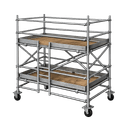
Temporary Structures
Covers scaffolding, fencing, and temporary buildings.

Soft Costs
Covers additional expenses from construction delays due to covered losses.

Equipment Coverage
Covers permanently installed fixtures and equipment.
What Makes New York Different
Concentrated property value is what changes the builders risk decision here. New York median household income is $79,713, and the local housing stock often supports higher-end renovation scopes, so owners and lenders may expect finishes, fixtures, and mechanical systems that push project values upward faster than the shell alone suggests. For you, that means the policy review should focus less on a generic form and more on whether the reported completed value truly captures cabinetry, stone, specialty glazing, elevators, HVAC components, and other items that may arrive in separate draws. A project can look modest on paper and still carry a large insured property exposure once materials are purchased. That is why quote accuracy matters more than speed. If your job includes owner-supplied items, phased occupancy, or a long lead-time procurement schedule, raise those points before binding so the carrier evaluates the real property at risk, not an oversimplified budget snapshot.
Our Recommendation for New York
Start with the construction schedule, not the application. In the city, underwriters usually need to understand when demolition ends, when structural work begins, when high-value materials arrive, and whether any part of the building remains occupied during the job. Ask for the covered property definition to be reviewed against your contract, especially if the owner is buying appliances, lighting, or finish materials directly. If your lender, condo board, landlord, or development partner has a financial interest, confirm the named insured and loss payee structure before the certificate request comes in. It is also smart to reconcile the hard cost budget with change orders and allowances before binding, then revisit limits if procurement expands mid-project. If materials will sit off-site or move in small deliveries, ask specifically how temporary storage and transit are handled. A free quote works best when you send plans, budget, timeline, site address, and contract roles together, because that gives the underwriter a file they can actually evaluate.
Get Builders Risk Insurance in New York
Enter your ZIP code to compare builders risk insurance rates from carriers in New York, NY.
Business insurance starting at $25/mo
FAQ
Frequently Asked Questions
New York City projects should usually bind before covered materials, equipment, or fixtures are delivered to the site. In a market with high property values, waiting until active construction begins can leave early-stage stored property and pre-installation exposures outside the policy period.
New York City projects often concentrate a lot of value at one address. With a median home value of $751,700, even a smaller renovation can involve expensive finishes and equipment, so the completed value should reflect the real build scope, not just rough labor numbers.
New York City renovations often involve owner-furnished appliances, lighting, stone, or millwork arriving on separate timelines. Those items should be discussed before binding so the covered property definition, valuation, and any temporary storage treatment match the way the project is actually supplied.
New York City submissions move more cleanly when you send plans, contract roles, budget, timeline, and delivery schedule together. That helps the underwriter review completed value, named insured structure, and whether transit or off-site storage should be addressed up front.
Brownstone renovations often need closer review of existing structure issues, occupied premises, and how materials move through constrained sites. Ask the quote to distinguish the new work from the preexisting building and to address transit or temporary storage if the site has limited room for stockpiling.
Construction lenders often set insurance requirements in the loan package, so review those documents before shopping. The practical step is to match the quote to the lender's required interests, project value, and policy term before the first draw closes.
Projects here commonly involve an owner, development entity, lender, and general contractor, but the contract decides whose interests must appear. Check whether each party needs insured status, loss payee treatment, or simple evidence of coverage before you finalize the policy.
Renovation work usually raises different underwriting questions than ground-up construction because existing structures, partial occupancy, and access constraints can change the exposure. Submit a clear project description so the quote addresses the actual job conditions rather than a generic build.
Sources
- 1.U.S. Census Bureau, ACS 5-Year Estimates, table B25077(New York median home value is $751,700)
- 2.U.S. Census Bureau, ACS 5-Year Estimates, table B19013(New York median household income is $79,713)
Updated July 5, 2026





