Updated July 5, 2026

Commercial Auto Insurance in New York
New York is a smaller local market than the statewide picture suggests, because many buyers here need a policy that can satisfy landlords, clients, and certificate requests quickly, not just meet baseline vehicle rules. If you are shopping for commercial auto insurance in New York, the practical question is how your vehicles move through borough streets, loading zones, garages, and curbside stops tied to real jobs each week. A florist making short runs in Brooklyn, a home health agency scheduling staff across neighborhoods, and a design firm sending employees to client meetings all present different driver lists, parking patterns, and hired or non-owned auto questions.
That local density changes underwriting conversations. You may need to show who parks where overnight, whether employees take vehicles home, how often you add temporary drivers, and whether your business depends on same-day service windows. The goal is not a generic fleet form. It is a policy built around your actual routes, vehicle use, and proof-of-insurance needs, so you can compare liability limits, physical damage deductibles, and any hired and non-owned auto exposure before you request a free quote.
Commercial Auto Insurance Risk Factors in New York
New York's top risk factors include Flooding, Hurricane damage, Coastal storm surge, and Wind damage. New York's crime index of 109 (national avg: 100) increases vehicle theft risk, comprehensive auto coverage is important here. Flooding can cause significant vehicle damage, make sure comprehensive coverage is included.
New York has a high climate risk rating. Top hazards: Hurricane (High), Flooding (High), Winter Storm (High), Severe Storm (Moderate). The state's expected annual loss from natural hazards is $3.8B, which influences commercial auto insurance premiums and may affect coverage availability in high-risk areas.
What Commercial Auto Insurance Covers
In New York, commercial auto insurance is built around several core protections. Liability, collision, and comprehensive form the foundation, while medical payments and uninsured motorist protection round out the standard structure. The right endorsements can extend that protection to hired and non-owned vehicle use. The state requires minimum liability for commercial vehicles, and all commercial vehicles must be registered with the New York DMV, so coverage and registration need to line up before a vehicle is put into service. If your routes include heavy traffic corridors, liability coverage matters that much more, because your policy may need to respond to bodily injury and property damage claims that can arise from a vehicle accident. Collision can help repair your covered vehicle after a crash, while comprehensive can help address damage from theft, vandalism, weather, or other non-collision events. In New York, that matters because hurricane, flooding, and winter storm exposure mean you are more likely to file a comprehensive claim, so choosing the right deductible becomes a real financial decision. Uninsured and underinsured motorist coverage may be required, which is relevant even in a state with a relatively low uninsured driver rate. Medical payments can help cover medical costs for you or your passengers after a crash, but exact limits and deductible choices vary by carrier. Coverage for rental vehicles, employee-owned vehicles, or short-term borrowed vehicles is not automatic. It typically depends on specific endorsements being added to the policy.
Coverage Included

Bodily Injury Liability
Covers injuries you cause to others in an accident

Property Damage Liability
Covers damage you cause to others' property
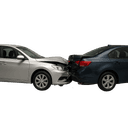
Collision Coverage
Pays for damage to your vehicle in an accident

Comprehensive Coverage
Covers theft, vandalism, weather, and animal damage

Medical Payments
Covers medical costs for your drivers and passengers

Uninsured Motorist
Protection when the other driver lacks insurance
Hired & Non-Owned Auto
Covers rented or employee-owned vehicles used for work
Commercial Auto Insurance Cost in New York
Average Cost in New York
$180 - $600
per month
Businesses in New York typically see commercial auto insurance premiums of $180 - $600 per month, which tends to run 42% above the national range of $140 - $410 per month.
- Fleet size and vehicle types
- Driver records and experience
- Coverage limits and deductibles
- Business industry and use
- Annual mileage and operating radius
- Claims history
Rates based on small business averages. Your actual premium may vary.
Prices shown are general estimates, not guaranteed rates or quotes. Your actual premium will depend on the insurer, coverage selected, business details, location, claims history, and other underwriting factors. Learn about our pricing methodology.
New York pricing is higher than the national average, which means commercial auto insurance cost in this state tends to reflect heavier claims pressure and a more expensive market. Fleet size and vehicle types matter, so a single company car in Manhattan will not price the same as a small fleet of delivery vans operating across suburban counties and upstate routes. Driver records and experience are also major factors, and New York's 2023 crash data shows 298,000 total crashes and an average claim cost of $15,912. When claims cost that much, a single at-fault accident on a driver's record can push your premium up significantly at renewal. Business use also affects pricing, since annual mileage, operating radius, claims history, coverage limits, and deductibles all influence the final premium. Weather risk is another New York-specific factor, because hurricanes, flooding, and winter storms can create comprehensive claims that are more common than in milder states. Because New York's market is dense and claims pressure is real, two quotes with the same monthly price can carry very different limits and endorsements. Always compare both.
Industries & Insurance Needs in New York
The county business mix around New York changes who should look closely at vehicle use, even when a company does not think of itself as transportation-heavy. In Kings County, there are 61,287 business establishments, so certificate requests, vendor agreements, and job-site access often move faster when your auto policy details are already organized. The same county is led by retail trade at 16.6%, health care and social assistance at 11.7%, and professional, scientific, and technical services at 10.6%, so a lot of local businesses use cars, vans, or employee vehicles in ways that blur the line between occasional driving and regular business use.
That matters when you review who is behind the wheel and why. Retail operations may have delivery or supply runs. Health care organizations may send staff to homes or facilities. Professional firms may rely on personal vehicles for client visits. If any of that sounds familiar, ask for a quote that separates owned vehicles from hired and non-owned auto exposure instead of assuming one form handles every trip.
What Makes New York Different
Density is the difference. Here, commercial auto decisions are shaped less by long highway mileage and more by frequent stops, shared vehicles, tight parking, and constant proof-of-coverage expectations tied to buildings, vendors, and client work. A single van can serve multiple crews in one week, and one employee sedan used for meetings can create a different exposure than a lettered delivery vehicle.
That changes what you should review first. Driver scheduling matters because multiple occasional drivers can complicate underwriting. Garaging matters because overnight street parking, private lots, and employee take-home arrangements are not the same risk profile. Vehicle class matters because a compact car for appointments, a cargo van with tools, and a refrigerated unit do not belong in the same conversation. The city layer is really about matching policy structure to how your vehicles are dispatched, parked, and documented day to day. Before you buy, map each vehicle to its actual use, usual drivers, and overnight location, then compare quotes on that basis.
Our Recommendation for New York
Start with a vehicle and driver schedule that is specific enough for an underwriter to follow without guessing. List each unit, who regularly drives it, whether it is ever taken home, where it is usually parked overnight, and whether it enters garages, loading docks, or customer properties. That one document often surfaces issues buyers miss, especially around permissive drivers and hired or non-owned auto exposure.
Next, separate your use cases. If one vehicle handles deliveries, another carries tools, and employees also use personal cars for meetings, ask to review those exposures distinctly instead of bundling everything into a vague description. If your contracts require certificates, confirm how quickly you can request updated proof and whether additional insured or contract-driven wording affects related policies. New York median household income is $79,713, so liability claims can become expensive quickly when an accident involves another driver, pedestrian, or property damage in a dense market. That is a good reason to compare higher liability limits, not just deductibles, before you choose a policy.
Get Commercial Auto Insurance in New York
Enter your ZIP code to compare commercial auto insurance rates from carriers in New York, NY.
Business insurance starting at $25/mo
FAQ
Frequently Asked Questions
New York City businesses often do, because even a small operation can have multiple drivers, curbside stops, garage access rules, and certificate requests. If a vehicle supports deliveries, client visits, or staff travel, review ownership, driver use, and hired or non-owned exposure carefully.
New York City buyers should start with vehicle type, regular drivers, overnight parking, and how often each unit makes stops. In the county containing the city, retail trade accounts for 16.6% of establishments, so delivery and supply-run exposure is common and worth describing clearly.
New York City firms may still need a review, because employee errands, client meetings, and site visits can create hired or non-owned auto exposure. If the business benefits from those trips, ask how personal vehicle use is treated before assuming a personal policy is enough.
Kings County has 61,287 business establishments, so many local companies face routine proof-of-insurance requests from landlords, vendors, and clients. That makes policy administration practical, not optional. Ask how certificates are handled before work starts or vehicles are added.
New York City buyers usually should compare both, but liability limits deserve close attention in a dense environment. With New York median household income at $79,713, claims involving injuries or property damage can escalate, so a low premium is not the only decision point.
For New York businesses, it can include liability, collision, comprehensive, medical payments, and uninsured motorist protection, plus hired auto or non-owned auto coverage when those endorsements are added.
New York requires minimum liability of $25,000/$50,000/$10,000 for commercial vehicles, and all commercial vehicles must be registered with the New York DMV.
The state-specific average premium range is $180 to $600 per month per vehicle, but your rate varies based on fleet size, vehicle type, driver records, mileage, limits, and claims history.
Sources
- 1.U.S. Census Bureau, County Business Patterns, Kings County(In Kings County, there are 61,287 business establishments, so certificate requests, vendor agreements, and job-site access often move faster when your auto policy details are already organized.; The same county is led by retail trade at 16.6%, health care and social assistance at 11.7%, and professional, scientific, and technical services at 10.6%, so a lot of local businesses use cars, vans, or employee vehicles in ways that blur the line between occasional driving and regular business use.)
- 2.U.S. Census Bureau, ACS 5-Year Estimates, table B19013(New York median household income is $79,713, so liability claims can become expensive quickly when an accident involves another driver, pedestrian, or property damage in a dense market.)
Updated July 5, 2026