Updated July 16, 2026

Dealer Open Lot Insurance in New York
An underwriter does not look at a city lot the way they look at a suburban rooftop. In a dense market, the review zeroes in on where vehicles sit overnight, how often you reposition them, and who has custody during a normal sales week. Carriers want to see your overnight parking patterns, key control, fencing, lighting, camera placement, and whether units ever wait at a second address before front-line display. Your quote often hinges on whether that storage and movement plan is documented well enough to underwrite. Before you request terms, map every place inventory can sit, note who moves vehicles between those locations, and separate customer parking from dealer inventory areas if they touch the same entrance or curb line.
Dealer Open Lot Insurance Risk Factors in New York
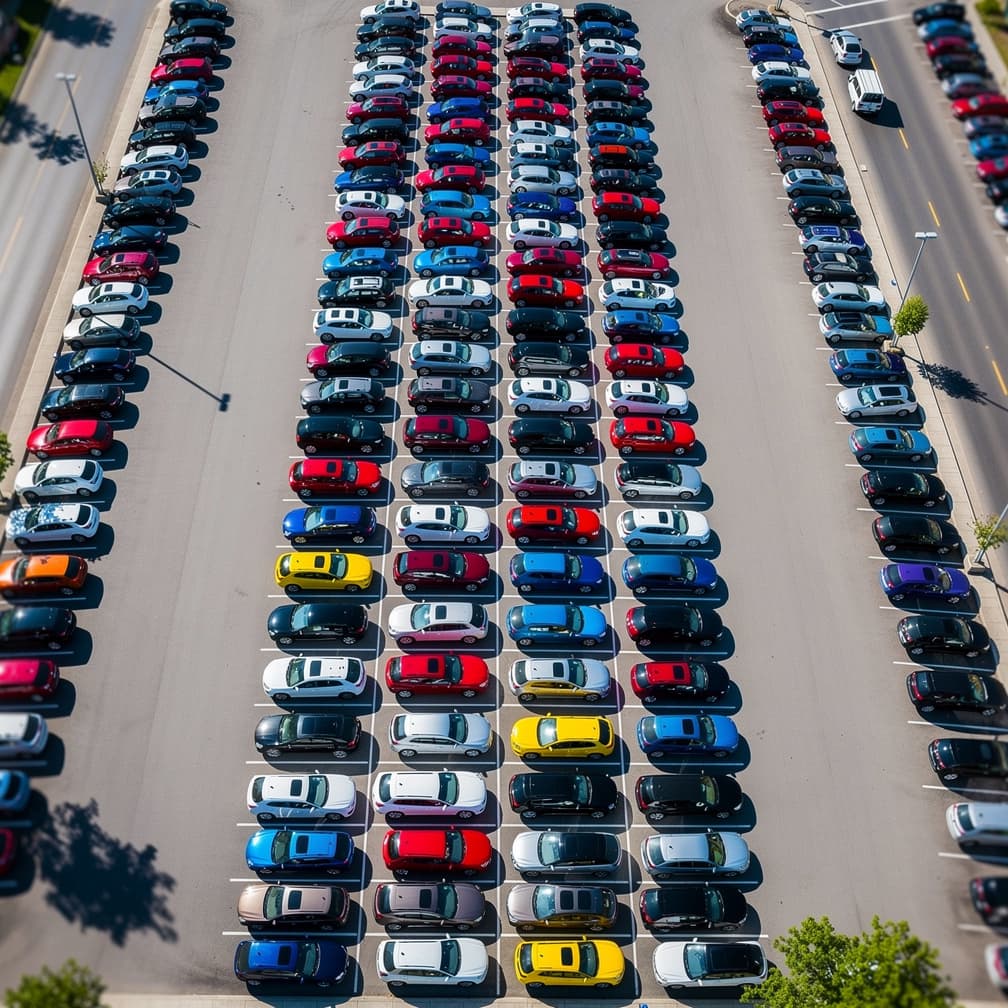
New York City lot exposure often turns on **concentration and movement**. If your inventory is stacked into a smaller footprint, a single incident can involve multiple units, so underwriters usually look closely at spacing, barriers, gate routines, and whether vehicles are ever left where public access is harder to control. The local weather conversation also needs a practical review because state hazard patterns can affect outdoor inventory here, even though the exact exposure depends on your borough, drainage, elevation, and how your lot handles runoff after heavy rain. That means a buyer should not stop at naming the address. Show how water moves across the property, where the lowest storage points are, whether any vehicles sit near basement ramps or loading areas, and what your **relocation plan** is when severe weather is forecast. If you use overflow or service-adjacent parking, document that too, because the physical layout can change the loss scenario more than the number of units alone.
New York has a high climate risk rating. Top hazards: Hurricane (High), Flooding (High), Winter Storm (High), Severe Storm (Moderate). The state's expected annual loss from natural hazards is $3.8B, which influences dealer open lot insurance premiums and may affect coverage availability in high-risk areas.
What Dealer Open Lot Insurance Covers
The useful coverage review is usually less about the label on the policy and more about where your inventory is exposed between acquisition and sale. A dealer with a single fenced suburban lot presents one kind of risk. A dealer using a frontage lot, a nearby parking structure, and an offsite overflow location presents another. That difference matters because a meaningful share of claim disputes start with a mismatch between where a unit was stored, who had custody, and whether the vehicle was being moved in a way the policy contemplates. A vehicle damaged at an unscheduled overflow lot, or while an employee was driving it to a reconditioning shop the carrier never heard about, can turn into a coverage argument even when the damage itself is clearly within the policy scope.
Your review should focus on the parts of the operation that change the loss picture. Start with how vehicles are parked overnight, whether high-value units are separated, how keys are controlled, and whether any inventory is left at service, detail, auction, or transport locations. Then check how the policy treats temporary off-premises storage, internal transfers between addresses, and vehicles being repositioned for cleaning, fueling, photography, or customer appointments. Those are ordinary dealership activities, but they still need to match the way the coverage is written.
State conditions also make weather planning part of the coverage conversation. If your lot layout leaves inventory exposed to wind-driven events, standing water, falling debris, or snow-load related property damage around storage structures, ask how those scenarios are handled and what documentation helps support a claim. If you keep units near dense commercial corridors, theft and vandalism controls deserve the same level of attention. Ask for wording to be reviewed against your actual storage map, not a simplified description from an application.
Coverage Included

Weather Damage
Covers hail, wind, flood, and storm damage to lot inventory.

Theft Protection
Covers vehicles stolen from your lot.

Fire Damage
Covers fire and explosion damage to inventory vehicles.

Vandalism
Covers intentional damage to vehicles on your lot.
Test Drive Coverage
Covers vehicles during customer and employee test drives.

Transit Coverage
Covers vehicles being moved between lot locations.
What Makes New York Different
Compressed space and frequent vehicle repositioning shift the underwriting focus in a city setting. Because your inventory has more touchpoints with the public, a clean schedule of locations becomes essential. Shared commercial corridors and neighboring operations are common enough that access control and premises boundaries deserve extra attention before binding coverage. If your lot sits near other active businesses, spell out where dealer inventory begins and ends, who can enter after hours, and whether any third party uses the same driveway, gate, or loading area. Show the underwriter that your storage pattern is stable, your controls are repeatable, and your address list matches how vehicles actually move during the week.
Our Recommendation for New York
Start with a site diagram, not just an application. Mark every display row, overnight storage area, curb cut, gate, camera, and any secondary address where units can wait before sale. If your operation uses attendants, porters, or a service team to move vehicles, describe that workflow in plain language so the carrier can evaluate custody and access without guessing. It also helps to separate your sales exposure from your neighborhood economics. New York median household income is $79,713, which means local buyers may have the budget for pricier vehicles. That matters because higher-value stock sitting outdoors can drive up your maximum foreseeable loss, so your limits deserve a closer look. Keep your reporting method aligned with actual inventory swings, and clarify how temporary off-site storage should be scheduled before you depend on it. When a landlord or lender wants proof quickly, a prepared package with your address schedule, security details, and maximum unit values can shorten the turnaround time.
Get Dealer Open Lot Insurance in New York
Enter your ZIP code to compare dealer open lot insurance rates from carriers in New York, NY.
Business insurance starting at $25/mo
FAQ
Frequently Asked Questions
Underwriters here often need more than a rooftop address because vehicle movement between display, storage, and overflow areas can change the exposure. Have a full address schedule, maximum unit values, overnight parking plan, and security details ready so the carrier can evaluate your full footprint without follow-up questions.
A smaller footprint can concentrate more vehicles into one area, so your layout and after-hours controls may matter as much as inventory count. That is why spacing, barriers, lighting, and public access get scrutinized more closely on urban lots.
Many properties in Kings County operate near other active businesses and shared access points. Documenting lot boundaries, gate control, and any shared driveway or loading arrangement before binding coverage can help you avoid disputes over who is responsible for what.
Reviewing limits against actual unit values, not just vehicle count, is a practical step for any dealer carrying pricier stock. With median household income at $79,713, local demand may support higher-value inventory, which means a single overnight loss could cost you more than your policy allows if the cap is too low.
New York City policies are regulated at the state level by the **New York State Department of Financial Services**. If a form, filing, or complaint question comes up, keeping your policy documents and correspondence organized gives you a clear paper trail when you escalate the issue.
New York dealers often do if inventory is stored at more than one address. The key issue is making sure each location where vehicles spend time is disclosed and reviewed, especially when overflow, garage, or reconditioning storage changes during the year. That question naturally leads into how your lease itself shapes the coverage you need.
New York lot leases can shape what proof of coverage you need before operations begin. Review lease insurance language early, then compare it against listed locations, deductibles, and how your inventory is stored overnight. Lease requirements also intersect with state regulation, which is worth understanding before you bind.
New York dealer insurance is regulated by the New York State Department of Financial Services, so your policy documents, claim handling questions, and complaint process should be reviewed with that oversight in mind when you buy or renew coverage. Knowing the regulatory framework helps when you ask about specific storage situations, like overflow lots.
Sources
- 1.U.S. Census Bureau, County Business Patterns, Kings County(The county containing New York has 61,287 business establishments.)
- 2.U.S. Census Bureau, ACS 5-Year Estimates, table B19013(New York median household income is $79,713.)
- 3.New York State Department of Financial Services(New York City policies are regulated at the state level by the New York State Department of Financial Services.)
Updated July 16, 2026