







































Updated July 16, 2026

Commercial Truck Insurance in Rochester
If you need commercial truck insurance in Rochester, the local decision is shaped less by the state average and more by how your trucks operate around the city's flood-prone corridors, busy retail zones, and weather-exposed routes. Rochester's 26% flood-zone share means more than a quarter of the city could face water damage during a storm, so where you park matters. The area also has moderate disaster frequency, which means a serious weather event is a realistic possibility rather than a remote one. Flooding and wind damage can change how you think about protecting your equipment, your freight, and any non-owned trailers you pull. The area saw 4,978 annual crashes in 2023, which means your drivers are navigating real collision risks every single day. Common causes like failure to yield, distracted driving, and weather conditions tend to vary by route, so the risk picture depends heavily on where your trucks actually run. That matters for local haulers, regional delivery trucks, and owner-operators who move through loading docks, warehouse areas, and higher-traffic commercial streets. Rochester also has a cost-of-living index of 137, so repair bills and labor rates run noticeably higher than the national average and can strain your budget after a loss. Your policy should match how your truck is dispatched, where it is garaged, and whether it ever runs without a load.
Commercial Truck Insurance Risk Factors in Rochester
Rochester’s risk profile pushes trucking coverage decisions in a few practical ways. With 26% of the city in a flood zone, water exposure can affect where you park tractors, trailers, and loaded equipment, especially if your route or yard is near low-lying areas. The city’s moderate natural disaster frequency and top risks, flooding, hurricane damage, coastal storm surge, and wind damage, make physical damage coverage for trucks and cargo insurance for trucks especially relevant when freight or equipment could be delayed or damaged by weather. Local crash data adds another layer: **4,978 annual crashes in 2023**, with failure to yield, distracted driving, drowsy driving, and weather conditions leading the list. Those patterns matter for stop-and-go urban driving, dock approaches, and short-haul routes where quick lane changes and tight turns are common. For trucking businesses that interchange trailers or run without a dispatched load, those same conditions can also affect bobtail coverage and trailer interchange decisions.
New York has a high climate risk rating. Top hazards: Hurricane (High), Flooding (High), Winter Storm (High), Severe Storm (Moderate). The state's expected annual loss from natural hazards is $3.8B, which influences commercial truck insurance premiums and may affect coverage availability in high-risk areas.
What Commercial Truck Insurance Covers
Your policy is built around the way your truck actually operates, not just the vehicle itself. For freight haulers, the core protection usually starts with motor carrier liability coverage, which addresses third-party injury or property damage exposures tied to trucking operations. New York's commercial auto minimums are listed at the state minimum split limits, but many trucking risks require higher limits because federal freight minimums and shipper expectations can exceed basic state auto requirements. Your policy may also include physical damage coverage, which can help with repair or replacement after collision or other covered damage, and cargo insurance, which may apply to goods in transit rather than the tractor alone. Trailer interchange is relevant if you use non-owned trailers under an interchange agreement, and bobtail or non-trucking liability may matter when a truck is being driven without a dispatch load. Coverage terms vary by carrier, endorsements, deductibles, and freight type, so a policy for a refrigerated route out of Albany may look different from one for a flatbed operation serving Long Island or Western New York.
Coverage Included

Motor Carrier Liability
Can help cover injuries and property damage your truck causes to others, a coverage federal regulators require most for-hire carriers to maintain.
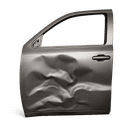
Physical Damage
Can help pay to repair or replace your own truck after an accident, fire, theft, or vandalism.
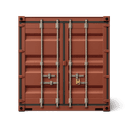
Cargo Coverage
May pay for damage to or theft of the freight you are hauling while it is in your care.
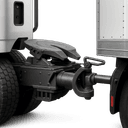
Trailer Interchange
Can help cover damage to trailers you haul under an interchange agreement but do not own.

Bobtail Coverage
May provide liability protection when you drive your tractor without a trailer attached, such as after dropping off a load.

Non-Trucking Liability
Can help cover accidents that happen when you use your truck for personal errands rather than dispatched work.
Commercial Truck Insurance Cost in Rochester
Average Cost in New York
$550 - $1,700
per month
Businesses in New York typically see commercial truck insurance premiums of $550 - $1,700 per month, which tends to run 48% above the national range of $400 - $1,125 per month.
- Radius of operation
- Commodities hauled and cargo value
- Number and value of power units
- Driver motor vehicle records and CDL experience
- DOT safety record, inspections, and FMCSA scores
- Liability limits and physical damage deductibles
Contact CPK Insurance for a personalized quote.
Prices shown are general estimates, not guaranteed rates or quotes. Your actual premium will depend on the insurer, coverage selected, business details, location, claims history, and other underwriting factors. Learn about our pricing methodology.
For New York trucking risks, cost depends on your coverage limits, deductibles, claims history, location, risk profile, and policy endorsements. That higher pricing environment reflects several New York factors including dense traffic in the downstate corridor, elevated theft and motor vehicle theft activity, a high overall crime index, and weather exposure from hurricanes, flooding, and winter storms. New York recorded 298,000 crashes in 2023, which means carriers scrutinize your loss history and vehicle use closely when setting your rate. The average claim cost of $15,912 means a single at-fault incident can drive up your renewal premium significantly, making it critical to report and manage claims carefully. Freight type matters too, because cargo coverage, trailer interchange, or higher-limit liability can all move the premium. The quote you receive can change materially depending on whether you run one tractor, a small fleet, or a mixed local-haul operation.
What Makes Rochester Different
The single biggest difference in Rochester is the combination of flood exposure and urban crash frequency. A city where 26% of the area sits in a flood zone, and where annual crashes reached 4,978 in 2023, creates a very different insurance calculation than a place with only one of those risks. For trucking businesses, that means the policy conversation is not just about meeting local requirements. It is about whether your truck, trailer, and cargo can withstand weather-related disruptions and city-driving losses without creating major out-of-pocket costs. That is especially important for businesses that park near vulnerable areas, move freight through dense commercial corridors, or rely on fast turnaround times. The right coverage structure grows out of your actual parking situation, your delivery cadence, and the real weather and collision exposure your routes create.
Our Recommendation for Rochester
For Rochester buyers, it can help to start with the route and parking pattern before you choose limits. If your truck sits in a flood-prone area or near a location with higher weather exposure, you may want to ask how that affects physical damage coverage and cargo insurance for your operation. If your work includes city deliveries, frequent dock work, or tight turns in traffic, consider reviewing your truck liability insurance alongside collision-related exposure and deductible choices. If you interchange trailers or occasionally drive without a dispatched load, it may be worth confirming whether bobtail coverage or non-trucking liability insurance fits your use. When you request a commercial truck insurance quote in Rochester, it can help to provide garaging addresses, freight details, and whether the truck serves retail, healthcare, or service accounts, because those details can change how carriers view your risk.
Get Commercial Truck Insurance in Rochester
Enter your ZIP code to compare commercial truck insurance rates from carriers in Rochester, NY.
Business insurance starting at $25/mo
FAQ
Frequently Asked Questions
They should match the policy to local flood exposure, city crash patterns, and the type of freight hauled. In Rochester, that often means reviewing motor carrier liability, physical damage coverage, cargo insurance, and trailer interchange if non-owned trailers are used.
With 26% of the city in a flood zone, parking location and route selection can matter. That makes physical damage coverage and cargo coverage more important to evaluate if your equipment or freight could be exposed to water or storm-related disruption.
Rochester recorded 4,978 crashes in 2023, and common causes included failure to yield, distracted driving, drowsy driving, and weather conditions. Those patterns can influence collision exposure and how you think about deductibles and liability limits.
Local sectors like healthcare, retail, professional services, finance, and food service all create freight and delivery needs that can depend on reliable trucking coverage.
In New York, a trucking policy can be built around motor carrier liability, physical damage, cargo coverage, trailer interchange, bobtail coverage, and non-trucking liability, depending on how your truck is used.
New York commercial auto minimums are listed as $25,000/$50,000/$10,000, but trucking operations may need higher liability limits because freight contracts and federal requirements can go beyond that baseline.
The average premium range is $550 to $1,700 per month per truck, and your final price depends on limits, deductibles, claims history, location, risk profile, and endorsements.
Yes, if you haul freight, because truck liability insurance addresses third-party damage exposure while cargo coverage may help protect the goods you transport.
Updated July 16, 2026





