







































Updated July 16, 2026

Inland Marine Insurance in Rochester
Property managers, lenders, venues, and general contractors here often want proof that the equipment, materials, or customer property you move off your main address is insured before they hand over keys, approve a draw, or let work start. For many local businesses, this coverage is less about theory and more about producing a clean certificate that matches how property actually travels. Your gear moves between job sites, client locations, and temporary storage throughout the work week. Monroe County has 17,449 business establishments, so you are likely to encounter new contract partners who each require their own documentation before granting access or approving work. If your work involves loading, unloading, or property that spends part of the week away from your shop, a quote should address those specific transit and jobsite realities.
Inland Marine Insurance Risk Factors in Rochester
Rochester's top risk factors include Flooding, Hurricane damage, Coastal storm surge, and Wind damage.
New York has a high climate risk rating. Top hazards: Hurricane (High), Flooding (High), Winter Storm (High), Severe Storm (Moderate). The state's expected annual loss from natural hazards is $3.8B, which influences inland marine insurance premiums and may affect coverage availability in high-risk areas.
What Inland Marine Insurance Covers
In New York, this coverage is designed for business property that does not stay in one fixed place, including tools, equipment, materials, and goods moving between locations or stored at job sites and temporary spaces. The core protection follows the property rather than the building, which is important in a state where work may shift from a Brooklyn site to an Albany project or from a warehouse to a client location. Coverage is commonly built around several related protections, including coverage for tools, goods in transit, contractors equipment, installation floaters, and builders risk. You should compare endorsements carefully because policy terms can differ by carrier, by industry, and by the type of property being moved or installed.
The state is regulated by the New York State Department of Financial Services, so policy forms and underwriting practices are shaped by that oversight, but actual coverage limits, deductibles, and exclusions still vary by insurer and by risk. A policy may cover property at a temporary job site or in transit, yet the exact treatment of unattended storage, off-premises staging, or installation work depends on the wording of the contract. Since New York's hurricane and flooding exposure can affect loss patterns, some carriers may scrutinize where equipment is parked, stored, or transported, especially near coastal or low-lying areas. The practical takeaway is that your policy should be matched to where your property really goes, not just where your office is located.
Coverage Included
Tools & Equipment
Can help repair or replace hand tools, power tools, and gear that are stolen or damaged on the job or in transit.

Goods in Transit
May cover products, materials, and merchandise while they are being shipped or hauled between locations in your care.
Contractors Equipment
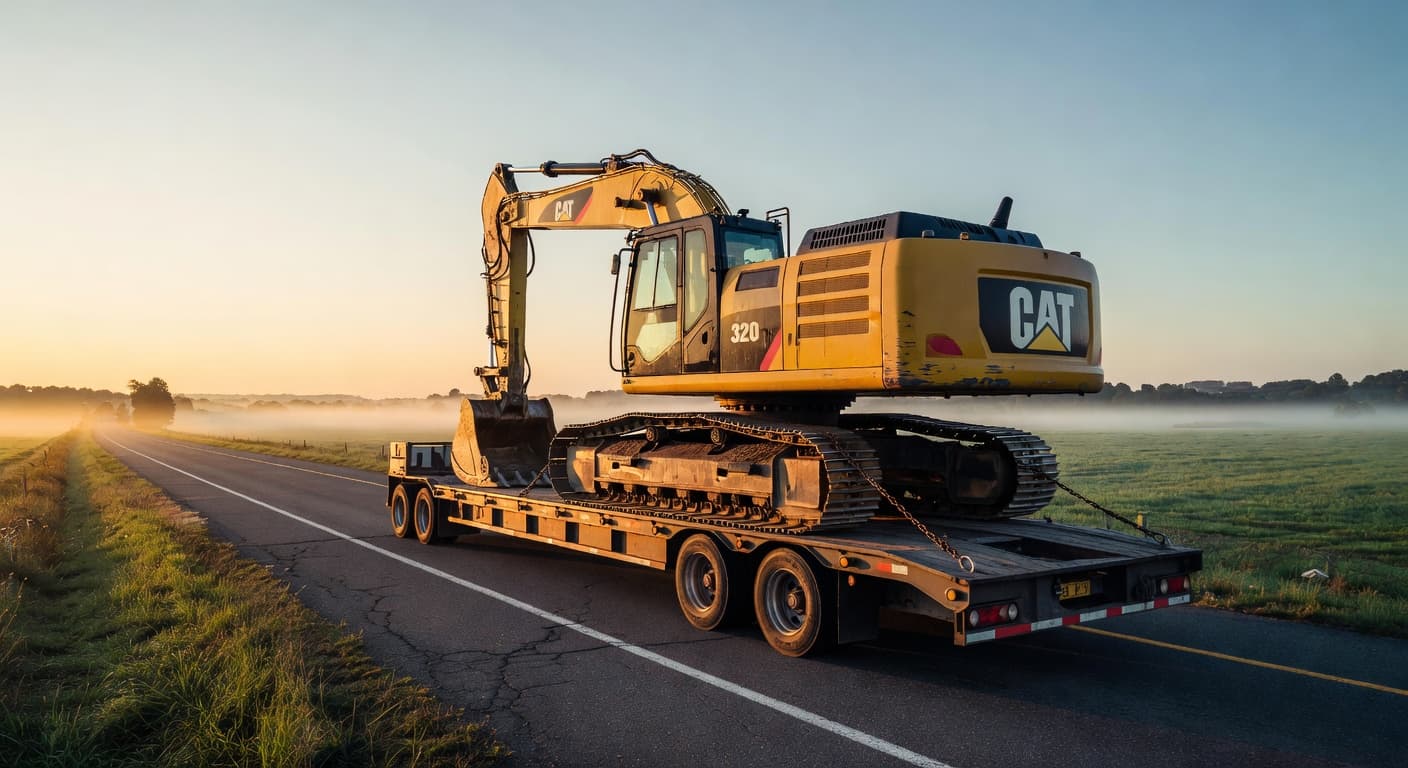
Typically covers heavy machinery like excavators, loaders, and generators against theft or damage at job sites and between them.

Installation Floater
Can help cover materials and fixtures from the moment you buy them until they are installed and accepted at a project.

Builders Risk
May cover a structure under construction, along with materials on site, against damage from fire, wind, theft, and vandalism.
Inland Marine Insurance Cost in Rochester
Average Cost in New York
$30 - $170
per month
Businesses in New York typically see inland marine insurance premiums of $30 - $170 per month, which tends to run 67% above the national range of $20 - $100 per month.
- Total insured value of the scheduled property
- Type and age of the equipment
- Where it is stored and how far it travels
- Jobsite security and theft prevention
- Per-item limits and deductibles
- Prior theft and in-transit losses
Contact CPK Insurance for a personalized quote.
Prices shown are general estimates, not guaranteed rates or quotes. Your actual premium will depend on the insurer, coverage selected, business details, location, claims history, and other underwriting factors. Learn about our pricing methodology.
Pricing for this coverage in New York typically starts at $30 to $170 per month, reflecting that the state runs above national averages due to higher weather exposure and a premium index of 138. Hurricane risk is especially relevant here, and the state's high flooding and winter-storm risk can increase the chance that goods, tools, or equipment are exposed while being moved or stored temporarily. Underwriters also look at coverage limits and deductibles, claims history, location, industry or risk profile, and policy endorsements.
A contractor moving expensive gear through New York City, Long Island, or other weather-exposed areas may see different pricing than a business with lighter, less mobile property. The state's large small-business base means carriers often rate against very different operations, from retail delivery support to field service work, and that variation can affect your quote. Your premium may move up if you insure higher-value tools, cover more job sites, add installation floater coverage, or need broader goods in transit coverage. It may move down if your property values are modest, your storage and transport practices are controlled, and your deductible is higher. The final cost is often as much about carrier appetite as it is about the property itself.
Industries & Insurance Needs in Rochester
Monroe County's business mix changes who tends to need this coverage and how schedules should be built. Retail trade holds 12.7% of county establishments, health care and social assistance 11.3%, and professional, scientific, and technical services 10.7%, so a local inland marine review often reaches beyond contractors. Retail operators may move display fixtures, seasonal inventory, or point of sale equipment between locations or events. Health care and social assistance businesses may transport mobile equipment or client property. Professional and technical firms may carry specialized instruments, cameras, testing devices, or leased electronics to field visits and temporary sites. The practical takeaway is to quote the property you actually move, not just the property you own at your main address. Ask whether your form is better structured around contractors equipment, installation floaters, equipment floaters, or another inland marine approach that matches your daily handling of property.
What Makes Rochester Different
Contract requirements often drive the buying calculus here. In a market tied into property management, health services, retail operations, and project-based professional work, these decisions usually start with a contract, site access rule, or lender requirement rather than a recent loss. The proof you provide needs to match the property others expect you to insure. Rochester's median household income is $46,628, meaning your customers and tenants have thin margins for price increases. Delays tied to damaged tools, missing materials, or uninsured mobile equipment can hit cash flow quickly. If replacing a key item out of pocket would slow payroll, force a rental, or push back a promised completion date, that is a clear sign to review limits, deductibles, and any item that should be specifically scheduled.
Our Recommendation for Rochester
Start with the property list, not the premium. Group your items by category, because each type of property can call for different treatment on your quote. Then compare that list against your actual movement pattern. Transport methods, temporary site storage, overnight stays, and subcontractor handoffs each carry different risks. If a property manager or lender asks for proof, check that the certificate request lines up with the form you are buying and does not assume broader protection than your policy terms provide. A single stolen scanner, camera package, or pallet of materials can force you to borrow, delay a project, or miss a contract milestone. Bring your contracts, equipment schedule, and any lease requirements into the quote request so the review stays practical.
Get Inland Marine Insurance in Rochester
Enter your ZIP code to compare inland marine insurance rates from carriers in Rochester, NY.
Business insurance starting at $25/mo
FAQ
Frequently Asked Questions
Buyers often run into proof requests from property managers, lenders, venues, and general contractors before access or work begins. Each new relationship can bring its own documentation requirements during bidding and onboarding.
Start with property that regularly leaves the main address, including tools, leased equipment, installation materials, and customer property in your care. Match the schedule to how items actually move and get used on site.
Retail trade is 12.7% of establishments, health care and social assistance 11.3%, and professional, scientific, and technical services 10.7%. Those sectors tend to rely on mobile inventory, instruments, and specialized equipment, not just contractor tools.
Test the deductible against cash flow. A deductible should be high enough to manage premium but not so high that one equipment loss stalls work.
Buyers usually do not need to raise the regulator unless a policy or complaint issue comes up. If it does, New York insurance oversight runs through the New York State Department of Financial Services, but your first step is still a careful review of forms and endorsements.
In New York, it is commonly used for tools and equipment insurance when property travels to job sites, customer locations, or temporary storage instead of staying at one fixed address. Your policy may cover specific items like hand tools, power equipment, or materials, but exclusions for wear and tear or unattended vehicles can vary, so read the contract before binding.
This protection generally applies to business property transported over land between locations in New York, such as from a warehouse to a site or from one job to another. Because loading, unloading, and temporary stops are handled differently across policies, review those specifics with your provider before committing.
If your equipment is regularly left on job sites, contractors equipment insurance may be the part of inland marine coverage that fits that exposure. Ask the insurer whether unattended site storage and temporary fencing or locking arrangements affect the quote.
Sources
- 1.U.S. Census Bureau, County Business Patterns, Monroe County(Monroe County has 17,449 business establishments, so more landlords, customers, and upstream contractors may ask for documentation before they trust your operation with access, inventory, or a schedule commitment.; Monroe County's leading sectors are retail trade 12.7%, health care and social assistance 11.3%, and professional, scientific, and technical services 10.7%, so inland marine reviews often need to account for mobile inventory, instruments, and specialized equipment beyond contractor tools.)
- 2.U.S. Census Bureau, ACS 5-Year Estimates, table B19013(Rochester's median household income is $46,628, so delays tied to damaged tools, missing materials, or uninsured mobile equipment can strain cash flow for cost-sensitive buyers.)
- 3.New York State Department of Financial Services(New York insurance oversight runs through the New York State Department of Financial Services.)
Updated July 16, 2026





