







































Updated July 5, 2026

On-Hook Towing Insurance in Rochester
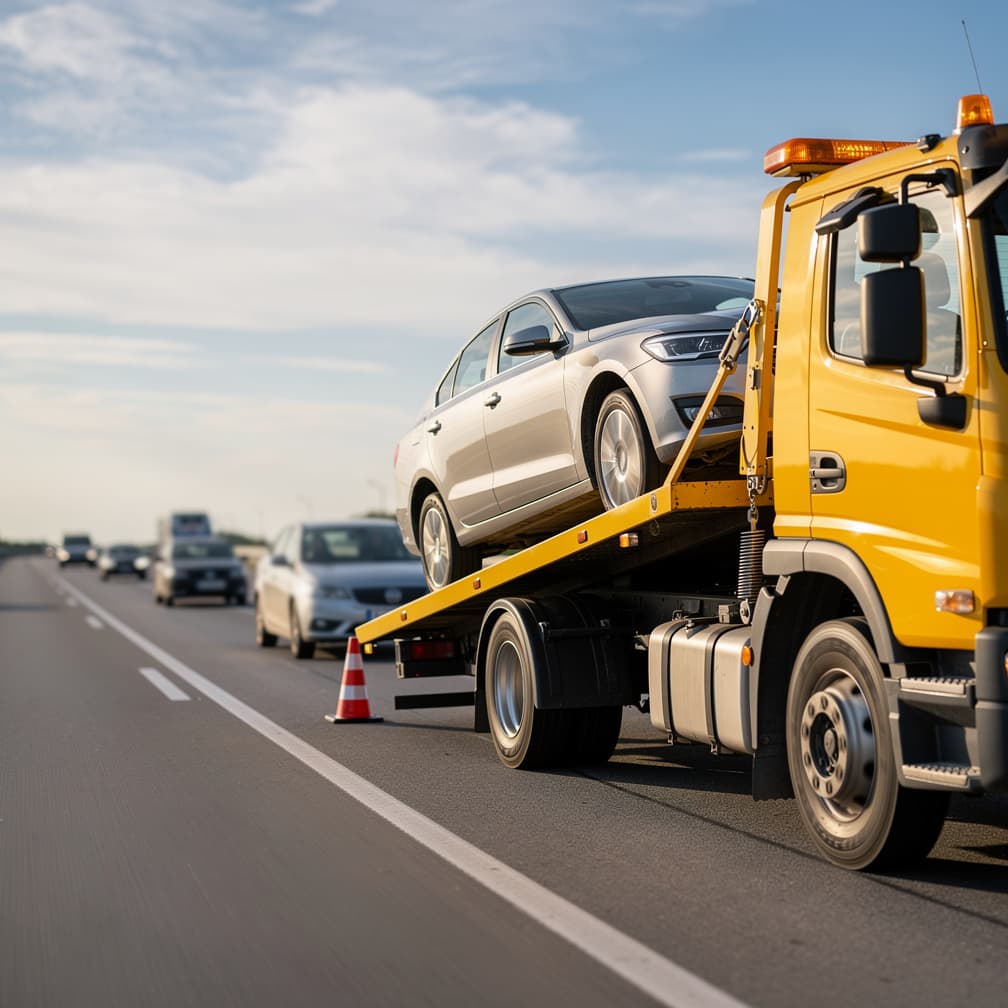
A disabled sedan comes up on your wheel lift after a retail parking lot call, then the owner points out prior bumper damage at drop-off and disputes what happened while the car was in your custody. That is the local loss scenario on-hook towing insurance in Rochester is built around: short urban tows, frequent handoffs, and customers who may be price-sensitive when a repair bill lands. Rochester median household income is $46,628, so even a modest damage dispute can escalate quickly and put more pressure on your documentation, photos, and release process. Here, many calls are not long interstate recoveries. They are parking lot removals, apartment-complex pickups, shop-to-shop transfers, and breakdowns that start and end within a compact service area. That changes what you should show on an application. Your quote request should spell out how drivers inspect vehicles before hookup, where they note pre-existing damage, whether they use timestamped photos, and how they handle keys, storage, and final handoff. If your operation mixes private-property work with repair-facility deliveries, ask for terms that fit those custody changes instead of assuming a generic towing submission tells the whole story.
On-Hook Towing Insurance Risk Factors in Rochester
The local risk is **turnover, not distance**. A tow company here often handles more short moves with more touchpoints per day, which means more chances for a disagreement about when damage happened, who had the keys, or whether a vehicle was properly documented before transport. That matters because on-hook claims often get harder to defend when the loss file starts with incomplete intake notes. Customers may scrutinize even smaller repair costs and push back harder if they think your truck caused them. Review whether your process captures all sides of the vehicle before hookup, notes ride height or existing body damage, and records who accepts the vehicle at drop-off. If you tow from retail centers, multifamily properties, or repair shops, separate those workflows on your application. The more clearly you describe custody changes and documentation habits, the easier it is for an underwriter to evaluate the exposure you actually run.
New York has a high climate risk rating. Top hazards: Hurricane (High), Flooding (High), Winter Storm (High), Severe Storm (Moderate). The state's expected annual loss from natural hazards is $3.8B, which influences on-hook towing insurance premiums and may affect coverage availability in high-risk areas.
What On-Hook Towing Insurance Covers
On-hook towing insurance can help pay for damage to a customer's vehicle while it is attached to your tow truck and in your custody for transport. In New York, the most useful review is a close look at where that exposure changes during the workday. A truck assigned to apartment-complex impounds, municipal rotation calls, and narrow-street breakdowns can create a different claim pattern than a flatbed moving disabled vehicles between repair shops or auctions. If your drivers regularly work in parking garages, under low-clearance structures, or on crowded commercial blocks, ask the agent to walk through how loading, securing, bed angle, wheel-lift use, and unloading are described in the policy language.
You should also match the coverage discussion to the kinds of vehicles you actually tow. Luxury vehicles, electric vehicles, lowered cars, commercial vans, and all-wheel-drive units can each change how a loss develops and how expensive it becomes. In practice, that means your quote should reflect whether you use dollies, skates, soft straps, specialty tie-downs, or other equipment that reduces the chance of damage during hookup and transport.
Snow, ice, heavy rain, and flood-prone streets can turn a routine tow into a winching or recovery situation, and that can affect how you describe your operation to underwriting. If part of your book includes police impounds, private property removals, or post-accident recovery, ask for a line-by-line review of where on-hook ends and where other towing-related coverages may need to be considered so there are fewer surprises after a loss.
Coverage Included

Collision on Hook
Covers damage to towed vehicles from collisions during transport.

Comprehensive on Hook
Covers theft, fire, and weather damage to vehicles being towed.
Loading & Unloading
Covers damage during the process of loading and unloading vehicles.
Winching Coverage
Covers damage to vehicles during winching and recovery operations.

Multiple Vehicle
Covers all vehicles on multi-car carriers and rollback flatbeds.
Industries & Insurance Needs in Rochester
Monroe County has 17,449 business establishments, with retail trade at 12.7%, health care and social assistance at 11.3%, and professional, scientific, and technical services at 10.7%. For a towing company, that mix matters because it points to the kinds of vehicles you are more likely to handle: customer cars in retail lots, employee vehicles around medical offices and care facilities, and privately owned vehicles tied to office and service locations. Those are often routine, lower-speed tows, but they can produce frequent custody transfers and owner disputes if intake and release procedures are loose. If your book includes property-management accounts, retail removals, or shop deliveries, say so clearly in your submission. An underwriter needs to know whether your on-hook exposure is built around private-passenger vehicles, recurring commercial accounts, or a blend of both. That detail can matter more than a generic description like light-duty towing.
What Makes Rochester Different
The key difference is claim friction on everyday tows. Here, the exposure is less about unusually long transport and more about how often your drivers take custody of ordinary passenger vehicles in parking lots, apartment complexes, medical corridors, and neighborhood commercial areas. A local towing route can involve constant movement between private properties, repair facilities, and business accounts rather than a small number of long hauls. That creates a practical underwriting issue: each extra handoff is another point where condition, keys, authorization, and release details need to line up. If your operation relies on repeat calls from retail centers or property managers, your on-hook review should focus on intake discipline, photo standards, and how consistently drivers document pre-existing damage before the vehicle leaves the ground. In this market, a clean procedure can matter as much as the truck schedule because it helps separate a real towing loss from a dispute that starts after delivery.
Our Recommendation for Rochester
Start your quote request with your actual call mix. Break out private-property impounds, customer-requested tows, repair-facility transfers, and any account work tied to retail or multifamily locations. Then show how your drivers document condition before hookup and at release. If you use photos, note whether they are timestamped and where they are stored. If different shifts handle pickup and drop-off, explain that chain clearly. You should also review whether your current terms fit the vehicles you move most often. A book dominated by short local passenger-vehicle tows can present a different on-hook profile than one built around longer-distance recoveries or heavier units. If your service area includes dense commercial strips and recurring property accounts, ask an agent to review how your application describes authorization, key control, and storage transitions. Those details help an underwriter price the exposure you actually run, and they give you a stronger record if a damage allegation shows up after delivery.
Get On-Hook Towing Insurance in Rochester
Enter your ZIP code to compare on-hook towing insurance rates from carriers in Rochester, NY.
Business insurance starting at $25/mo
FAQ
Frequently Asked Questions
Rochester towing companies should highlight call mix, photo documentation, pre-tow inspections, and release procedures. With many routine local tows, underwriters need to see how your drivers record pre-existing damage and custody changes, not just how many trucks you run.
Rochester does, because median household income is $46,628. That can make owners more likely to dispute even moderate repair costs, so your quote should show strong intake photos, condition notes, and signed or otherwise documented handoffs.
Monroe County matters because retail, health care, and professional services make up a meaningful share of local establishments. That often means more parking lot, office-area, and facility-related tows, so your application should describe those recurring account types clearly.
Rochester tow operators usually should separate them. Retail removals, apartment pickups, and repair-shop transfers can involve different authorization paths and handoff patterns, which helps an underwriter understand where a damage dispute is most likely to start.
Rochester buyers can raise policy or licensing questions with the New York State Department of Financial Services, but your purchase decision usually turns on operations first. Focus on documenting custody, vehicle condition, and account type before you compare terms.
New York insurance is regulated by the New York State Department of Financial Services, so your application details, business name, and supporting documents should stay consistent from quote to binding.
New York operations often see different underwriting questions based on where trucks run. City work can involve tighter loading conditions and more disputed damage, while upstate routes may raise more questions about distance, weather, and recovery frequency.
New York tow companies should list impounds and rotation work separately from routine roadside towing whenever possible. That gives the underwriter a clearer picture of scene conditions and documentation practices.
Sources
- 1.U.S. Census Bureau, ACS 5-Year Estimates, table B19013(Rochester median household income is $46,628.)
- 2.U.S. Census Bureau, County Business Patterns, Monroe County(Monroe County has 17,449 business establishments.; Monroe County's leading business sectors by establishment share are retail trade 12.7%, health care and social assistance 11.3%, and professional, scientific, and technical services 10.7%.)
- 3.New York State Department of Financial Services(New York's insurance regulator is the New York State Department of Financial Services.)
Updated July 5, 2026





