








































Updated July 16, 2026

Builders Risk Insurance in Syracuse
The decision usually lands right after a purchase contract is signed, a rehab budget is approved, or a lender asks for evidence of coverage before releasing funds. Builders risk insurance in Syracuse tends to come up on projects where the property value, renovation scope, and carrying costs have to stay aligned from day one. That matters here because the city's median home value is $125,100. In practical terms, a modest residential rebuild can tie up a large share of the owner's equity while the job is unfinished, so getting the completed value right matters more than it would in a higher-priced market. The local median household income is $45,845. For someone funding a rehab out of pocket, that thinner margin means a theft or mid-construction loss can turn a manageable project into a financial squeeze before the next draw comes through. Instead of treating your policy like a formality, sit down with your quote and walk through the completed value, any soft cost exposure, vacancy status, and who needs to be named insured before materials arrive or demolition starts.
Builders Risk Insurance Risk Factors in Syracuse
Syracuse's top risk factors include Flooding, Hurricane damage, Coastal storm surge, and Wind damage.
New York has a high climate risk rating. Top hazards: Hurricane (High), Flooding (High), Winter Storm (High), Severe Storm (Moderate). The state's expected annual loss from natural hazards is $3.8B, which influences builders risk insurance premiums and may affect coverage availability in high-risk areas.
What Builders Risk Insurance Covers
Projects in this state often create coverage questions that do not show up on a simple ground-up build. A townhouse renovation in a dense neighborhood can involve existing structure exposure, shared walls, limited space, and materials that arrive in phases because there is nowhere to stockpile them. A suburban addition or commercial fit-out may raise different issues, especially if the owner keeps part of the property in use while construction continues.
As you review terms, focus on where property is located before it becomes part of the work. If key materials move from supplier to temporary storage to the site, confirm how those stages are addressed and whether sublimits apply. If the project depends on custom windows, millwork, mechanical components, or imported finishes, confirm how delay after a covered property loss could affect the schedule and whether soft cost coverage is worth reviewing.
Renovation work deserves extra scrutiny. If the contract places responsibility on you for damage tied to the work, ask how the policy treats the new construction versus the preexisting building. You should also verify who needs to appear on the policy, such as the owner, lender, general contractor, or development entity, and whether they need insured status or evidence as a loss payee or additional interest. Insurance here is regulated by the State Department of Financial Services, so policy forms and notices should be reviewed with that framework in mind before you finalize the purchase.
Coverage Included

Structure Coverage
Covers the building or structure under construction.

Materials on Site
Covers building materials stored at the construction site.

Materials in Transit
Covers materials being transported to the job site.
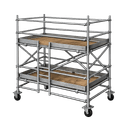
Temporary Structures
Covers scaffolding, fencing, and temporary buildings.

Soft Costs
Covers additional expenses from construction delays due to covered losses.

Equipment Coverage
Covers permanently installed fixtures and equipment.
What Makes Syracuse Different
When budgets are tight, the details in your quote deserve real attention. If a covered loss pauses work, the issue is not only replacing damaged materials but whether you can keep paying interest, taxes, and contractor restart costs without cutting scope or delaying completion. The most useful quote review digs into whether the completed value figure is accurate, whether temporary storage or materials in transit need to be scheduled, and whether a soft cost option fits the way your project is financed.
Our Recommendation for Syracuse
Start with the construction budget you can document, then test it against the real completed value of the project rather than the purchase price alone. For a local rehab, ask whether the form is written for renovation exposure, whether existing structure is included when needed, and how theft of installed and uninstalled materials is handled. If the property will sit vacant before work begins or between phases, raise that early instead of assuming it is automatically acceptable. On commercial jobs, confirm every party with a financial interest is listed correctly and that the policy term matches the build schedule with some margin for delays. On smaller residential projects, pay close attention to deductibles and exclusions, because a policy that looks inexpensive on paper may leave too much retained risk if a loss interrupts the job. It is generally wise to have the quote reviewed before permits are pulled and again if scope expands.
Get Builders Risk Insurance in Syracuse
Enter your ZIP code to compare builders risk insurance rates from carriers in Syracuse, NY.
Business insurance starting at $25/mo
FAQ
Frequently Asked Questions
Buyers should base limits on completed value, not just what they paid for the property. With a median home value of $125,100, even a smaller rehab can be underinsured if the renovation budget, materials, and labor are not fully reflected.
Projects here often need tighter budget discipline because the city's median household income is $45,845. That makes it worth reviewing deductibles, soft cost options, and restart expenses before work begins, especially on owner-funded rehabs.
Onondaga County has 11,263 business establishments, meaning a typical project may involve several parties with a financial stake in the outcome. With that many operating businesses, a fair number of projects involve leased space, tenant improvements, or contractor coordination with multiple stakeholders. That is a good reason to confirm named insureds, lender interests, and contract responsibility before binding coverage.
Onondaga County's leading sectors by establishment share are retail trade at 13.8%, other services at 10.9%, and health care and social assistance at 10.8%, so you are more likely to encounter build-outs and interior renovations than ground-up construction. That mix often points buyers toward build-outs, interior renovations, and phased occupancy questions during placement.
Brownstone renovations often need closer review of existing structure issues, occupied premises, and how materials move through constrained sites. Ask the quote to distinguish the new work from the preexisting building and to address transit or temporary storage if the site has limited room for stockpiling.
Construction lenders often set insurance requirements in the loan package, so review those documents before shopping. The practical step is to match the quote to the lender's required interests, project value, and policy term before the first draw closes.
Projects here commonly involve an owner, development entity, lender, and general contractor, but the contract decides whose interests must appear. Check whether each party needs insured status, loss payee treatment, or simple evidence of coverage before you finalize the policy.
Renovation work usually raises different underwriting questions than ground-up construction because existing structures, partial occupancy, and access constraints can change the exposure. Submit a clear project description so the quote addresses the actual job conditions rather than a generic build.
Sources
- 1.U.S. Census Bureau, ACS 5-Year Estimates, table B25077(The city's median home value is $125,100.)
- 2.U.S. Census Bureau, ACS 5-Year Estimates, table B19013(The local median household income is $45,845.)
- 3.U.S. Census Bureau, County Business Patterns, Onondaga County(Onondaga County has 11,263 business establishments.; Onondaga County's leading sectors by establishment share are retail trade 13.8%, other services (except public administration) 10.9%, and health care and social assistance 10.8%.)
Updated July 16, 2026





