Updated July 16, 2026

Commercial Auto Insurance in Yonkers
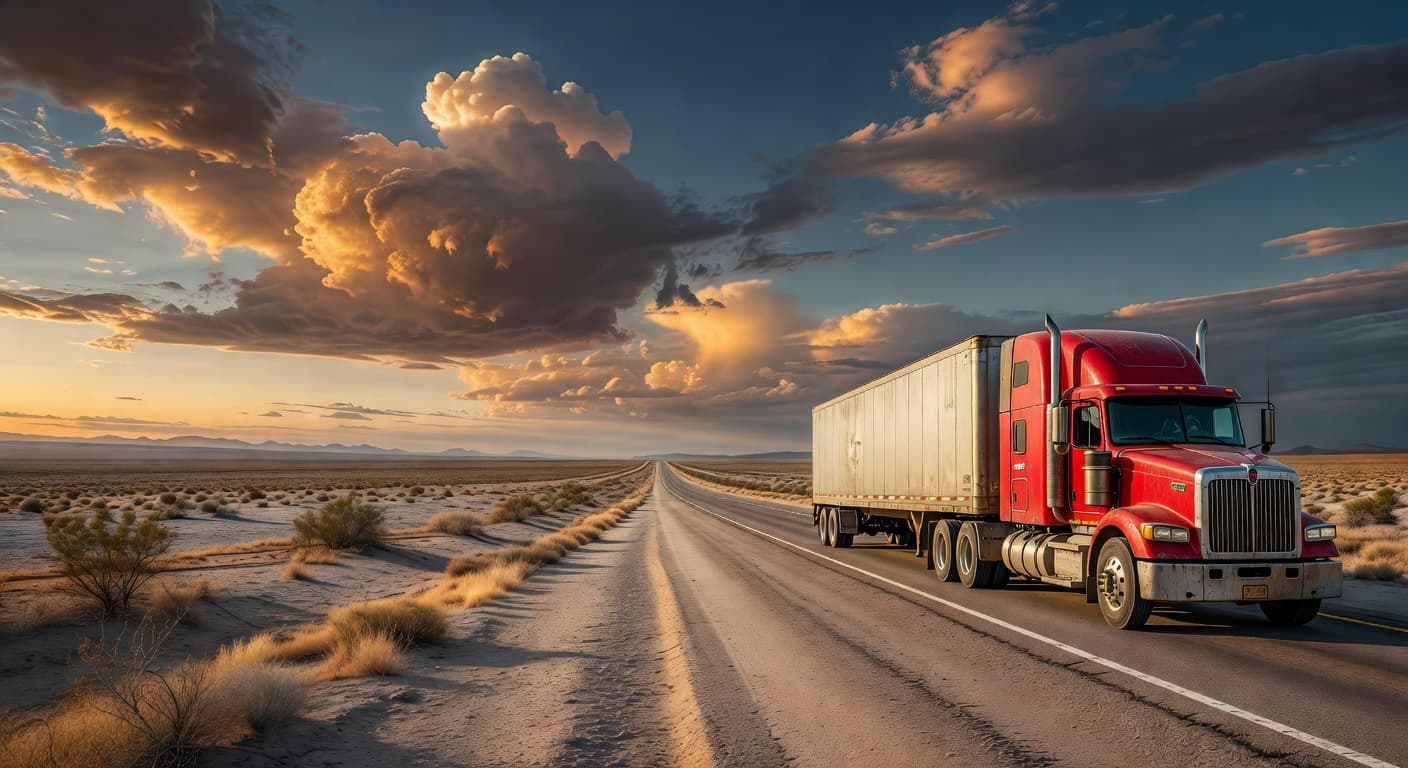
A service van gets sideswiped while turning off Central Park Avenue, then sits out of service while you reshuffle crews, tools, and appointments. That is the kind of interruption your policy needs to account for, especially if your drivers spend the day moving between residential streets, parkways, and county job sites. Here, the issue is not just owning a work vehicle. It is how often that vehicle is stopping, backing, loading, and re-entering traffic during a normal week. Westchester County has 31,152 business establishments, which means your drivers are sharing the road with a dense base of contractors, service firms, and care providers all making short operational trips. In practical terms, more nearby vehicles on local routes means more chances for low-speed collisions, curb damage, and loading-zone incidents that can take a unit off the road for days. If your business depends on vans, pickups, or company cars, review who drives each unit, where vehicles are garaged, whether tools or equipment stay inside overnight, and how often employees cross into nearby municipalities for work. A quote worth reading should reflect how your vehicles actually move through the day, not just the VIN list.
Commercial Auto Insurance Risk Factors in Yonkers
Yonkers's top risk factors include Flooding, Hurricane damage, Coastal storm surge, and Wind damage. Flooding can cause significant vehicle damage, make sure comprehensive coverage is included.
New York has a high climate risk rating. Top hazards: Hurricane (High), Flooding (High), Winter Storm (High), Severe Storm (Moderate). The state's expected annual loss from natural hazards is $3.8B, which influences commercial auto insurance premiums and may affect coverage availability in high-risk areas.
What Commercial Auto Insurance Covers
In New York, commercial auto insurance is built around several core protections. Liability, collision, and comprehensive form the foundation, while medical payments and uninsured motorist protection round out the standard structure. The right endorsements can extend that protection to hired and non-owned vehicle use. The state requires minimum liability for commercial vehicles, and all commercial vehicles must be registered with the New York DMV, so coverage and registration need to line up before a vehicle is put into service. If your routes include heavy traffic corridors, liability coverage matters that much more, because your policy may need to respond to bodily injury and property damage claims that can arise from a vehicle accident. Collision can help repair your covered vehicle after a crash, while comprehensive can help address damage from theft, vandalism, weather, or other non-collision events. In New York, that matters because hurricane, flooding, and winter storm exposure mean you are more likely to file a comprehensive claim, so choosing the right deductible becomes a real financial decision. Uninsured and underinsured motorist coverage may be required, which is relevant even in a state with a relatively low uninsured driver rate. Medical payments can help cover medical costs for you or your passengers after a crash, but exact limits and deductible choices vary by carrier. Coverage for rental vehicles, employee-owned vehicles, or short-term borrowed vehicles is not automatic. It typically depends on specific endorsements being added to the policy.
Coverage Included
Bodily Injury Liability
Covers injuries you cause to others in an accident

Property Damage Liability
Covers damage you cause to others' property
Collision Coverage
Pays for damage to your vehicle in an accident

Comprehensive Coverage
Covers theft, vandalism, weather, and animal damage

Medical Payments
Covers medical costs for your drivers and passengers

Uninsured Motorist
Protection when the other driver lacks insurance
Hired & Non-Owned Auto
Covers rented or employee-owned vehicles used for work
Commercial Auto Insurance Cost in Yonkers
Average Cost in New York
$180 - $600
per month
Businesses in New York typically see commercial auto insurance premiums of $180 - $600 per month, which tends to run 42% above the national range of $140 - $410 per month.
- Fleet size and vehicle types
- Driver records and experience
- Coverage limits and deductibles
- Business industry and use
- Annual mileage and operating radius
- Claims history
Rates based on small business averages. Your actual premium may vary.
Prices shown are general estimates, not guaranteed rates or quotes. Your actual premium will depend on the insurer, coverage selected, business details, location, claims history, and other underwriting factors. Learn about our pricing methodology.
New York pricing is higher than the national average, which means commercial auto insurance cost in this state tends to reflect heavier claims pressure and a more expensive market. Fleet size and vehicle types matter, so a single company car in Manhattan will not price the same as a small fleet of delivery vans operating across suburban counties and upstate routes. Driver records and experience are also major factors, and New York's 2023 crash data shows 298,000 total crashes and an average claim cost of $15,912. When claims cost that much, a single at-fault accident on a driver's record can push your premium up significantly at renewal. Business use also affects pricing, since annual mileage, operating radius, claims history, coverage limits, and deductibles all influence the final premium. Weather risk is another New York-specific factor, because hurricanes, flooding, and winter storms can create comprehensive claims that are more common than in milder states. Because New York's market is dense and claims pressure is real, two quotes with the same monthly price can carry very different limits and endorsements. Always compare both.
Industries & Insurance Needs in Yonkers
Westchester County business mix changes how many local fleets are used. Professional, scientific, and technical services account for 13.1% of county establishments, construction 12%, and health care and social assistance 11%, so a large share of vehicles here are not long haul units. They are estimator cars, trade vans, pickups carrying tools, and staff vehicles making repeated stops at homes, offices, clinics, and job sites. That matters because the exposure is often tied to frequency of use, driver turnover, parking patterns, and equipment carried in the vehicle, not just annual mileage. If your operation fits one of those patterns, ask for a quote built around vehicle class, radius, garaging, and driver schedules. A policy review is also a good time to check hired and non-owned auto exposure if supervisors, clinicians, or sales staff use personal cars for work tasks.
What Makes Yonkers Different
Short-trip density is the main thing that changes the buying calculus here. In a market tied closely to county service businesses, many losses come from ordinary operational movement, whether that is backing out of tight parking areas, turning across traffic, loading at the curb, or sending multiple drivers to different stops in the same day. What matters is whether your policy setup reflects how your vehicles are actually dispatched. If one van handles tools, another carries staff, and a third is used by rotating drivers, those differences should be reflected in driver assignments, symbol selection, physical damage choices, and any endorsements you request. This is also a place to be precise about where vehicles are kept after hours and whether employees ever take them home, because those details can affect both underwriting and claims handling.
Our Recommendation for Yonkers
Start with the schedule you actually run, not the one that looks simplest on an application. Write down what each vehicle does during the workday, who is behind the wheel, what stays inside it overnight, and where it parks. If your routes change by season or by contract, say that clearly during the quote process. In a local service market, it is also worth reviewing liability limits against the kinds of properties and third parties your drivers encounter each day, especially if they park at customer locations or move between commercial and residential stops. If employees sometimes use their own cars for errands, site visits, or client meetings, ask to review hired and non-owned auto exposure rather than assuming a business owners policy addresses it. If you are comparing options, give every carrier the same operational picture so the comparison is meaningful.
Get Commercial Auto Insurance in Yonkers
Enter your ZIP code to compare commercial auto insurance rates from carriers in Yonkers, NY.
Business insurance starting at $25/mo
FAQ
Frequently Asked Questions
Yonkers businesses often do, because even a small fleet can create regular liability exposure when vehicles are used for client visits, tools, deliveries, or staff travel. The key is reviewing business use, driver assignment, and whether the vehicle is titled to the company.
Contractors and service firms should describe how each vehicle is used day to day, who drives it, where it is garaged, and whether tools or materials stay inside. That helps the quote reflect backing, loading, and multi-stop work patterns instead of treating every vehicle the same.
Westchester County has 31,152 business establishments, so local vehicles often operate around other service fleets, vendors, and customer traffic. That density means your drivers are more likely to encounter tight parking, competing deliveries, and congestion that can lead to low-speed damage. It makes sense to review liability limits, driver selection, and parking practices before you bind coverage.
Employers should usually review hired and non-owned auto exposure when employees use personal cars for errands, meetings, or site visits. Personal auto insurance may not be designed around the business's liability if a work-related crash leads to a claim.
Westchester County's leading sectors include professional, scientific, and technical services at 13.1%, construction at 12%, and health care and social assistance at 11%. **That means a large share of local business driving involves service calls, equipment transport, and patient or client visits rather than simple commuting.** Vehicle use details matter during quoting because those trips create different backing, loading, and parking patterns than a standard office commute.
For New York businesses, it can include liability, collision, comprehensive, medical payments, and uninsured motorist protection, plus hired auto or non-owned auto coverage when those endorsements are added.
New York requires minimum liability of $25,000/$50,000/$10,000 for commercial vehicles, and all commercial vehicles must be registered with the New York DMV.
The state-specific average premium range is $180 to $600 per month per vehicle, but your rate varies based on fleet size, vehicle type, driver records, mileage, limits, and claims history.
Sources
- 1.U.S. Census Bureau, County Business Patterns, Westchester County(Westchester County has 31,152 business establishments, so your drivers are sharing the road with a dense base of contractors, service firms, and care providers all making short operational trips with real liability consequences.; Professional, scientific, and technical services account for 13.1% of county establishments, construction 12%, and health care and social assistance 11%, so a large share of vehicles here are not long haul units.)
Updated July 16, 2026