Updated July 5, 2026

Dealer Open Lot Insurance in Yonkers
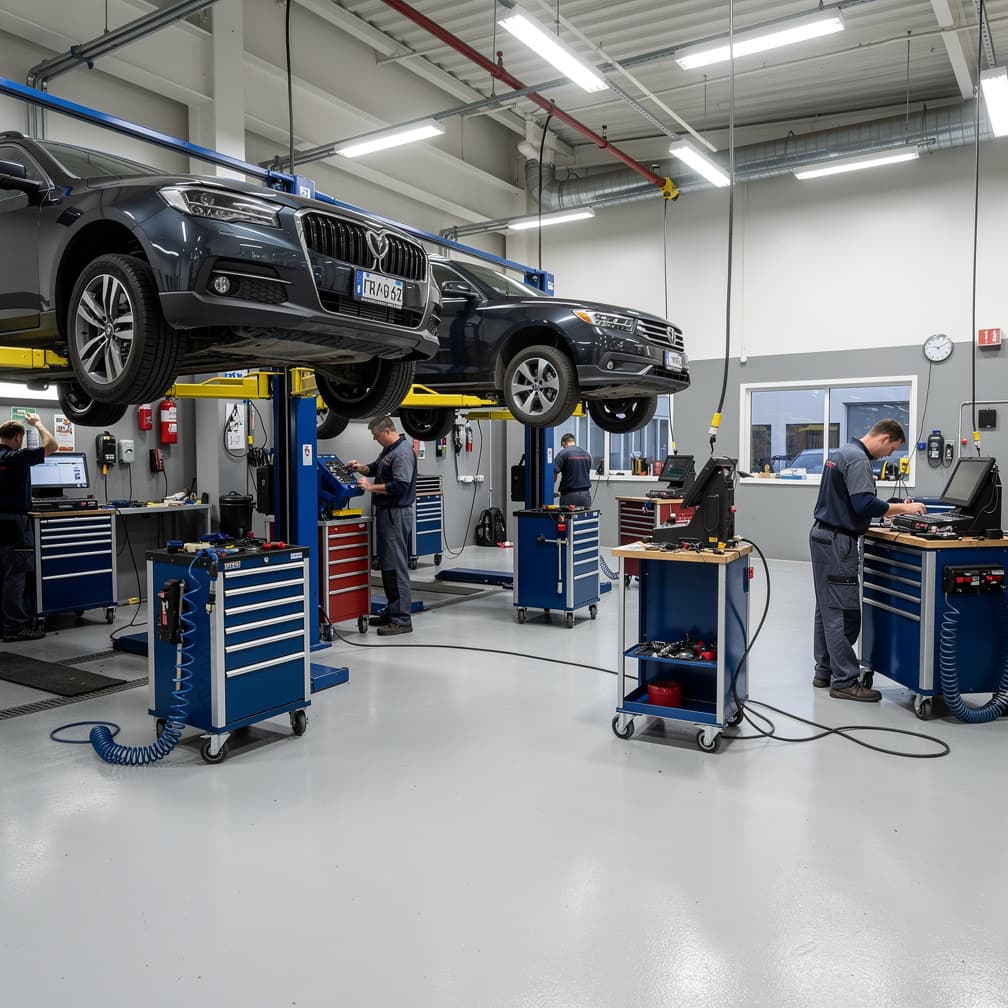
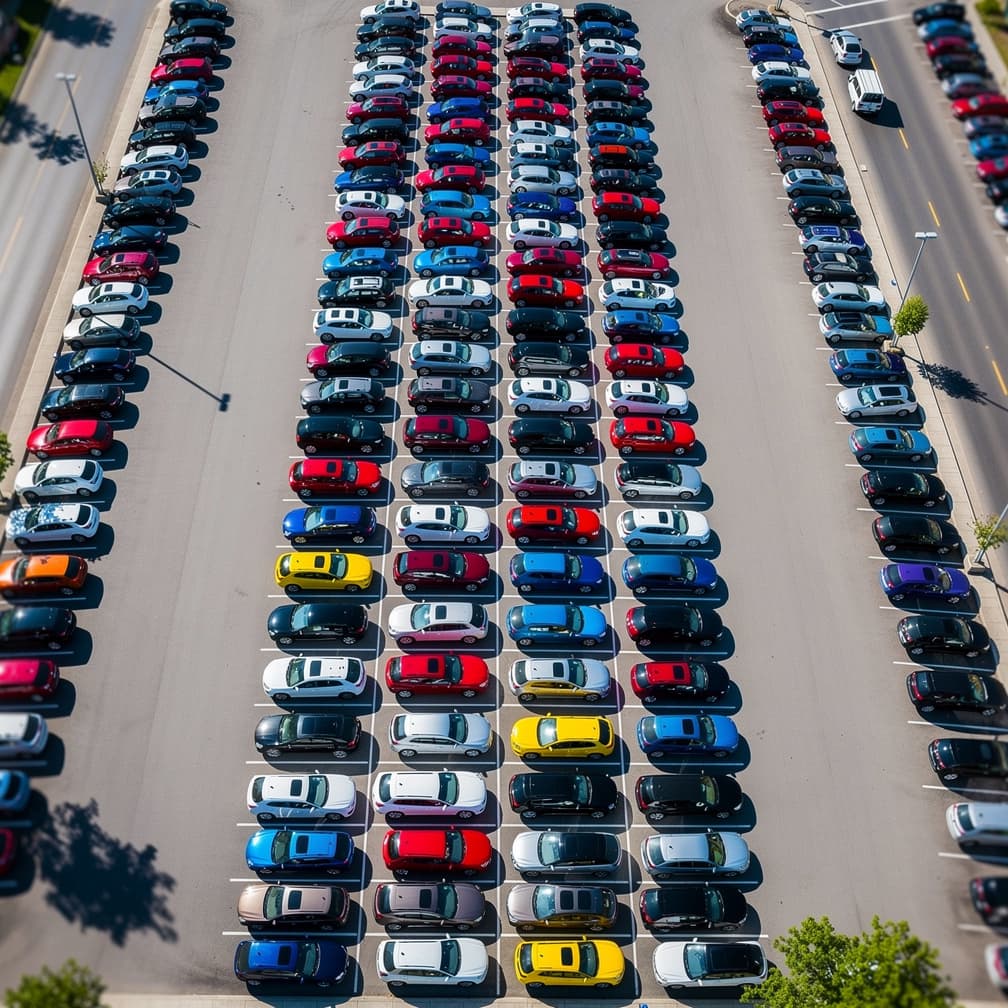
You often run a local dealership here with a compact frontage, a back row packed tight, and occasional overflow arranged through nearby commercial property while shoppers arrive from both city neighborhoods and the wider county. That operating pattern is why dealer open lot insurance in Yonkers deserves a sharper review than a simple vehicle count. You need the schedule of locations, storage layout, and vehicle movement process to match how units actually sit, rotate, and get shown. If inventory shifts between a main lot and another address during the week, that should be spelled out before a loss forces the issue. Yonkers also sits inside a county with 31,152 business establishments, so landlords, lenders, vendors, and service partners often expect organized proof of coverage and clear documentation before they hand over space, financing, or routine support. Review where keys are kept, who can move inventory, how vehicles are parked overnight, and whether any units wait off-site before sale. That is usually where a local quote gets more accurate and where avoidable coverage gaps get found.
Dealer Open Lot Insurance Risk Factors in Yonkers
Yonkers's top risk factors include Flooding, Hurricane damage, Coastal storm surge, and Wind damage.
New York has a high climate risk rating. Top hazards: Hurricane (High), Flooding (High), Winter Storm (High), Severe Storm (Moderate). The state's expected annual loss from natural hazards is $3.8B, which influences dealer open lot insurance premiums and may affect coverage availability in high-risk areas.
What Dealer Open Lot Insurance Covers
The useful coverage review is usually less about the label on the policy and more about where your inventory is exposed between acquisition and sale. A dealer with a single fenced suburban lot presents one kind of risk. A dealer using a frontage lot, a nearby parking structure, and an offsite overflow location presents another. That difference matters because a meaningful share of claim disputes start with a mismatch between where a unit was stored, who had custody, and whether the vehicle was being moved in a way the policy contemplates. A vehicle damaged at an unscheduled overflow lot, or while an employee was driving it to a reconditioning shop the carrier never heard about, can turn into a coverage argument even when the damage itself is clearly within the policy scope.
Your review should focus on the parts of the operation that change the loss picture. Start with how vehicles are parked overnight, whether high-value units are separated, how keys are controlled, and whether any inventory is left at service, detail, auction, or transport locations. Then check how the policy treats temporary off-premises storage, internal transfers between addresses, and vehicles being repositioned for cleaning, fueling, photography, or customer appointments. Those are ordinary dealership activities, but they still need to match the way the coverage is written.
State conditions also make weather planning part of the coverage conversation. If your lot layout leaves inventory exposed to wind-driven events, standing water, falling debris, or snow-load related property damage around storage structures, ask how those scenarios are handled and what documentation helps support a claim. If you keep units near dense commercial corridors, theft and vandalism controls deserve the same level of attention. Ask for wording to be reviewed against your actual storage map, not a simplified description from an application.
Coverage Included

Weather Damage
Covers hail, wind, flood, and storm damage to lot inventory.

Theft Protection
Covers vehicles stolen from your lot.

Fire Damage
Covers fire and explosion damage to inventory vehicles.

Vandalism
Covers intentional damage to vehicles on your lot.
Test Drive Coverage
Covers vehicles during customer and employee test drives.
Transit Coverage
Covers vehicles being moved between lot locations.
Industries & Insurance Needs in Yonkers
Westchester County's business mix changes who walks your lot and how long certain units may sit. Professional, scientific, and technical services account for 13.1% of county establishments, construction 12%, and health care and social assistance 11%, so your inventory may need to appeal to commuters, trade buyers, and service professionals rather than one narrow customer profile. That matters because turnover speed affects how long vehicles remain exposed on the lot before sale. A slower-moving work truck, entry luxury sedan, or practical commuter vehicle can create a different storage pattern even when total inventory looks similar on paper. Use that reality during your coverage review: separate fast-turn units from aging inventory, identify any vehicles held for contractor or professional demand, and make sure your reported maximum values reflect peak accumulation, not an average week.
What Makes Yonkers Different
Density is the difference here. A local dealer often works with less breathing room than a suburban rooftop with wide setbacks and abundant fenced storage. Vehicles may be parked closer together, display rows may change quickly, and overflow arrangements can become part of normal operations instead of a rare exception. That changes the insurance calculus because dealer open lot coverage is sensitive to how and where inventory accumulates, not just how many units you own. The practical question is whether your policy review captures the real footprint of your operation: every address, every overnight storage habit, and every point where keys and vehicles change hands. Yonkers median household income is $81,816, so many buyers here have meaningful purchasing power, but that also means you may carry a mix of late-model vehicles that pushes total lot values higher than a quick glance suggests. Before binding coverage, line up your peak inventory values with your actual merchandising plan, not last month's average.
Our Recommendation for Yonkers
Start with a location map, not a declarations page. Mark the main lot, any overflow address, service-area parking, and any place a newly acquired unit may sit before it is frontline ready. Then review your maximum total inventory value during busy acquisition periods, because a crowded week can matter more than your normal daily count. If you stock vehicles aimed at professional households, commuters, or contractor buyers, sort them by value band and expected days on lot so your limits reflect concentration risk. Ask specifically how the policy treats temporary movement between scheduled locations and whether documentation standards change if units are stored off the primary premises. If your lease, floorplan arrangement, or lender requires proof of coverage, request certificates and supporting details early so paperwork does not delay deliveries or occupancy. A useful next step is to build your quote request around addresses, peak values, and storage practices, not just inventory totals.
Get Dealer Open Lot Insurance in Yonkers
Enter your ZIP code to compare dealer open lot insurance rates from carriers in Yonkers, NY.
Business insurance starting at $25/mo
FAQ
Frequently Asked Questions
Yonkers dealers often work with tighter parking layouts and less spare space, so limit selection should follow peak accumulated value across every scheduled storage area, not just the number of vehicles visible on the main frontage.
Yonkers has a median household income of $81,816, so some dealers carry newer or higher-value units to match local demand. That can raise total exposed inventory values and should be reflected in your limit review.
Westchester County has 31,152 business establishments, so dealers often coordinate with landlords, lenders, repair vendors, and commercial neighbors that expect clear proof of coverage before space, services, or financing move forward.
Westchester County's establishment mix includes professional services at 13.1%, construction at 12%, and health care and social assistance at 11%, so your quote should reflect whether you stock commuter, trade, or mixed-use vehicles that sit differently.
New York dealers often do if inventory is stored at more than one address. The key issue is making sure each location where vehicles spend time is disclosed and reviewed, especially when overflow, garage, or reconditioning storage changes during the year. That question naturally leads into how your lease itself shapes the coverage you need.
New York lot leases can shape what proof of coverage you need before operations begin. Review lease insurance language early, then compare it against listed locations, deductibles, and how your inventory is stored overnight. Lease requirements also intersect with state regulation, which is worth understanding before you bind.
New York dealer insurance is regulated by the New York State Department of Financial Services, so your policy documents, claim handling questions, and complaint process should be reviewed with that oversight in mind when you buy or renew coverage. Knowing the regulatory framework helps when you ask about specific storage situations, like overflow lots.
New York coverage may help cover overflow storage, but what that hinges on is whether the address is scheduled on the policy and whether your terms extend to off-premises locations. Ask for off-premises and temporary storage arrangements to be reviewed before binding, not after a loss. That preparation also affects what you need to submit for a quote.
Sources
- 1.U.S. Census Bureau, County Business Patterns, Westchester County(Westchester County has 31,152 business establishments, so landlords, lenders, vendors, and service partners often expect organized proof of coverage and clear documentation before they hand over space, financing, or routine support.; Professional, scientific, and technical services account for 13.1% of county establishments, construction 12%, and health care and social assistance 11%, so your inventory may need to appeal to commuters, trade buyers, and service professionals rather than one narrow customer profile.)
- 2.U.S. Census Bureau, ACS 5-Year Estimates, table B19013(Yonkers median household income is $81,816, so many buyers here have meaningful purchasing power, but that also means you may carry a mix of late-model vehicles that pushes total lot values higher than a quick glance suggests.)
Updated July 5, 2026