







































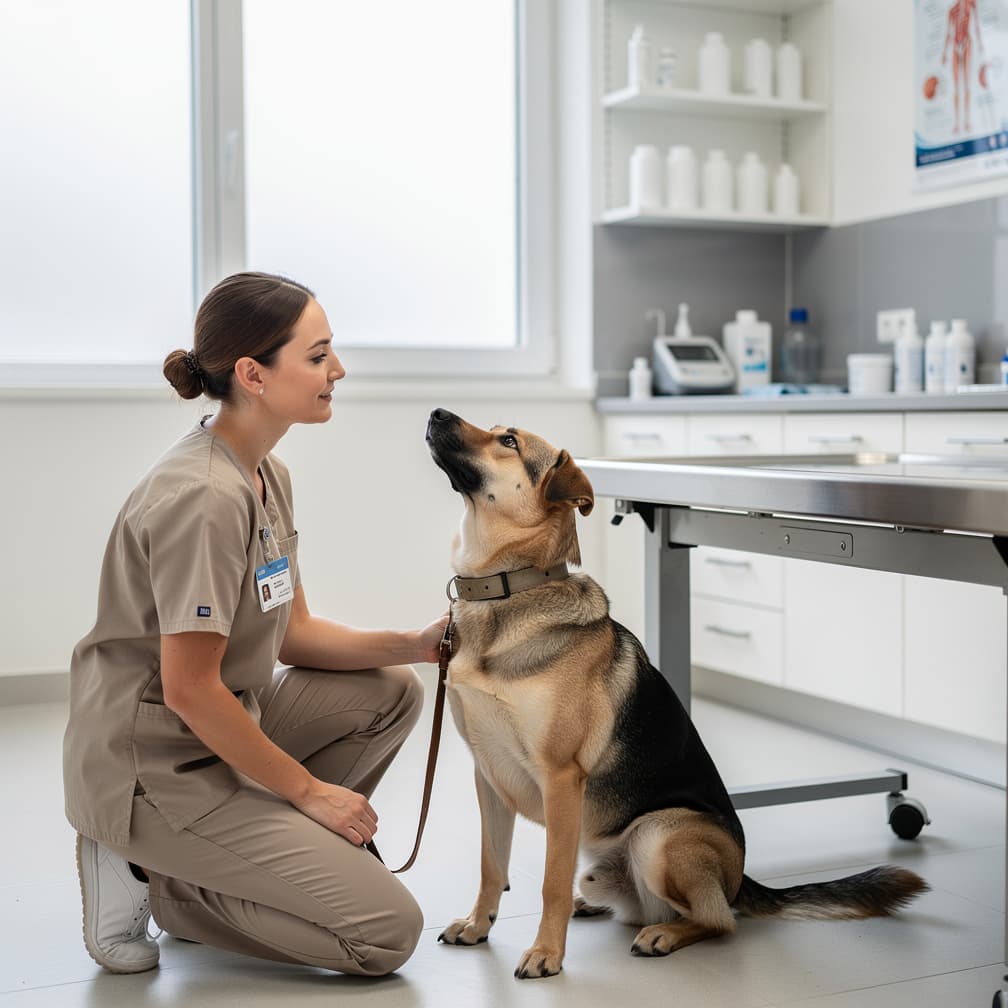

As a dog trainer in Cary, you take on liability for a dog you do not own the moment the leash is in your hand. Control creates responsibility. A dog that lunges past you and bites a passerby produces a claim naming you alongside the owner, and the two of you then get to argue about which of you was handling it. Dog trainer insurance in Cary funds your side of that argument. An owner's homeowners policy may or may not extend to a professional handling the animal for a fee, and you tend to find out which after the fact. Waivers help; they do not end the conversation. This page sets out the coverages trainers buy and the exposures they are bought against.
What Makes Cary Different
Payroll and revenue are the two numbers a quote is built on, and both grow in a busy market. More classes mean more revenue, and more revenue is a bigger exposure base for an underwriter to rate. That is why a trainer doubling their schedule rarely sees the premium hold still at the next renewal. A dense Cary market fills a calendar fast, and a full calendar reprices the policy at renewal. Deductible choice is the lever you actually control, and raising it lowers the monthly number immediately. The tradeoff is real: a higher deductible means more of a small bite claim comes out of you. Run the math on the deductible you could genuinely pay in a bad month rather than a good one. Then compare quotes from carriers writing in North Carolina at that deductible rather than at some printed default.
Local Risk Factors in Cary
A canceled term is the first cost of high water, long before anyone opens a claim file. A client who rebooks once rarely rebooks twice, and the field or hall you rented in Cary stays unusable while the ground dries out. Commercial Property may respond to some water losses, though the form generally draws a hard line between a burst pipe inside a wall and surface water rising from outside. That distinction decides whether your ruined crates and long lines ever get looked at. Ask specifically which water perils the policy in North Carolina contemplates, and ask where each piece of equipment is scheduled. Gear kept at a location you do not own is a separate question again.
What Coverage Does a Dog Trainer in Cary Need?
General Liability
Landlords, pet retail floors, and parks departments ask for this one by name before they let you set up. It is the line that may respond when a dog you were handling bites a client or a passer-by, or when that dog wrecks property you do not own. Injury to you sits outside it, and so do intentional acts.
Example: A leash goes slack during a group class in Cary and a passer-by is bitten on the forearm. The medical bills and the defense of the resulting claim could fall to this line.
Professional Liability
A liability form is built for what happened while you were standing there, and it generally stops short of what your advice caused after you left. This is the line for that gap: allegations that a behavior plan, a handling instruction, or a training method fell below a reasonable standard. It matters most if you sell written plans.
Example: Six weeks after you write a desensitization plan, the dog bites a houseguest and the owner's attorney calls your instructions negligent. Defending that allegation is what this coverage is meant to fund.
Commercial Property
Crates, long lines, agility jumps, a decoy suit, and the mats in a rented room are the pile this line is built around. It can help cover them after fire, theft, vandalism, or storm damage, subject to the schedule and the deductible you chose. Standard forms typically exclude flood, and gradual wear is generally treated as your own cost.
Example: A vehicle window goes in overnight and a bag of long lines, clickers, and a training collar set disappears from the back seat. Replacing that kit may sit within this coverage, subject to your deductible.
How Much Does Dog Trainer Insurance Cost in Cary?
Dog Trainer Insurance is a bundle of separate policies, priced separately. The ranges below are typical figures for Cary for each line; a quote prices each one against your own operations.
| Coverage | Typical range | What moves your price |
|---|---|---|
| General Liability Insurance | $45 - $150 per month | Industry and risk classification, annual revenue, number of employees |
| Professional Liability Insurance | $30 - $100 per month | The services you actually perform, annual revenue or billed fees, limit and retention selected |
| Commercial Property Insurance | $35 - $110 per month | Building value and construction type, roof age and condition, fire protection class |
Prices shown are general estimates, not guaranteed rates or quotes. Your actual premium will depend on the insurer, coverage selected, business details, location, claims history, and other underwriting factors. Learn about our pricing methodology.
What Are the Insurance Requirements for a Dog Trainer in Cary?
Workers' comp is generally required once you have 3 or more employees. North Carolina generally requires employers to carry workers' compensation at that point. Common exemptions include sole proprietors, partners, and LLC members. Confirm current thresholds with your state's workers' compensation agency before you hire.
Flood damage is typically excluded from standard policies. Standard commercial property and builders-risk-type policies typically exclude flood damage. Flood exposure varies address by address, so check your premises in FEMA's Flood Map Service Center before deciding; if you sit in a mapped flood zone, a separate policy through the National Flood Insurance Program is the usual starting point.
Where to verify licensing and coverage rules. The North Carolina Department of Insurance publishes consumer guidance and current insurance requirements for North Carolina businesses. When a contract or lease demands specific wording, the North Carolina Department of Insurance's guidance is the authoritative place to check.
Get Your Dog Trainer Quote in Cary
Compare rates from multiple carriers. Free quotes, no obligation.
Operating in Cary
- Gear lives in a vehicle in this trade: long lines, crates, agility jumps, a decoy suit, treat pouches. It walks out of parking lots across Wake County, and a Commercial Property schedule with honest replacement values is what answers for it.
- Dogs you were handling can go straight through a client's gate, and that gate belongs to a neighbor who never hired you. Third parties who signed nothing are where the expensive claims in this trade come from.
- Property managers in Cary can hold a training room booking until your certificate names them exactly the way the lease spells it, and a wrong name on the form counts as no certificate at all.
- Rain empties an outdoor class and the rented field still gets billed. That gap is a deposit-policy problem rather than an insurance problem, and confusing the two can cost a trainer an entire term of revenue.
How to Buy: Advice for Cary Owners
Limits and deductibles are the two dials on every quote, and trainers tend to leave both on the factory setting. The per-occurrence limit is what one bite claim can draw; the aggregate is what an entire policy year can draw. One bad year with two incidents can exhaust an aggregate that looked generous against a single claim. Raise the deductible if you can genuinely fund it in a bad month, because that lowers the monthly cost right away. General Liability and Professional Liability carry separate limits, so check both rather than assuming one number governs everything. The North Carolina Department of Insurance publishes consumer guidance on how per-occurrence and aggregate limits differ. Ask CPK to show you quotes from participating carriers at two limit levels for your Cary operation, then decide with the numbers next to each other rather than one after the other.
FAQ
Dog Trainer Insurance in Cary: FAQ
Bring annual revenue, class count and class size, whether you take aggression cases, your locations, an honest equipment list with replacement values, and five years of loss history including incidents that never became claims. Understating any of it is how a claim gets denied later. If you work across Wake County, list every place you regularly train, because a form written for one fixed address may not contemplate sessions on borrowed ground.
Gear taken from a vehicle is a Commercial Property question, and the answer turns on how the form handles property away from your premises. Some policies limit off-premises property sharply, and some do not contemplate it at all unless you ask. Long lines, crates, agility equipment, and decoy suits add up faster than trainers expect. Photograph the pile, keep the receipts, and make sure the declared value reflects what replacing it would really cost.
No. A waiver documents what a client agreed to and what you told them, which is useful evidence. It does nothing for the bystander who signed nothing and gets bitten on a public path, and it can be challenged in court by the client who did sign it. Either way the defense bill starts running. Keep the waivers, and keep them alongside a policy rather than instead of one.
Yes, and a mobile setup is common in this trade. What matters is that the application describes it honestly: no fixed facility, sessions in client homes and public spaces, gear traveling with you. A policy written around a single address may not reach a lesson in somebody's back yard. If your work spans Cary and the towns around it, tell the carrier that rather than listing your home as your only location.
Several things sit outside a standard set of forms. Injury to you rather than to a third party. Damage to a dog in your care, which is usually a separate care, custody, and control question. Intentional acts. Wear and tear on your own equipment. Flood, which standard property forms typically exclude and which gets priced separately. Reading the exclusions is more useful than reading the marketing, because that is where the surprises live.
Binding the policy is the slow part; the paperwork afterward usually is not. Once coverage is in force, carriers commonly issue proof through a portal within a day. What drags is an additional insured endorsement, because that is a real change to the policy and an underwriter has to approve wording a facility's attorney wrote. If a venue in Cary wants both, ask for the clause early and allow a couple of weeks.
Sources
- 1.North Carolina Department of Insurance(North Carolina Department of Insurance publishes consumer guidance for insurance buyers.)
- 2.FEMA / FloodSmart(Flood coverage is typically purchased separately; FEMA administers the National Flood Insurance Program.)


