








































Updated July 16, 2026

Commercial Truck Insurance in Charlotte
When a truck sits broken in a yard you are paying premium rates to park in, every day without a repair estimate costs you twice. A low deductible that looks comfortable on paper can strain cash flow after a physical damage claim, especially when the repair shop is backed up and the lot rent keeps accruing. Your policy works better when you match deductibles and downtime planning to how your trucks are actually parked, loaded, and dispatched, whether that means overnight street parking near older industrial blocks or secured lots closer to warehouse corridors.
If you run under shipper contracts, higher local operating costs also make missed delivery windows and substitute-unit expenses more painful. It is worth reviewing rental reimbursement, towing, and any gap between stated vehicle values and current replacement costs. Before you renew, line up your unit schedule, parking addresses, lienholder requirements, and the contracts that trigger higher liability limits. Quote those details instead of relying on last year's application.
Commercial Truck Insurance Risk Factors in Charlotte
Charlotte's top risk factors include Flooding, Hurricane damage, Coastal storm surge, and Wind damage.
North Carolina has a high climate risk rating. Top hazards: Hurricane (Very High), Flooding (High), Severe Storm (High), Tornado (Moderate). The state's expected annual loss from natural hazards is $2.8B, which influences commercial truck insurance premiums and may affect coverage availability in high-risk areas.
What Commercial Truck Insurance Covers
Commercial truck insurance in North Carolina is built around the way your trucking operation actually works, not a one-size-fits-all auto policy. The core coverages available here include motor carrier liability, physical damage, cargo coverage, trailer interchange, bobtail coverage, and non-trucking liability. Motor carrier liability is the foundation for freight-hauling risk, while physical damage coverage helps protect the tractor or trailer itself after a covered loss.
Cargo insurance is especially relevant if you move freight that could be damaged, stolen, or lost in transit. Trailer interchange matters if you use trailers that belong to another party under an agreement. Bobtail coverage can matter when a truck is being driven without a trailer, and non-trucking liability is designed for off-dispatch use. North Carolina businesses are regulated by the North Carolina Department of Insurance, so policy terms, endorsements, and carrier filings should be reviewed carefully before binding. The state does not replace federal trucking rules, but your coverage still needs to line up with your operation, your contracts, and any shipper or broker requirements.
Many freight operations need limits above the federal minimums, and the right endorsement structure depends on whether you run long haul, regional delivery, or local hauling. A one-truck owner-operator near Fayetteville may need a different setup than a fleet serving the Port of Wilmington or distribution centers in the Charlotte metro area.
Coverage Included

Motor Carrier Liability
Can help cover injuries and property damage your truck causes to others, a coverage federal regulators require most for-hire carriers to maintain.
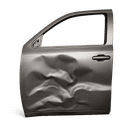
Physical Damage
Can help pay to repair or replace your own truck after an accident, fire, theft, or vandalism.
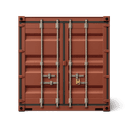
Cargo Coverage
May pay for damage to or theft of the freight you are hauling while it is in your care.
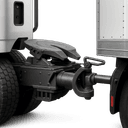
Trailer Interchange
Can help cover damage to trailers you haul under an interchange agreement but do not own.
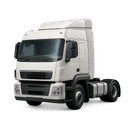
Bobtail Coverage
May provide liability protection when you drive your tractor without a trailer attached, such as after dropping off a load.

Non-Trucking Liability
Can help cover accidents that happen when you use your truck for personal errands rather than dispatched work.
Commercial Truck Insurance Cost in Charlotte
Average Cost in North Carolina
$360 - $950
per month
Businesses in North Carolina typically see commercial truck insurance premiums of $360 - $950 per month, which tends to run 14% below the national range of $400 - $1,125 per month.
- Radius of operation
- Commodities hauled and cargo value
- Number and value of power units
- Driver motor vehicle records and CDL experience
- DOT safety record, inspections, and FMCSA scores
- Liability limits and physical damage deductibles
Contact CPK Insurance for a personalized quote.
Prices shown are general estimates, not guaranteed rates or quotes. Your actual premium will depend on the insurer, coverage selected, business details, location, claims history, and other underwriting factors. Learn about our pricing methodology.
Location matters because hurricane exposure, flooding, and severe storms can affect how carriers view a route or garaging area, especially for trucks operating near the coast or through storm-prone corridors. The state's overall premium index of 96 suggests pricing is close to the national average, but that does not mean every trucking account will price the same.
Several state factors can push pricing up or down. North Carolina has a large field of active insurance companies competing for business, which gives trucking buyers more carrier options to compare. However, the state also has elevated auto accident loss patterns, including a fatal crash rate of 1.52, 268,000 total crashes, and an average claim cost of $19,093 in 2023. Those conditions can influence underwriting for truck liability, especially for fleets with prior losses or frequent urban mileage. Cargo-heavy operations, long-haul lanes, and policies with higher limits or lower deductibles generally cost more than basic placements. Endorsements such as trailer interchange, bobtail coverage, and non-trucking liability can also affect the final premium.
If you are requesting a quote, expect carriers to review your routes, vehicle types, cargo class, claims history, and where your trucks are kept when not in service. Because the state's market is competitive and the premium index is near average, comparing multiple carriers is especially important before you bind coverage.
Industries & Insurance Needs in Charlotte
Mecklenburg County's business mix changes what many truck operators are asked to haul and how often they need proof of coverage. The county has 36,081 business establishments, so even a small fleet can be serving a dense base of vendors, clinics, retailers, contractors, and offices that expect certificates before freight moves or a delivery contract starts. The leading sectors by establishment share are professional, scientific, and technical services at 13.9%, health care and social assistance at 10.2%, and retail trade at 10%, so local demand often includes time-sensitive retail replenishment, medical-related deliveries, and service-linked equipment moves rather than only long-haul freight. That mix can change the conversation around cargo descriptions, radius, hired and non-owned auto exposure, and how quickly you need certificates issued. If your book includes mixed-use work, ask for a quote built around your actual commodity list, delivery windows, and contract insurance language.
What Makes Charlotte Different
In a market tied to a large county business base, truck insurance decisions are less about a generic North Carolina route map and more about frequent pickups, tighter delivery windows, and more counterparties asking for evidence of insurance before work begins. A policy built for occasional long-haul use tends to overlook the stop-and-go reality of local dispatching, where one truck may handle several stops, back into constrained loading areas, and switch between customer classes in the same week.
Seasonal drivers, leased units, and mixed accounts across retail, medical, and business-service work all change who needs to be listed and what cargo class applies. Nail down those specifics up front so renewal season does not become a scramble over garaging addresses and certificate requests.
Our Recommendation for Charlotte
Start with a clear picture of how your fleet actually runs day to day, then match that against what your current policy assumes. Pull together your power units, trailers, garaging addresses, parking arrangements, and any contracts that demand specific liability wording or additional insured status. If your trucks serve mixed customers around the area, separate local delivery work from longer regional runs so the quote reflects radius, cargo, and stop frequency accurately.
Set physical damage deductibles at a level you could actually absorb without parking a broken unit. This matters most if one down truck would force you to rent, subcontract, or miss contracted delivery windows. Check that your policy terms account for hired vehicles, employee use of non-owned autos, and the certificate turnaround your shippers and property managers expect. If a lender or lessor is involved, confirm the loss payee and valuation method before binding. Once those pieces are in place, weigh competing quotes on exclusions, downtime add-ons, and whether each application captures how your trucks operate this month rather than last year.
Get Commercial Truck Insurance in Charlotte
Enter your ZIP code to compare commercial truck insurance rates from carriers in Charlotte, NC.
Business insurance starting at $25/mo
FAQ
Frequently Asked Questions
Start with unit schedules, VINs, garaging and parking addresses, driver lists, cargo descriptions, and contract insurance requirements. Quotes come back more accurate when the application reflects actual stop frequency, delivery radius, and whether you use leased or substitute units.
Mecklenburg County has 36,081 business establishments, which translates to more docks, more certificate requests, and tighter lots than a rural operation would face. That kind of volume raises the odds of a low-speed backing incident at an unfamiliar address. Liability limits, hired and non-owned auto exposure, and certificate turnaround speed all deserve a closer look under those conditions.
Mecklenburg County's leading sectors include professional services at 13.9%, health care at 10.2%, and retail at 10%. When nearly a third of local business activity spans time-sensitive industries, your delivery windows get shorter and your cargo mix gets broader. A broad cargo mix is exactly where classification errors and gaps in contract-driven wording tend to hide, so dig into those details before renewal.
In a metro where lot rent and repair labor run high, a truck sitting unrepaired is money bleeding out daily. Set deductibles at a level your cash reserves can actually absorb, and confirm stated values still match what it would take to repair or replace a unit today.
In North Carolina, this policy may offer motor carrier liability, physical damage, cargo coverage, trailer interchange, bobtail coverage, and non-trucking liability insurance, depending on how your trucks are used.
North Carolina businesses are regulated by the North Carolina Department of Insurance, and commercial auto minimums are 30/60/25, but freight operations may need higher liability limits based on federal rules or shipper contracts.
Cost depends on your liability limits, deductibles, claims history, location, freight type, and endorsements. Your routes and garaging locations also matter, especially if your trucks operate in areas with hurricane, flood, or severe-storm exposure that can influence underwriting.
Many North Carolina trucking operations need motor carrier liability as the base, then add cargo coverage for freight exposure and physical damage coverage for trucks if they want protection for the tractor or trailer itself.
Sources
- 1.U.S. Census Bureau, ACS 5-Year Estimates, table B19013(Charlotte median household income is $78,438.)
- 2.U.S. Census Bureau, County Business Patterns, Mecklenburg County(Mecklenburg County has 36,081 business establishments.; Mecklenburg County's leading sectors by establishment share are professional, scientific, and technical services 13.9%, health care and social assistance 10.2%, and retail trade 10%.)
Updated July 16, 2026





