







































Updated July 16, 2026

Inland Marine Insurance in Charlotte
A van gets caught in a summer downpour on the way from a South End renovation to a medical office build-out near Uptown. The tools, test equipment, or customer materials in the back take the loss before they ever reach the next stop. Inland marine insurance exists for exactly this situation, protecting Charlotte businesses that keep property in motion between vehicles, job sites, and temporary locations.
Weather is only part of the story. Mecklenburg County has 36,081 business establishments, so contractors, service firms, and vendors constantly cross paths with tight delivery and staging schedules. More handoffs and more stops can mean more chances for theft, breakage, or water damage while property is away from your main address. If your operation carries specialized tools, mobile equipment, installation materials, or client property, take a close look at how values are listed, where property is kept during the workday, and whether your limit still matches what rides in one vehicle or sits at one active site.
Inland Marine Insurance Risk Factors in Charlotte
Mobile property here is exposed to ordinary loss events that fixed-location property forms often do not handle well: equipment left in a truck between appointments, materials staged inside a partially finished suite, or diagnostic and trade equipment carried into multiple buildings in the same week. North Carolina's broader hazard profile matters as background, but the local buying decision is really about how often your property is **in transit or at a temporary location** rather than secured at your primary premises. In a market with constant movement between offices, retail spaces, clinics, and job sites, even a short route can involve loading, unloading, elevator moves, and overnight storage in a vehicle or trailer. That is why your schedule should match the way property actually travels, including peak values on busy days, employee-carried equipment, and any customer property in your care before installation or return.
North Carolina has a high climate risk rating. Top hazards: Hurricane (Very High), Flooding (High), Severe Storm (High), Tornado (Moderate). The state's expected annual loss from natural hazards is $2.8B, which influences inland marine insurance premiums and may affect coverage availability in high-risk areas.
What Inland Marine Insurance Covers
Inland marine insurance is built for business property that is not staying at one fixed address, so it is commonly used for tools, equipment, materials, and goods moving between job sites, customer locations, and temporary storage. The core coverage options include tools and equipment, goods in transit, contractors equipment, installation floater, and builders risk. North Carolina does not have a special inland marine mandate, but your specific trade and how large your operation is will dictate your needs, and policies are regulated by the North Carolina Department of Insurance.
In a state with hurricane exposure on the coast, flooding concerns in low-lying areas, and severe storm activity, businesses often review whether temporary storage, transit between locations, and job-site placement are all included. Those three exposure points are where mobile property claims tend to surface during storm season. Commercial property coverage can help protect items at a fixed location, but it does not follow gear that leaves the main premises in job trailers, service vans, construction sites, and offsite storage yards. Inland marine insurance is the fill-in for that mobile property.
Coverage Included
Tools & Equipment
Can help repair or replace hand tools, power tools, and gear that are stolen or damaged on the job or in transit.

Goods in Transit
May cover products, materials, and merchandise while they are being shipped or hauled between locations in your care.
Contractors Equipment
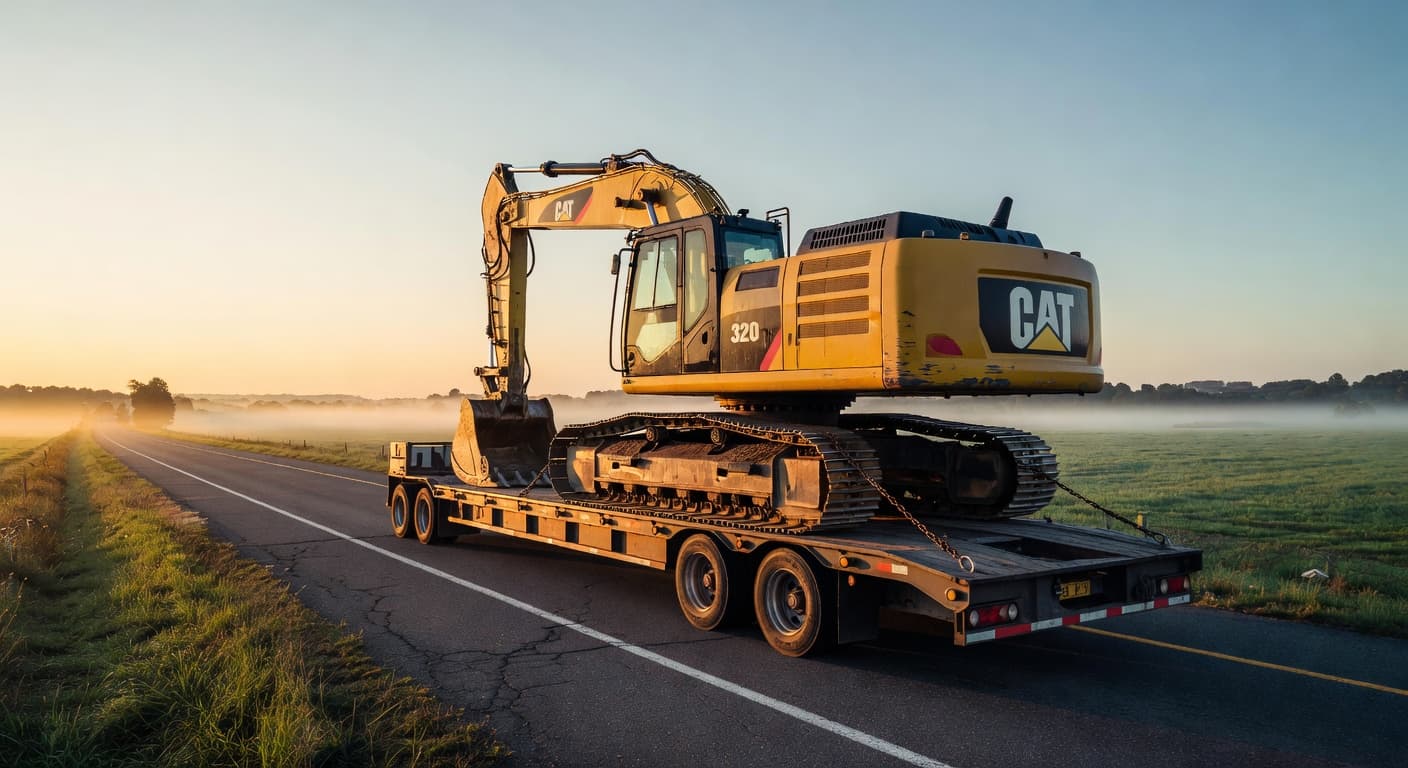
Typically covers heavy machinery like excavators, loaders, and generators against theft or damage at job sites and between them.
Installation Floater
Can help cover materials and fixtures from the moment you buy them until they are installed and accepted at a project.
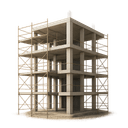
Builders Risk
May cover a structure under construction, along with materials on site, against damage from fire, wind, theft, and vandalism.
Inland Marine Insurance Cost in Charlotte
Average Cost in North Carolina
$20 - $95
per month
Businesses in North Carolina typically see inland marine insurance premiums of $20 - $95 per month, which tends to run 4% below the national range of $20 - $100 per month.
- Total insured value of the scheduled property
- Type and age of the equipment
- Where it is stored and how far it travels
- Jobsite security and theft prevention
- Per-item limits and deductibles
- Prior theft and in-transit losses
Contact CPK Insurance for a personalized quote.
Prices shown are general estimates, not guaranteed rates or quotes. Your actual premium will depend on the insurer, coverage selected, business details, location, claims history, and other underwriting factors. Learn about our pricing methodology.
Monthly premiums often start from $20 to $95, though your actual cost depends heavily on your equipment schedule and risk profile. Hurricane risk is a major pricing factor here, especially for businesses operating near the coast, in flood-prone areas, or in counties that have seen repeated disaster declarations. Premiums also move with coverage limits, deductibles, claims history, location, industry or risk profile, and policy endorsements. A contractor storing gear in a coastal area may be rated differently from a service business inland.
A business with higher-value portable property, frequent transit, or job-site exposure may still see a wider range of prices. Because the state has a large small-business base, many policies are built around modest but important equipment schedules, where the cost depends heavily on how much property is actually moving. For the most accurate quote, carriers usually want a clear inventory, estimated values, storage practices, and the counties where the property is used.
Industries & Insurance Needs in Charlotte
Service density is the local difference. The county's largest establishment shares are professional, scientific, and technical services at 13.9%, health care and social assistance at 10.2%, and retail trade at 10%. So the inland marine conversation here often centers on mobile instruments, laptops, diagnostic devices, display property, and installation materials that move between offices, clinics, stores, and customer locations. If your business serves those sectors, ask for a quote that separates owned equipment, leased items, and customer property, because each category can create a different valuation and documentation issue after a loss. A generic property review can miss that distinction when your most important assets spend the day in vehicles, on carts, or inside temporary work areas instead of at one insured address.
What Makes Charlotte Different
What shifts the math is how much mobile service work happens in a tight geographic footprint. In many places, this coverage is mainly a contractor conversation. Here, it often reaches further into technical service firms, health-related operations, retail support vendors, and other businesses whose valuable property travels constantly but does not look like traditional cargo. Professional, scientific, and technical services make up 13.9% of establishments, health care and social assistance 10.2%, and retail trade 10%. That mix tells you losses can involve calibration tools, portable electronics, diagnostic equipment, display items, or customer property moving between appointments, not just lumber and ladders on a job trailer.
Our Recommendation for Charlotte
If your current policy review focuses only on your office contents or your building, you can miss the property that actually earns revenue during the day. Map where your property sits at 8 a.m., noon, and overnight, then quote coverage around those movements.
Build your inventory around how property actually moves, not around accounting categories. Walk through what rides in each vehicle, what gets staged at temporary sites, what employees carry by hand, and what belongs to customers before installation, service, or return. Then lay that list next to your current property policy to see what is only insured at the main premises and what may need scheduling or broader blanket treatment.
If you serve offices, clinics, or retail locations, pay close attention to small high-value items that are easy to overlook until a theft or water loss happens. When a single lost kit or damaged device interrupts several jobs in the same week, a minor loss becomes a revenue problem. Ask for quote options that test different limits and deductibles against your busiest day of mobile property, not your average day.
Get Inland Marine Insurance in Charlotte
Enter your ZIP code to compare inland marine insurance rates from carriers in Charlotte, NC.
Business insurance starting at $25/mo
FAQ
Frequently Asked Questions
If your business moves tools, equipment, materials, or customer property between vehicles, job sites, and temporary locations, you should review this coverage. Trades and service operations across Mecklenburg County face these exposures daily.
Start with the property that would hurt operations most if lost in transit or at a temporary site: specialized tools, test equipment, installation materials, and customer items in your care. Your schedule should reflect what moves, where it stops, and peak daily values.
Professional, scientific, and technical services are 13.9% of establishments, health care and social assistance 10.2%, and retail trade 10%. That tells you the typical claim here may involve mobile electronics, instruments, diagnostic devices, and display property, not just contractor tools.
Charlotte's median household income is $78,438. In practical terms, that can mean service calls to higher-value homes where customer expectations and replacement costs run steeper. But the better buying question is operational: what property leaves your premises, how much it is worth, and where it sits during the workday.
It may cover mobile business property such as tools, equipment, materials, and goods that move between job sites, customer locations, or temporary storage. Your policy form, specific endorsements, and scheduled values drive the exact protection you receive.
It is designed to follow covered property away from a fixed business location, so offsite storage and job-site use can be included if the policy is written for those exposures and the carrier approves the location details.
Contractors, electricians, plumbers, landscapers, and other businesses that regularly move portable tools across job sites are common candidates, especially when equipment is stored in trailers, trucks, or temporary yards.
Coverage limits, deductibles, claims history, location, industry risk, and policy endorsements all affect pricing. Hurricane exposure along the coast can also influence how carriers rate the account.
Sources
- 1.U.S. Census Bureau, County Business Patterns, Mecklenburg County(Mecklenburg County has 36,081 business establishments, so many contractors, service firms, installers, and vendors work in a dense schedule of deliveries, pickups, and short-term staging across the county.; Mecklenburg County's largest establishment shares are professional, scientific, and technical services at 13.9%, health care and social assistance at 10.2%, and retail trade at 10%.)
- 2.U.S. Census Bureau, ACS 5-Year Estimates, table B19013(Charlotte's median household income is $78,438, which can signal higher-value homes and consumer expectations in some service calls.)
Updated July 16, 2026





