Updated July 5, 2026

Car Insurance in Durham
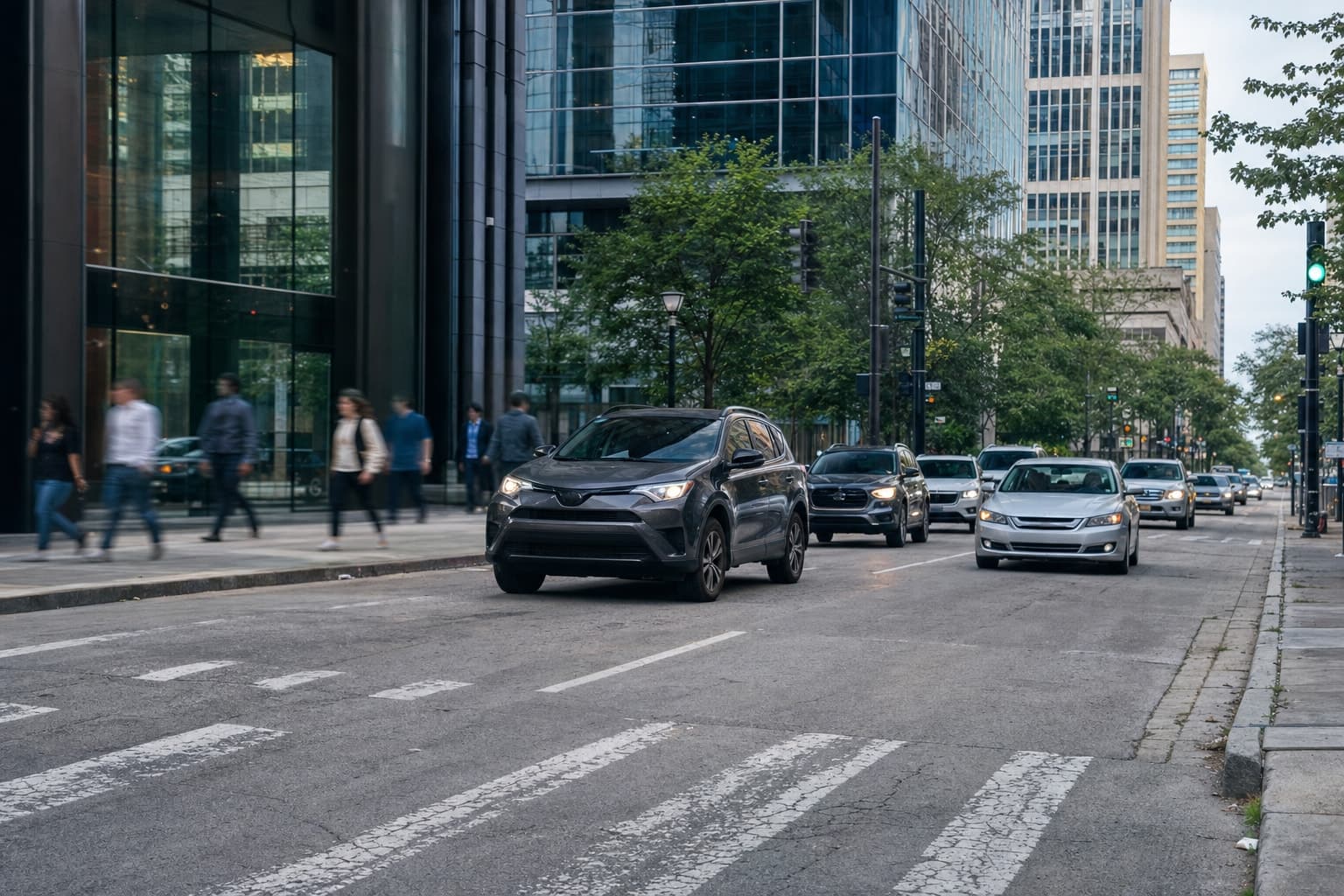
Traffic mix is the sharpest difference here: you are not just pricing a daily commute, you are pricing a car that may move between campus streets, medical corridors, retail parking lots, and fast regional connectors in the same week. That is why car insurance in Durham often deserves a closer look at how you actually use the vehicle, who drives it, where it is parked, and whether you carry passengers, equipment, or work materials. A household with one car used mostly for errands near downtown can present a different profile from a driver splitting time between Duke-area traffic, clinic visits, and trips across the Triangle. Durham also has a relatively strong local income base, so many drivers have more to lose from a thin liability limit after a serious crash. If your current policy still mirrors a bare-minimum mindset, this is a good place to review bodily injury limits, property damage limits, rental reimbursement, and uninsured motorist options before renewal.
North Carolina has a high climate risk rating. Top hazards: Hurricane (Very High), Flooding (High), Severe Storm (High), Tornado (Moderate). The state's expected annual loss from natural hazards is $2.8B, which influences car insurance premiums and may affect coverage availability in high-risk areas.
What Car Insurance Covers
Car insurance in North Carolina typically centers on liability, collision, comprehensive, uninsured motorist, medical payments, and rental reimbursement, but the right mix depends on how you drive and where you keep the vehicle. Liability coverage matters because the state requires commercial auto minimums for certain business uses, and personal drivers still need to verify the limits that fit their policy and lender expectations. Collision coverage can help with repairs after an auto accident, while comprehensive coverage is the part many North Carolina drivers review closely. Hurricane exposure, flooding, severe storms, and even winter ice events can create non-collision losses that make that portion of your policy genuinely useful. Uninsured motorist coverage deserves attention here because the state's uninsured driver rate is 7.4%, which is a real factor in local claim planning. Medical payments coverage can help with eligible medical expenses after a crash, and rental reimbursement can reduce disruption while your vehicle is being repaired. In North Carolina, coverage terms, endorsements, and pricing are reviewed under the North Carolina Department of Insurance, so policy details can vary by carrier, vehicle, and location. A policy that works for one driver in Raleigh may not be the same fit for someone driving near the coast or in a higher-theft corridor.
Coverage Included

Liability
Can help pay for injuries and property damage you cause to others in an accident, coverage most states require drivers to carry.
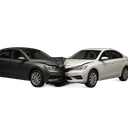
Collision
Can help pay to repair or replace your car after a crash with another vehicle or object, regardless of fault.

Comprehensive
Typically covers damage to your car from events other than collisions, such as theft, hail, fire, flooding, or hitting an animal.
Uninsured Motorist
May pay for your injuries and, in some states, car damage when an at-fault driver has no insurance or too little.

Medical Payments
Can help cover medical bills for you and your passengers after an accident, no matter who was at fault.
Rental Reimbursement
May pay for a rental car while your vehicle is in the shop for repairs after a covered claim.
Car Insurance Cost in Durham
Average Cost in North Carolina
$70 - $180
per month
In North Carolina, car insurance premiums typically run $70 - $180 per month, which tends to run 26% below the national range of $110 - $230 per month.
- Driving record and age
- Vehicle make, model, and year
- Location and commute distance
- Credit-based insurance score
- Coverage limits and deductibles
Contact CPK Insurance for a personalized quote.
Prices shown are general estimates, not guaranteed rates or quotes. Your actual premium will depend on the insurer, coverage selected, personal details, location, claims history, and other underwriting factors. Learn about our pricing methodology.
The average premium range for this coverage in North Carolina depends on coverage limits, deductible choices, claims history, location, policy endorsements, and the type of vehicle you insure. The state's 2023 auto accident data adds context that matters for your wallet. North Carolina recorded 268,000 total crashes and 1,680 fatalities in 2023. Fatal crashes tend to involve larger settlements, which is one reason carriers may price higher limits the way they do. If you carry only minimum liability, a severe accident could leave you personally responsible for costs beyond what your policy pays. Weather also affects pricing pressure, especially in places exposed to hurricanes, flooding, and severe storms. North Carolina's 137 disaster declarations show why comprehensive coverage can be a bigger part of the conversation here than in lower-risk states. Each declaration reflects real damage that drives claims, and that history feeds directly into what you pay for comprehensive protection. Local theft and crime trends can also influence your premium, especially where motor vehicle theft is elevated. Carrier competition is strong, which can help shoppers compare quotes but does not eliminate differences in how each carrier prices age, mileage, vehicle type, and coverage selection.
Industries & Insurance Needs in Durham
Durham County has 8,121 business establishments, with professional, scientific, and technical services at 16.2%, health care and social assistance at 12.3%, and retail trade at 11.4% of establishments. That county mix matters because many local drivers use one vehicle for both household errands and work-related movement, even if they do not think of themselves as commercial drivers. If you drive to client meetings, rotate between care sites, carry tools or samples, or make frequent retail runs, tell the agent exactly how the car is used. A policy priced for simple personal commuting can leave gaps if the vehicle is regularly tied to business activity. The practical step is to ask whether your use stays within a personal auto policy or whether you should review business-use wording more carefully.
What Affects Car Insurance Rates in Durham
Durham's local income profile changes the buying conversation more than it changes a base rate. Higher household income can mean newer vehicles, financed cars, and more assets worth protecting after an at-fault accident, so the lowest acceptable quote is not always the most durable choice. If your car is leased or still under a loan, review whether your deductible fits your emergency savings and whether collision and comprehensive still make sense for the vehicle's value. If you own a home, have savings, or regularly drive family members, ask for a quote that shows higher liability options side by side with your current limits. That comparison helps you see the cost of stepping up protection before a claim forces the issue.
What Makes Durham Different
Mixed-use driving is what changes the calculus here. In some places, a car is mostly a commuter box that sits parked the rest of the time. Around Durham, many drivers stack different uses into one week: neighborhood errands, campus access, medical appointments, retail stops, and occasional work-related trips across the county. That pattern can affect which coverages deserve attention, even when the state minimums are the same. The issue is not just mileage. It is where you drive, how often you park in shared lots, whether different household members use the same vehicle, and whether the car supports side work or client visits. A quote is more useful when it reflects those operating details up front. Before you buy, list your real weekly driving pattern, your usual parking setup, and any non-commute use so the policy can be reviewed against actual exposure instead of assumptions.
Our Recommendation for Durham
Start with a practical policy review, not just a price check. Confirm who drives the car, whether any household member uses it for school, care visits, or work errands, and whether your annual mileage estimate is still accurate. If your vehicle is financed, compare deductibles you could realistically absorb without borrowing after a loss. If you park in lots, garages, or shared residential areas, ask for a side-by-side quote with comprehensive and collision so you can judge the tradeoff clearly. Liability limits deserve special attention if you have savings, a home, or a newer vehicle on the road. If your driving includes client calls, transporting supplies, or repeated trips between work sites, say that plainly before binding coverage. The goal is a policy matched to how the car operates now, not how it was used two renewals ago.
Get Car Insurance in Durham
Enter your ZIP code to compare car insurance rates from carriers in Durham, NC.
Car insurance starting at $59/mo
FAQ
Frequently Asked Questions
Durham drivers should describe actual vehicle use, not just commute miles. If your week includes campus trips, medical visits, shared household driving, or occasional work errands, that detail can change which coverages and policy wording you should review.
Durham has a relatively strong local income base, so many households may have more assets and income to protect after a serious claim. That makes it sensible to compare higher liability limits against your current policy before renewal.
Durham County has 8,121 business establishments, so many residents use one car for both personal and work-related trips. If you visit clients, carry materials, or move between sites, ask whether your use still fits personal auto terms.
Durham County's establishment mix includes professional, scientific, and technical services at 16.2%, health care and social assistance at 12.3%, and retail trade at 11.4%. Those patterns often mean more mixed-purpose driving, which is worth disclosing before you buy.
In North Carolina, car insurance usually combines liability, collision, comprehensive, uninsured motorist, medical payments, and rental reimbursement. The right mix depends on how and where you drive.
You should confirm the policy terms that apply to your vehicle and whether any state-specific minimums or endorsements affect your quote. The state also notes commercial auto minimums of $50,000/$100,000/$50,000, raised effective July 1, 2025, for certain uses. That translates to $50,000 per person for bodily injury, $100,000 per accident, and $50,000 for property damage.
Pricing varies based on limits, deductibles, claims history, location, endorsements, and the vehicle you insure. Comparing quotes is the best way to find your actual range.
Collision is worth considering if you want help with accident-related repairs, while comprehensive can be especially relevant in North Carolina because hurricane, flooding, and severe storm risk are elevated in the state.
Sources
- 1.U.S. Census Bureau, County Business Patterns, Durham County(Durham County has 8,121 business establishments.; Leading business sectors in Durham County by establishment share are professional, scientific, and technical services 16.2%, health care and social assistance 12.3%, and retail trade 11.4%.)
Updated July 5, 2026