







































Updated July 16, 2026

Garage Keepers Insurance in Durham
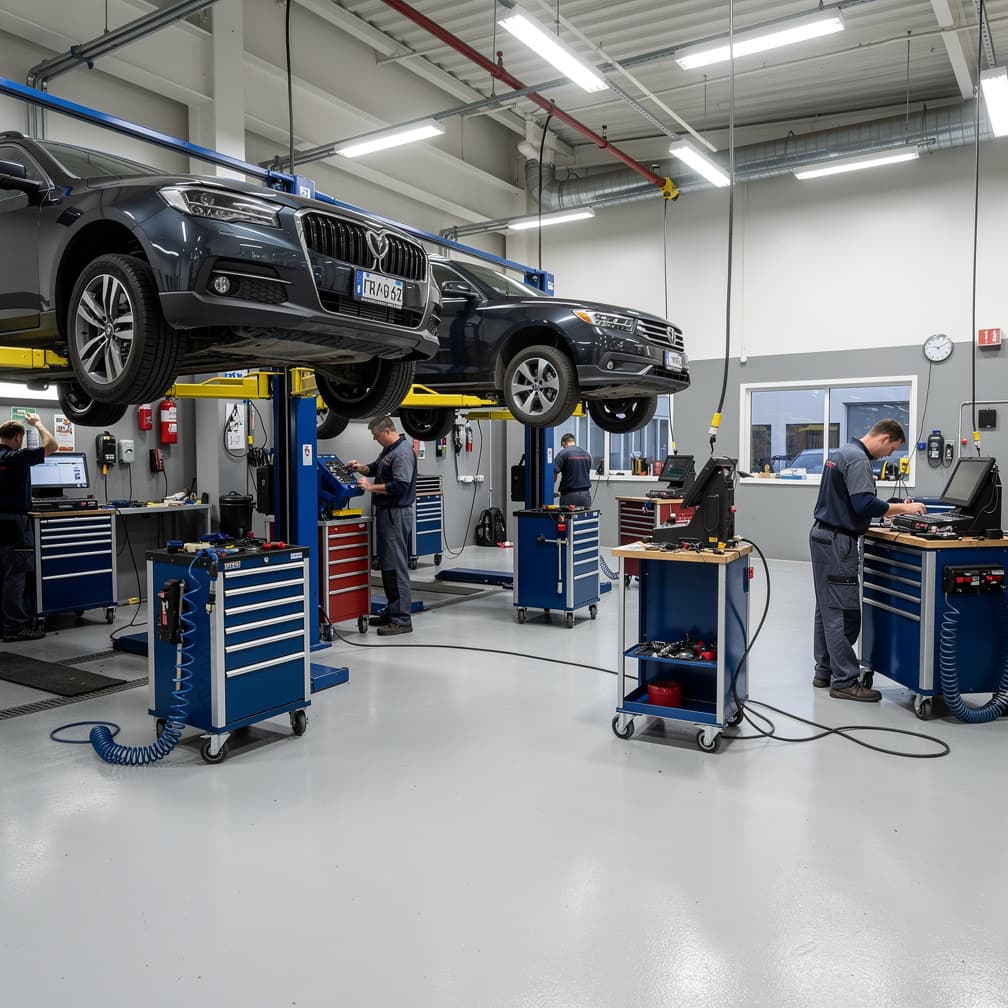
Do you need garage keepers insurance in Durham if you only keep customer cars for a day or two? Usually yes, because the local issue is not how long a vehicle stays, but how often your shop takes custody while juggling a dense mix of commuter, family, and work vehicles. Shops here often handle cars that cannot be out of service for long. Owners expect quick turnaround and secure storage while you wait on parts, approvals, or pickup. Your policy can help cover vehicles parked after hours and may address who moves them, whether keys are logged, and how overflow parking works when the lot fills up. Durham County has 8,121 business establishments, so your bays see a constant rotation of customer vehicles tied to work schedules and appointments. That makes damage to a customer vehicle more than a repair bill. It can also become a reputation problem for your shop.
Garage Keepers Insurance Risk Factors in Durham
Durham's top risk factors include Flooding, Hurricane damage, Coastal storm surge, and Wind damage.
North Carolina has a high climate risk rating. Top hazards: Hurricane (Very High), Flooding (High), Severe Storm (High), Tornado (Moderate). The state's expected annual loss from natural hazards is $2.8B, which influences garage keepers insurance premiums and may affect coverage availability in high-risk areas.
What Garage Keepers Insurance Covers
North Carolina buyers usually need to focus less on the basic definition and more on the situations that create disputes after a loss. A practical review starts with where vehicles spend time on your premises. If units sit in an open lot overnight, you should ask how the policy treats weather-related damage, falling objects, vandalism, and theft allegations tied to key control or perimeter security. If vehicles move between a service bay, overflow parking, and a fenced storage area, document that flow before you request terms.
This matters in North Carolina because the state sees several natural hazard patterns over the course of a year, and those conditions can affect whether vehicles are left inside, staged outside, or moved quickly before a storm. That does not change the core purpose of the policy, but it does change the questions an underwriter will ask about your lot layout, drainage, tree exposure, and overnight procedures. If your operation is near the coast, in a low-lying area, or in a corridor that sees severe weather, bring that up early so the quote reflects real storage conditions.
You should also review how your policy coordinates with the rest of your garage program. A claim can involve more than one issue at once, such as a customer vehicle damaged on site while your business also faces a separate premises allegation. Keep your application language consistent across garage liability, property, and any dealer or service-related coverages. Before binding, ask for a plain-language explanation of covered causes of loss, exclusions, deductibles, and whether your chosen basis fits how you want claims evaluated.
Coverage Included
Collision Coverage
Covers damage to customers' vehicles from collisions while in your care.

Comprehensive Coverage
Covers theft, vandalism, fire, and weather damage to customers' vehicles.
Specified Perils
Covers only specifically named perils at a lower premium.

Legal Liability
Covers damage you or your employees directly cause to a customer's vehicle.

Direct Primary
Pays regardless of fault, the broadest garage keepers coverage available.
Industries & Insurance Needs in Durham
Durham County business mix changes who leaves vehicles with you and how urgently they need them back. The county's leading sectors by establishment share are professional, scientific, and technical services at 16.2%, health care and social assistance at 12.3%, and retail trade at 11.4%, so a local shop often sees customer vehicles tied to scheduled work, patient care, deliveries, and daily commuting. That matters because downtime can raise the stakes on even a modest loss. A consultant may need a car for client visits the next morning, a health care worker may depend on reliable transportation for shifts, and a retail operator may need a van or pickup back on the road quickly. If your book includes business-use vehicles alongside personal autos, ask your agent to review how you store them, whether any are kept inside versus outside, and how your limits line up with the kinds of vehicles you regularly accept.
What Makes Durham Different
What sets Durham apart is how heavily local commerce depends on vehicles. In a market where many customers use their cars to get to appointments, shifts, and client work, a claim can escalate fast because the customer feels the loss immediately. The city's median household income is $79,234, so a customer bringing in a late-model SUV has more at stake financially than someone driving an older commuter car. If you park vehicles off to the side during a backlog, move them between bays several times a day, or leave some outside after closing, those details should be spelled out in the quote request. The more specifically you describe your custody, storage, and movement practices, the more accurate your quote will be.
Our Recommendation for Durham
Start with your handoff process. When you take keys at the counter, write down who logs the vehicle, where it is first parked, and what happens when pickup is delayed until the next day. Then walk your lot map with your agent and point out fenced areas, lighting, camera coverage, indoor storage, and any overflow spaces you use during busy weeks. If you serve a mix of personal autos and work vehicles, say that early. A scratched door on a personal sedan and a damaged cargo van used for a flooring business create different kinds of fallout. Make sure your current limits still fit the vehicles you regularly accept, especially if your shop has moved upmarket or now handles newer models more often. Your estimated maximum number of customer vehicles on site at one time, your after-hours parking routine, and any written key-control procedure all help produce a sharper quote.
Get Garage Keepers Insurance in Durham
Enter your ZIP code to compare garage keepers insurance rates from carriers in Durham, NC.
Business insurance starting at $25/mo
FAQ
Frequently Asked Questions
Durham shops often still review this coverage even for short stays, because the issue is custody of customer vehicles after drop-off, during repositioning, and while waiting for pickup. If cars remain on your lot after closing, ask for terms built around that routine.
Durham County has 8,121 business establishments, so your bays see a constant rotation of customer vehicles passing through local shops each week. That raises the practical fallout from a damaged auto, which is why your quote should reflect storage practices and vehicle-handling procedures.
Durham's economy leans heavily on professional services, health care, and retail, so a good share of the vehicles you service are tied to someone's workday. That mix can mean more vehicles tied to work schedules, so ask for limits reviewed against your usual customer mix.
Durham's median household income is $79,234, so a customer bringing in a late-model SUV has more at stake financially than someone driving an older commuter car. A consistent check-in process, parking record, and key log will help your coverage review match how claims would actually be documented.
Durham policyholders can contact the North Carolina Department of Insurance if they need regulator information or complaint channels. Clarifying custody, storage, deductibles, and limits before binding coverage is the smarter path for any buying decision.
Repair shops should strongly consider it whenever vehicles remain on site overnight, especially if units are parked outside or moved after hours. The key issue is your custody of the vehicle and whether your limits match the total value you could be holding.
Coastal weather can change how underwriters view outdoor storage, emergency relocation, and vehicle accumulation. If your lot is exposed to storm conditions, review how covered causes of loss, deductibles, and exclusions apply before you bind coverage.
Insurance questions are overseen by the North Carolina Department of Insurance. That matters if you want a state reference point while reviewing policy language, complaint options, or carrier responses during a disputed claim.
Sources
- 1.U.S. Census Bureau, County Business Patterns, Durham County(Durham County has 8,121 business establishments, so many local accounts depend on vehicles to keep appointments, reach job sites, or serve patients and clients.; The county's leading sectors by establishment share are professional, scientific, and technical services at 16.2%, health care and social assistance at 12.3%, and retail trade at 11.4%, so a local shop often sees customer vehicles tied to scheduled work, patient care, deliveries, and daily commuting.)
- 2.U.S. Census Bureau, ACS 5-Year Estimates, table B19013(Durham's median household income is $79,234, so some local customers may be especially focused on condition, handling, and repair documentation.)
- 3.North Carolina Department of Insurance(Durham policyholders can contact the North Carolina Department of Insurance if they need regulator information or complaint channels.)
Updated July 16, 2026





