







































Updated July 16, 2026

Inland Marine Insurance in Durham
Durham County has 8,121 business establishments. In practical terms, you are probably sharing premises, signing vendor agreements, and fielding proof-of-coverage requests more often than a business in a less dense market. Your property is not sitting at one insured address for long. Professional, scientific, and technical services account for 16.2% of those establishments, health care and social assistance 12.3%, and retail trade 11.4%. What that means day to day is your clients are offices, clinics, and shops, each with its own access rules and custody requirements. If you carry diagnostic devices, leased equipment, installation materials, display inventory, or client property, ask for item classes and transit scenarios to be scheduled clearly.
Inland Marine Insurance Risk Factors in Durham
Durham's top risk factors include Flooding, Hurricane damage, Coastal storm surge, and Wind damage.
North Carolina has a high climate risk rating. Top hazards: Hurricane (Very High), Flooding (High), Severe Storm (High), Tornado (Moderate). The state's expected annual loss from natural hazards is $2.8B, which influences inland marine insurance premiums and may affect coverage availability in high-risk areas.
What Inland Marine Insurance Covers
Inland marine insurance is built for business property that is not staying at one fixed address, so it is commonly used for tools, equipment, materials, and goods moving between job sites, customer locations, and temporary storage. The core coverage options include tools and equipment, goods in transit, contractors equipment, installation floater, and builders risk. North Carolina does not have a special inland marine mandate, but your specific trade and how large your operation is will dictate your needs, and policies are regulated by the North Carolina Department of Insurance.
In a state with hurricane exposure on the coast, flooding concerns in low-lying areas, and severe storm activity, businesses often review whether temporary storage, transit between locations, and job-site placement are all included. Those three exposure points are where mobile property claims tend to surface during storm season. Commercial property coverage can help protect items at a fixed location, but it does not follow gear that leaves the main premises in job trailers, service vans, construction sites, and offsite storage yards. Inland marine insurance is the fill-in for that mobile property.
Coverage Included
Tools & Equipment
Can help repair or replace hand tools, power tools, and gear that are stolen or damaged on the job or in transit.

Goods in Transit
May cover products, materials, and merchandise while they are being shipped or hauled between locations in your care.
Contractors Equipment
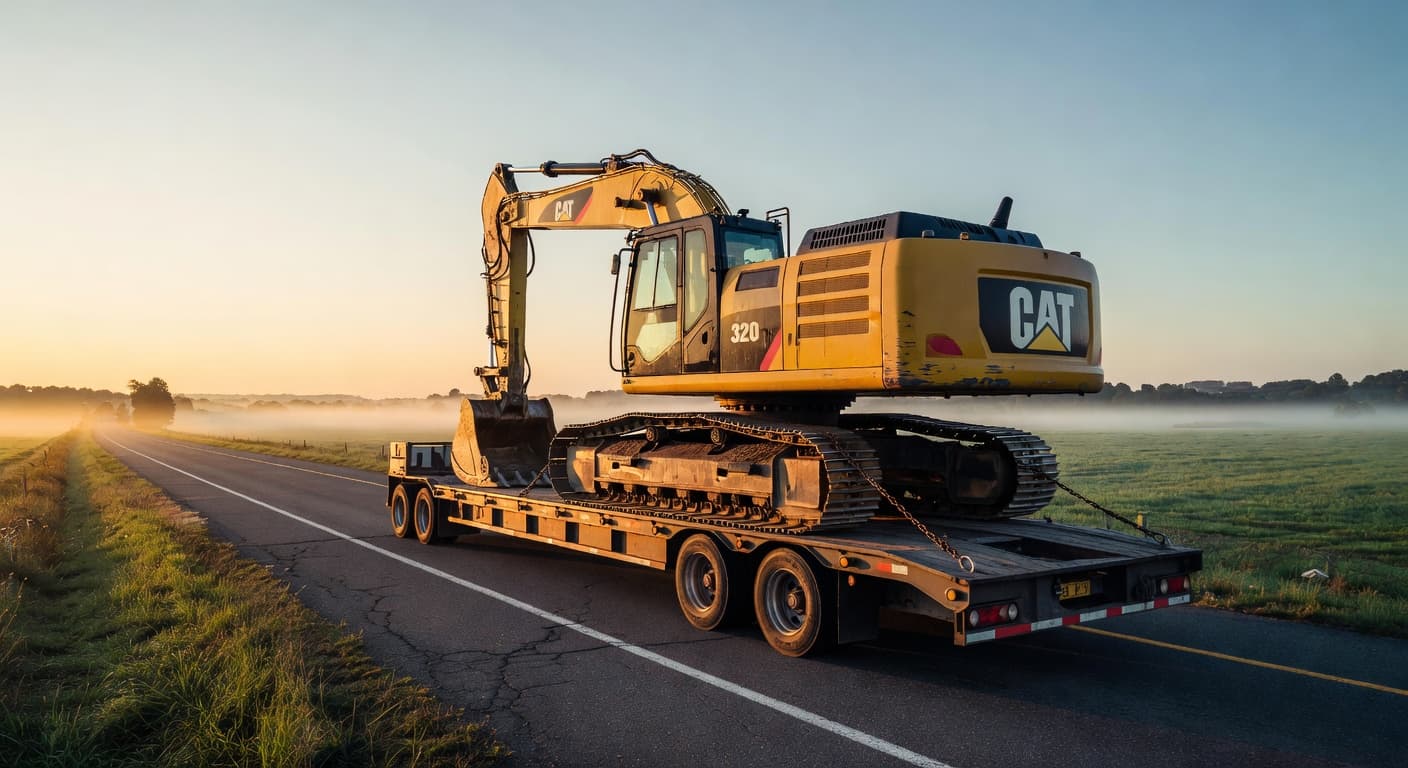
Typically covers heavy machinery like excavators, loaders, and generators against theft or damage at job sites and between them.

Installation Floater
Can help cover materials and fixtures from the moment you buy them until they are installed and accepted at a project.
Builders Risk
May cover a structure under construction, along with materials on site, against damage from fire, wind, theft, and vandalism.
Inland Marine Insurance Cost in Durham
Average Cost in North Carolina
$20 - $95
per month
Businesses in North Carolina typically see inland marine insurance premiums of $20 - $95 per month, which tends to run 4% below the national range of $20 - $100 per month.
- Total insured value of the scheduled property
- Type and age of the equipment
- Where it is stored and how far it travels
- Jobsite security and theft prevention
- Per-item limits and deductibles
- Prior theft and in-transit losses
Contact CPK Insurance for a personalized quote.
Prices shown are general estimates, not guaranteed rates or quotes. Your actual premium will depend on the insurer, coverage selected, business details, location, claims history, and other underwriting factors. Learn about our pricing methodology.
Monthly premiums often start from $20 to $95, though your actual cost depends heavily on your equipment schedule and risk profile. Hurricane risk is a major pricing factor here, especially for businesses operating near the coast, in flood-prone areas, or in counties that have seen repeated disaster declarations. Premiums also move with coverage limits, deductibles, claims history, location, industry or risk profile, and policy endorsements. A contractor storing gear in a coastal area may be rated differently from a service business inland.
A business with higher-value portable property, frequent transit, or job-site exposure may still see a wider range of prices. Because the state has a large small-business base, many policies are built around modest but important equipment schedules, where the cost depends heavily on how much property is actually moving. For the most accurate quote, carriers usually want a clear inventory, estimated values, storage practices, and the counties where the property is used.
Industries & Insurance Needs in Durham
Durham County's business mix changes who should look closely at inland marine. Professional, scientific, and technical services make up 16.2% of county establishments, health care and social assistance 12.3%, and retail trade 11.4%. So the exposure is often not bulk cargo, it is higher-value portable property, specialized instruments, demo units, stocked inventory, and customer items that travel between offices, treatment settings, events, and client locations.
That matters because underwriting usually turns on mobility, valuation, and custody. A consultant with laptops and presentation gear has a different schedule need than a medical service firm moving portable equipment, and both differ from a retailer taking inventory to pop-ups or off-site storage. Review whether your quote is built around unscheduled tools, scheduled equipment, installation floaters, or bailee-type exposures. If your operation touches client property even briefly, describe that handoff clearly so the form matches how your staff actually moves property during the week.
What Makes Durham Different
What changes the calculus here is density. Property often travels short distances many times rather than one long haul. That creates a coverage review that is less about distance and more about repeated loading, unloading, temporary storage, and shared custody during a normal workday.
The real question is whether the same item moves through several environments before it returns. Your equipment can move from vehicle to elevator to client suite to job site to storage room in a single afternoon, and each handoff creates a gap if nobody has agreed on who is responsible. With 8,121 establishments in the county, the odds rise that your gear sits on someone else's premises under their rules, not yours. Ask your agent to map the route your property takes, who signs for it, and whether values spike at certain stops. A generic property schedule tends to miss exactly those handoffs.
Our Recommendation for Durham
Build a property movement inventory rather than a generic equipment list. Separate what stays at your main location, what travels daily, what is left temporarily at another site, and what belongs to customers, vendors, or lessors. That gives you a cleaner way to request the right form for each category.
Match valuation to the property type. Portable electronics, specialized instruments, installation materials, and retail stock can age, depreciate, or be replaced very differently, so ask how losses are valued and whether any sublimits apply away from your premises. If your team works inside medical, office, or research-oriented settings, confirm how the policy treats property in transit, in a vehicle, and at temporary locations during setup or service work. Finally, if a landlord, client, or facility manager asks for proof of coverage before access is granted, request certificates and itemized schedules early so operations are not delayed while paperwork catches up.
Get Inland Marine Insurance in Durham
Enter your ZIP code to compare inland marine insurance rates from carriers in Durham, NC.
Business insurance starting at $25/mo
FAQ
Frequently Asked Questions
Yes, because the exposure comes from repeated short-distance movement and temporary custody, not the length of your route. If tools, instruments, stock, or customer property leave your insured location and pause in vehicles, temporary work areas, or another party's premises, that movement can create gaps a standard property policy may not address.
Professional, scientific, and technical services are 16.2% of establishments, health care and social assistance 12.3%, and retail trade 11.4%. In practice, your typical client site is an office, clinic, or store rather than a warehouse or job site, which changes what you carry and what you are asked to prove. Buyers in that environment tend to need portable equipment, stock, and client-property protection rather than fixed-site-only property.
You may, if property travels between offices, clinics, campuses, or customer locations. What drives the need is repeated short-distance movement and temporary custody, not whether you cross state lines.
With 8,121 business establishments in the county, many firms operate under leases, vendor approvals, and client-site access rules that require evidence of insurance. If your equipment or customer property enters another business's space, proof of coverage may be requested before work starts.
Yes, but the answer depends on policy terms and how the property is described. If you transport, store, repair, or install items owned by others, ask for that custody scenario to be reviewed explicitly.
It may cover mobile business property such as tools, equipment, materials, and goods that move between job sites, customer locations, or temporary storage. Your policy form, specific endorsements, and scheduled values drive the exact protection you receive.
It is designed to follow covered property away from a fixed business location, so offsite storage and job-site use can be included if the policy is written for those exposures and the carrier approves the location details.
Contractors, electricians, plumbers, landscapers, and other businesses that regularly move portable tools across job sites are common candidates, especially when equipment is stored in trailers, trucks, or temporary yards.
Sources
- 1.U.S. Census Bureau, County Business Patterns, Durham County(Durham County has 8,121 business establishments, so a lot of work happens through vendor visits, service calls, tenant improvements, deliveries, and short-term setups where property is not sitting at one insured address for long.; Professional, scientific, and technical services account for 16.2% of establishments, health care and social assistance 12.3%, and retail trade 11.4%.)
Updated July 16, 2026





