Updated July 16, 2026

Builders Risk Insurance in Greensboro
Retail trade is the largest business sector in Guilford County, accounting for 13.1% of establishments. Professional and technical services follow at 10.6%, with health care and social assistance at 10.1%. Together those three sectors make up roughly a third of the local market, which means most construction work here involves tenant improvements, medical office updates, storefront build-outs, and occupied-site renovations rather than isolated ground-up jobs. Your policy needs to account for construction sequencing, partial occupancy, and responsibility for materials once they reach the site. Guilford County has 14,342 business establishments. That volume translates into roughly one business for every 50 county residents, so owners, lenders, and landlords often expect clean documentation before work starts or funds are released. Certificate timing and named insured structure matter early. If your project touches an active retail strip, a professional office suite, or a medical property, request a quote that reflects your actual schedule and site conditions.
Builders Risk Insurance Risk Factors in Greensboro
Greensboro's top risk factors include Flooding, Hurricane damage, Coastal storm surge, and Wind damage.
North Carolina has a high climate risk rating. Top hazards: Hurricane (Very High), Flooding (High), Severe Storm (High), Tornado (Moderate). The state's expected annual loss from natural hazards is $2.8B, which influences builders risk insurance premiums and may affect coverage availability in high-risk areas.
What Builders Risk Insurance Covers
A ground-up residential build near the coast can raise different questions than an infill commercial renovation in Charlotte, Raleigh, or a smaller downtown corridor where buildings sit close together and deliveries are staged off-site. Your policy should track how property moves and where it sits before it becomes part of the work.
For many projects, the practical issue is not the basic structure description. It is whether you need to schedule temporary works, stored materials, items in transit, or soft cost-related endorsements if a covered loss interrupts the timeline. If your framing package is delivered early and held at a separate yard, or specialty fixtures are waiting for installation while another trade finishes, you want those logistics discussed before binding. If you are renovating an older building, ask how the policy distinguishes between covered work and the original structure, and whether debris removal, pollutant cleanup, or ordinance-related rebuilding issues should be reviewed.
North Carolina also has a single named insurance regulator, the North Carolina Department of Insurance. This means the forms and endorsements filed for use here are what you should be comparing, not generic national templates. Hand over the plans, contract, draw schedule, and a list of high-value materials that will be stored away from the site or installed late in the project.
Coverage Included
Structure Coverage
Covers the building or structure under construction.
Materials on Site
Covers building materials stored at the construction site.

Materials in Transit
Covers materials being transported to the job site.
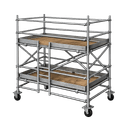
Temporary Structures
Covers scaffolding, fencing, and temporary buildings.

Soft Costs
Covers additional expenses from construction delays due to covered losses.

Equipment Coverage
Covers permanently installed fixtures and equipment.
What Makes Greensboro Different
Occupied commercial renovation drives most builders risk decisions here. Guilford County's business mix leans toward retail, professional services, and medical operations. Because that concentration means many projects involve improving space that already has tenants, staff, or customers nearby, the conversation goes beyond completed value. You need to think about separation of covered property, security between workdays, and how materials are staged without disrupting ongoing operations. It also affects contract review. A landlord may want coverage aligned with lease obligations, while a lender may want the insured parties and loss payable structure set up before draws continue. If you are renovating a storefront, office, or medical space, review whether the policy is written for the full project value, whether existing structure is addressed where appropriate, and whether soft cost or delay-related options fit your timeline.
Our Recommendation for Greensboro
Start with the project type, not the address. A shell renovation for a future tenant, a live retail build-out, and a medical office upgrade can all sit a few blocks apart and still need different builders risk terms. Ask your agent to walk through building ownership, funding sources, who should be named on the policy, and when coverage should begin for materials in transit or at the site. If the job is in an occupied property, bring the construction contract and draw schedule into the quote conversation early. That helps surface gaps around phased turnover, change orders, and responsibility for owner-furnished items before they become a claim. Greensboro's median home value is $221,300. Put differently, a typical residential build or substantial remodel here can put over $200,000 of property value at risk during construction, so even smaller projects warrant careful policy review. Before binding, compare the covered property definition, valuation method, exclusions, and any optional delay or soft cost features against the way your job will actually unfold.
Get Builders Risk Insurance in Greensboro
Enter your ZIP code to compare builders risk insurance rates from carriers in Greensboro, NC.
Business insurance starting at $25/mo
FAQ
Frequently Asked Questions
Yes. Storefront renovations often involve occupied neighboring tenants, limited staging space, and phased access that a ground-up build does not face. Those conditions can affect how the policy handles materials, temporary storage, and liability for existing structure.
Bring the construction contract, project budget, draw schedule, and occupancy details. Greensboro office and medical build-outs are common enough that insured party structure and sequencing matter from the first conversation, not as an afterthought.
With roughly one business for every 50 residents, many local projects involve landlords, lenders, tenants, and contractors who all want documentation before access or funding moves forward. That makes certificate timing, insured party setup, and contract alignment part of the buying decision itself.
A typical Greensboro residential build or remodel can put over $200,000 of property value at risk during construction. As project value rises, a loss during construction can affect loan draws, contractor scheduling, and your out-of-pocket exposure if the policy terms are too narrow.
The buyer is usually the party the contract makes responsible for insuring the project, often the owner or general contractor. Review the agreement first, then confirm named insureds, lender interests, and property responsibilities before binding.
Off-site materials may be addressed, depending on your policy terms and how the storage arrangement is disclosed. If you use supplier yards or temporary warehouses, list those locations early so the quote reflects them.
Renovation projects are often worth a close review because the key issue is how the policy may treat new work inside or attached to an existing structure. Ask for clear wording on that boundary before you buy.
Coastal projects often require closer underwriting review because weather exposure, delivery timing, and water intrusion controls can change the loss profile. Bring the schedule, site protections, and materials plan into the quote discussion from the start.
Sources
- 1.U.S. Census Bureau, County Business Patterns, Guilford County(Retail trade is the largest business sector in Guilford County, at 13.1% of establishments, with professional, scientific, and technical services at 10.6% and health care and social assistance at 10.1%.; Guilford County has 14,342 business establishments.)
- 2.U.S. Census Bureau, ACS 5-Year Estimates, table B25077(Greensboro's median home value is $221,300.)
Updated July 16, 2026