







































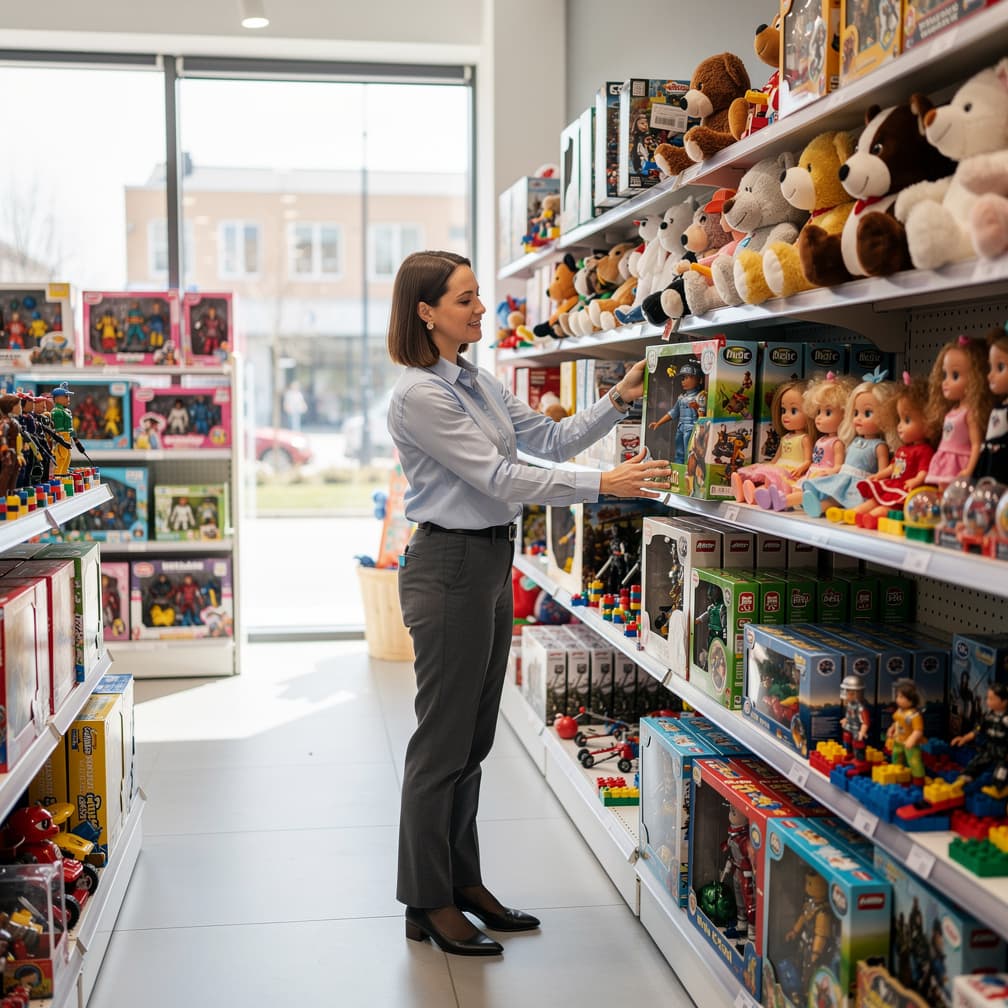

As a toy store in Greensboro, you run a business where the customers are children and the merchandise begs to be touched. That combination is what an underwriter sees: open aisles, low shelves, product in small hands, and a parent nearby looking at a phone. Slips, tipped displays, and a cut from a floor sample are the everyday claims, and they are why toy store insurance in Greensboro leans on liability before anything else. The building still matters, because stock burns and water ruins boxes faster than it ruins fixtures. What you decide today is a limit and a deductible, not a product. Everything below is aimed at those two numbers and at the paperwork that proves them.
What Makes Greensboro Different
Hiring your first clerk changes your obligations more than adding a second cash register ever will. Payroll creates a workers' compensation question the day it starts, and the rules vary from state to state. The North Carolina Department of Insurance publishes the current requirements for employers, and that is the place to check yours. Family members, part-timers, and a teenager stocking shelves may each be treated differently under those rules. Guessing is expensive, because an uninsured employee injury is a bill with no limit sitting above it. A clerk in Greensboro who falls off a ladder is a claim whether or not you bought a policy. Ask what your payroll would cost to insure before you decide what the staffing schedule looks like. The number is smaller than most owners fear and far smaller than an argument with an injured employee.
Local Risk Factors in Greensboro
Flood water arrives from the ground up, which is the worst direction for a store that stacks boxed stock on bottom shelves and keeps pallets in the backroom. Cardboard wicks, labels run, and a soaked carton makes a working toy unsellable even when nothing inside it broke. Commercial Property may respond to water that falls from a burst pipe overhead, and the same form typically excludes flood pushing in from outside. That gap is where owners get hurt, because the two losses look identical on the floor. Separate flood coverage is written and priced on its own, and putting it in place takes time you will not have once a storm has a name. Ask what a policy in North Carolina says about water entering at street level before a wet season tests it in Greensboro.
What Coverage Does a Toy Store in Greensboro Need?
General Liability
A landlord, a mall office, or an event host asking for proof of coverage is asking about this line. It is the one most likely to answer when a customer is hurt on your floor, or when a toy you sold injures somebody weeks later, subject to your limit and the form's exclusions. Damage to your own stock lives elsewhere.
Example: A four-year-old pulls a stacked display of board games down on herself while her father is at the register, and a demand letter with clinic bills follows six weeks later. That claim could fall to your per occurrence limit.
Commercial Property
Flood and slow wear typically sit outside it, and so does stock that simply is not there at count time. What it is built around is sudden damage to the space you occupy, your fixtures, and the inventory inside: fire, storm, a burst pipe, a break-in through the front door. Lost income is often attached to the same form.
Example: Wind lifts a corner of the roof overnight and rain reaches four pallets of boxed stock before anyone opens up. The ruined inventory and the ceiling repair might both land inside this form, after the deductible.
Workers Compensation
Payroll is the rating base, and staff are the reason to carry it. A clerk who falls off a ladder reaching for a top shelf, or strains a back unloading a pallet, travels this road rather than the liability one. Whether a sole owner is included is a choice made when the policy is written. It has nothing to say about a customer's injury.
Example: A seasonal hire steps off a stool holding a boxed playset, twists an ankle, and misses three weeks of shifts. Medical bills and a share of the lost wages are what this line is meant to handle.
Business Owners Policy
Buying the liability and property pieces separately works. For a small shop, this bundles them into one form, one bill, and one renewal date, commonly with lost income attached. Sublimits are the catch: property of others, signage, and equipment breakdown can each be smaller than an owner assumed, so read those numbers before the price.
Example: A fire in a Greensboro storefront takes the fixtures, the backroom stock, and six weeks of trading. One form can be written to answer for the property and the lost income together, subject to its limits.
How Much Does Toy Store Insurance Cost in Greensboro?
Toy Store Insurance is a bundle of separate policies, priced separately. The ranges below are typical figures for Greensboro for each line, except workers compensation, which is rated per $100 of payroll; a quote prices each one against your own operations.
| Coverage | Typical range | What moves your price |
|---|---|---|
| General Liability Insurance | $45 - $140 per month | Industry and risk classification, annual revenue, number of employees |
| Commercial Property Insurance | $65 - $200 per month | Building value and construction type, roof age and condition, fire protection class |
| Workers Compensation Insurance | $0.75 - $2.74 per $100 of payroll | Employee classification codes, total annual payroll, experience modification rate |
| Business Owners Policy Insurance | $70 - $200 per month | Annual revenue and industry class, building and contents values, square footage and building age |
Prices shown are general estimates, not guaranteed rates or quotes. Your actual premium will depend on the insurer, coverage selected, business details, location, claims history, and other underwriting factors. Learn about our pricing methodology.
What Are the Insurance Requirements for a Toy Store in Greensboro?
Workers' comp is generally required once you have 3 or more employees. North Carolina generally requires employers to carry workers' compensation at that point. Common exemptions include sole proprietors, partners, and LLC members. Confirm current thresholds with your state's workers' compensation agency before you hire.
Flood damage is typically excluded from standard policies. Standard commercial property and builders-risk-type policies typically exclude flood damage. Flood exposure varies address by address, so check your premises in FEMA's Flood Map Service Center before deciding; if you sit in a mapped flood zone, a separate policy through the National Flood Insurance Program is the usual starting point.
Where to verify licensing and coverage rules. The North Carolina Department of Insurance publishes consumer guidance and current insurance requirements for North Carolina businesses. When a contract or lease demands specific wording, the North Carolina Department of Insurance's guidance is the authoritative place to check.
Get Your Toy Store Quote in Greensboro
Compare rates from multiple carriers. Free quotes, no obligation.
Operating in Greensboro
- Shoplifting rarely looks like a break-in, and stock that goes quietly missing from a Greensboro shop is the kind of loss most property forms decline to treat as theft at all.
- Suppliers can require an authorized dealer in North Carolina to carry stated limits, and that clause lives inside a dealer agreement most owners sign once and never reopen.
- A parent's phone camera is part of every claim file now, so the photographs you take of the aisle before anything gets moved are the ones that balance the account.
- A school or library in Greensboro that invites you to sell at an event can ask to be named on your policy, and that request always arrives with a deadline attached.
How to Buy: Advice for Greensboro Owners
Compare structures, not only numbers. Two quotes at the same limit can differ on defense costs, on the deductible for stock, on whether a play area is described at all, and on whether the carrier is admitted in North Carolina or writing surplus lines. Ask which it is, because the paperwork, the taxes, and the backstop if a carrier fails are not the same. Ask what is excluded rather than what is included, since the exclusions are where a toy store's real questions live, from mysterious disappearance of inventory to a product recall. A Business Owners Policy priced under a stack of separate lines may simply be carrying smaller sublimits than a standalone Commercial Property form would. Check the North Carolina Department of Insurance's guidance before deciding which structure suits you. CPK holds participating carriers' quotes side by side so those differences show up before you buy rather than after.
FAQ
Toy Store Insurance in Greensboro: FAQ
Price follows the things that create claims: how many people walk your floor, what you sell, whether children can climb or ride anything, and what you have claimed before. Square footage matters less than owners expect. Your limit and deductible choices move the number too, as does whether the store is new or has years of clean history behind it. Two participating carriers in North Carolina can read the same submission and land in different places, so one quote tells you very little.
Anyone with something to lose if you cause a loss. A landlord in Greensboro can require one before handing over keys, a lender can require one before releasing money for fixtures, and a school or fair board can require one before letting you set up a booth. Each may also want to be added as an additional insured, which is an endorsement rather than a line typed onto a certificate. Get the wording in writing and pass it to whoever prepares your quotes.
That is the claim General Liability is built around: bodily injury to a customer on your premises. It could respond to medical bills and to a lawsuit, subject to your limit, your deductible, and what the form excludes. Two things decide how it actually goes. The first is your per occurrence limit, since an injury to a child can outrun a small one. The second is the file you built that same day: photographs of the aisle, an incident note, and the names of whoever was working.
Goods sold are usually handled inside a general liability form, which can respond when something you sold injures somebody later. The shop gets named because the shop sold it, even though you did not make it. Ask two questions before leaning on that. Whether your suppliers list you on a vendor endorsement, and whether the form treats items you imported or private-labeled differently from items bought through a distributor. Importing moves you closer to the manufacturer's side of the argument.
Rarely in the way owners hope. Pulling stock is a cost rather than physical damage, and Commercial Property is generally written around damage to property, so boxes you may no longer sell can fall outside it. Recall expense is sold separately where a carrier offers it at all. The injury side is a different route: if a recalled item hurt somebody, that is a liability question rather than a stock question. Ask about both before a notice lands.
Not until renewal, under most forms. The per occurrence figure is what a single injured child's claim can reach, while the aggregate is the pot every claim that year drinks from. A slip at the demo table in one week and a product argument over a scooter in another are both drawing on that same pot, so the second one meets whatever the first left behind. Ask whether legal defense spends it as well, since a long product fight can drain money you meant for medical bills.
Sources
- 1.North Carolina Department of Insurance(North Carolina Department of Insurance publishes consumer guidance for insurance buyers.)
- 2.FEMA / FloodSmart(Flood coverage is typically purchased separately; FEMA administers the National Flood Insurance Program.)


