








































Updated July 16, 2026

Commercial Truck Insurance in Greensboro
Retail trade is the biggest establishment sector in Guilford County at 13.1%, ahead of professional and technical services at 10.6% and health care at 10.1%. In practical terms, roughly one in eight local employers sells goods directly to the public, which keeps replenishment runs and last-mile delivery in steady demand. Store restocking, medical deliveries, and short regional runs each create distinct routes, schedules, and cargo profiles rather than a single freight pattern. That matters when you shop for your policy, because a box truck serving retail stops, a contractor pickup towing equipment, and a van making health-related deliveries can share a ZIP code while carrying very different liability, cargo, and downtime exposure. In a county with a large business base, you are also more likely to be asked for certificates quickly by shippers, property managers, and commercial customers before work starts. A strong quote begins with how your vehicles actually work on a typical day, from garaging and driver schedules to loading practices and whether a single route crosses from dense commercial corridors into surrounding county roads. You may want to bring your current declarations page, vehicle list, driver information, and any contract insurance requirements so you can compare terms without guessing.
Commercial Truck Insurance Risk Factors in Greensboro
Greensboro's top risk factors include Flooding, Hurricane damage, Coastal storm surge, and Wind damage.
North Carolina has a high climate risk rating. Top hazards: Hurricane (Very High), Flooding (High), Severe Storm (High), Tornado (Moderate). The state's expected annual loss from natural hazards is $2.8B, which influences commercial truck insurance premiums and may affect coverage availability in high-risk areas.
What Commercial Truck Insurance Covers
Commercial truck insurance in North Carolina is built around the way your trucking operation actually works, not a one-size-fits-all auto policy. The core coverages available here include motor carrier liability, physical damage, cargo coverage, trailer interchange, bobtail coverage, and non-trucking liability. Motor carrier liability is the foundation for freight-hauling risk, while physical damage coverage helps protect the tractor or trailer itself after a covered loss.
Cargo insurance is especially relevant if you move freight that could be damaged, stolen, or lost in transit. Trailer interchange matters if you use trailers that belong to another party under an agreement. Bobtail coverage can matter when a truck is being driven without a trailer, and non-trucking liability is designed for off-dispatch use. North Carolina businesses are regulated by the North Carolina Department of Insurance, so policy terms, endorsements, and carrier filings should be reviewed carefully before binding. The state does not replace federal trucking rules, but your coverage still needs to line up with your operation, your contracts, and any shipper or broker requirements.
Many freight operations need limits above the federal minimums, and the right endorsement structure depends on whether you run long haul, regional delivery, or local hauling. A one-truck owner-operator near Fayetteville may need a different setup than a fleet serving the Port of Wilmington or distribution centers in the Charlotte metro area.
Coverage Included

Motor Carrier Liability
Can help cover injuries and property damage your truck causes to others, a coverage federal regulators require most for-hire carriers to maintain.
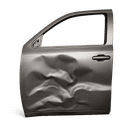
Physical Damage
Can help pay to repair or replace your own truck after an accident, fire, theft, or vandalism.
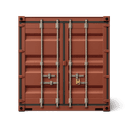
Cargo Coverage
May pay for damage to or theft of the freight you are hauling while it is in your care.
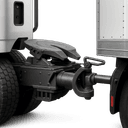
Trailer Interchange
Can help cover damage to trailers you haul under an interchange agreement but do not own.
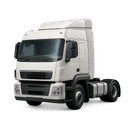
Bobtail Coverage
May provide liability protection when you drive your tractor without a trailer attached, such as after dropping off a load.

Non-Trucking Liability
Can help cover accidents that happen when you use your truck for personal errands rather than dispatched work.
Commercial Truck Insurance Cost in Greensboro
Average Cost in North Carolina
$360 - $950
per month
Businesses in North Carolina typically see commercial truck insurance premiums of $360 - $950 per month, which tends to run 14% below the national range of $400 - $1,125 per month.
- Radius of operation
- Commodities hauled and cargo value
- Number and value of power units
- Driver motor vehicle records and CDL experience
- DOT safety record, inspections, and FMCSA scores
- Liability limits and physical damage deductibles
Contact CPK Insurance for a personalized quote.
Prices shown are general estimates, not guaranteed rates or quotes. Your actual premium will depend on the insurer, coverage selected, business details, location, claims history, and other underwriting factors. Learn about our pricing methodology.
Location matters because hurricane exposure, flooding, and severe storms can affect how carriers view a route or garaging area, especially for trucks operating near the coast or through storm-prone corridors. The state's overall premium index of 96 suggests pricing is close to the national average, but that does not mean every trucking account will price the same.
Several state factors can push pricing up or down. North Carolina has a large field of active insurance companies competing for business, which gives trucking buyers more carrier options to compare. However, the state also has elevated auto accident loss patterns, including a fatal crash rate of 1.52, 268,000 total crashes, and an average claim cost of $19,093 in 2023. Those conditions can influence underwriting for truck liability, especially for fleets with prior losses or frequent urban mileage. Cargo-heavy operations, long-haul lanes, and policies with higher limits or lower deductibles generally cost more than basic placements. Endorsements such as trailer interchange, bobtail coverage, and non-trucking liability can also affect the final premium.
If you are requesting a quote, expect carriers to review your routes, vehicle types, cargo class, claims history, and where your trucks are kept when not in service. Because the state's market is competitive and the premium index is near average, comparing multiple carriers is especially important before you bind coverage.
What Makes Greensboro Different
Greensboro-area trucking is not just long-haul freight passing through. Many operators are supporting retail locations, professional service firms, and health-related businesses, which means more frequent stops, tighter delivery windows, and more time spent loading, unloading, backing, and navigating commercial parking lots.
Those operating patterns can change where losses happen and which coverage details are worth examining closely. A day built around repeated stops may call for a quote that separates hired and non-owned auto questions, loading exposure, cargo handling, and physical damage deductibles instead of treating every unit like the same route truck. Serving multiple business clients also makes certificate speed a practical issue, not just paperwork. You may want to review how fast endorsements and certificates can be issued before you bind, especially if your contracts change week to week.
Our Recommendation for Greensboro
You can start by matching each vehicle to its real job, not to a generic fleet label. A contractor truck that tows equipment, a delivery van on repeated retail stops, and a straight truck carrying higher-value goods each carry different liability, cargo, and downtime exposures that usually benefit from being reviewed separately. When your customers are businesses, you may want to ask to see sample certificate wording before you buy, because contract language can create delays after the quote is done.
Greensboro buyers may also want to review garaging, overnight parking, and driver radius carefully if routes shift between city streets, commercial districts, and surrounding county roads during the same week. An updated driver list, VIN schedule, and any lease or shipper requirements kept together can help you re-quote cleanly at renewal. Greensboro median household income is $58,884, which means many local households have limited room to absorb an unexpected expense, so a business owner billing those customers may face tighter payment timelines. For a small operation whose revenue depends on one or two trucks, even a modest deductible can tie up cash that would otherwise go to payroll or fuel. Consider deductibles that may be manageable without interrupting payroll or deliveries.
Get Commercial Truck Insurance in Greensboro
Enter your ZIP code to compare commercial truck insurance rates from carriers in Greensboro, NC.
Business insurance starting at $25/mo
FAQ
Frequently Asked Questions
Greensboro routes often involve repeated stops for retail, service, and health-related customers, not just highway miles. That stop-and-go pattern can change liability, cargo handling, and physical damage exposure, and a quote built around loading activity, parking conditions, and delivery radius may better reflect what your drivers actually face.
Guilford County has 14,342 business establishments. With that many potential shippers, property managers, and commercial customers in one county, certificate requests and contract changes tend to arrive often. Endorsement handling, additional insured requests, and proof-of-coverage turnaround are worth reviewing before you bind.
Your vehicles should be quoted by use, not just by size. A box truck serving retail stops and a contractor truck towing equipment can face different cargo, trailer, and jobsite exposures, so separate vehicle-level details usually produce a more useful comparison.
Greensboro sits in Guilford County, where retail trade leads the establishment mix, followed by professional services and health care. That mix keeps short-run, appointment-driven delivery and service traffic moving year-round, which is worth reflecting in radius, loading, and downtime discussions.
A deductible that looks reasonable on paper can still tie up operating cash if a truck is sidelined for weeks. A figure your business can handle without delaying repairs, payroll, or substitute transportation is usually a safer starting point than simply picking the lowest premium.
In North Carolina, this policy may offer motor carrier liability, physical damage, cargo coverage, trailer interchange, bobtail coverage, and non-trucking liability insurance, depending on how your trucks are used.
North Carolina businesses are regulated by the North Carolina Department of Insurance, and commercial auto minimums are 30/60/25, but freight operations may need higher liability limits based on federal rules or shipper contracts.
Cost depends on your liability limits, deductibles, claims history, location, freight type, and endorsements. Your routes and garaging locations also matter, especially if your trucks operate in areas with hurricane, flood, or severe-storm exposure that can influence underwriting.
Sources
- 1.U.S. Census Bureau, County Business Patterns, Guilford County(Retail trade is the biggest establishment sector in Guilford County at 13.1%, ahead of professional, scientific, and technical services at 10.6% and health care and social assistance at 10.1%.; Guilford County has 14,342 business establishments.)
- 2.U.S. Census Bureau, ACS 5-Year Estimates, table B19013(Greensboro median household income is $58,884.)
Updated July 16, 2026





