


































Updated July 10, 2026

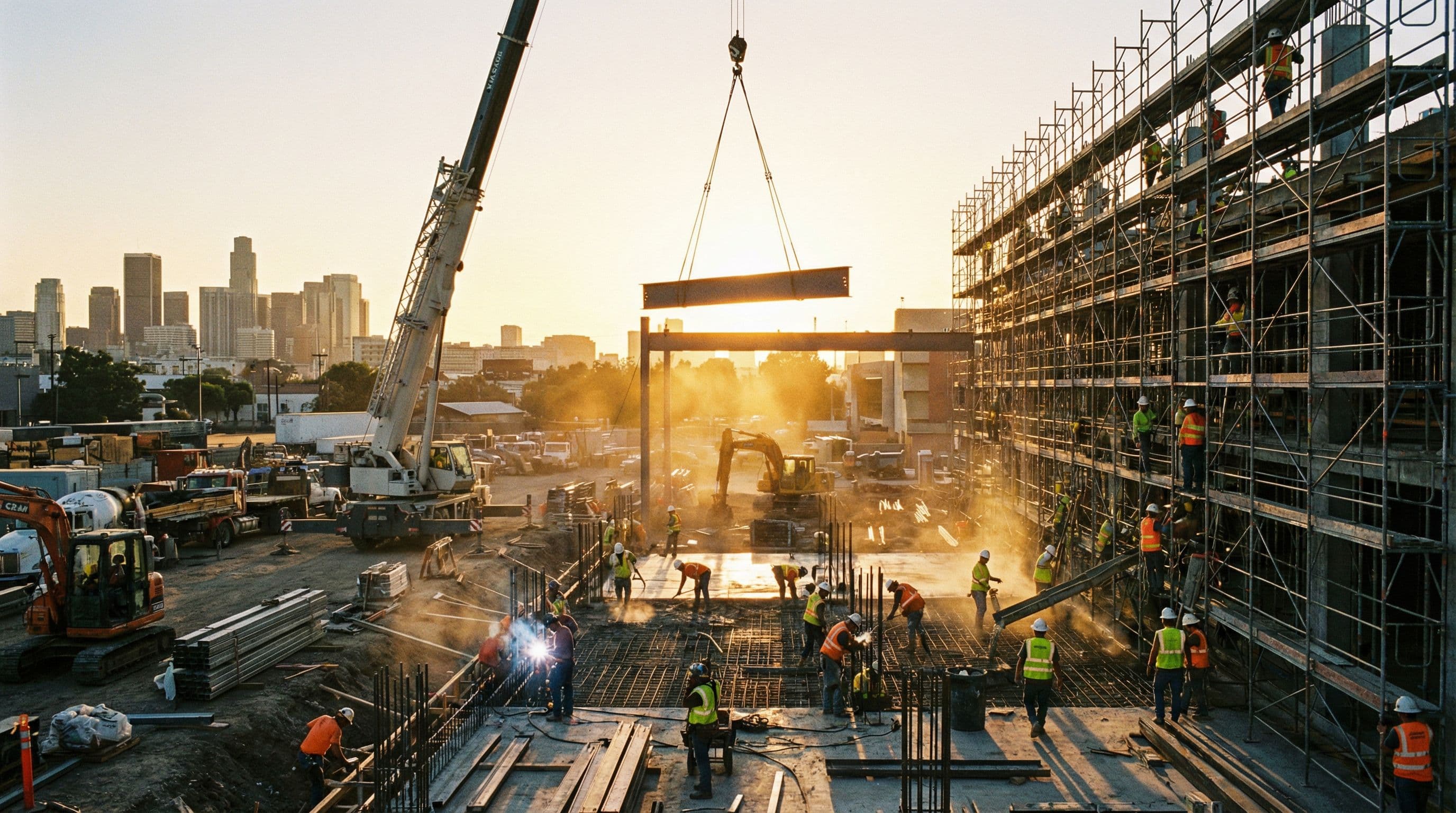
A structure under construction in North Carolina is at its most exposed before it is finished: open framing, no roof, and materials stacked on site. One rule in North Carolina is set by statute, since workers compensation coverage is required once a business reaches 3 employees [1]. North Carolina weather adds a second layer, with hurricane exposure showing up in property deductibles and terms before it shows up in premium. The sections below break down those cost drivers and the coverage that answers each.
Recommended Coverage for Builders Risk / Construction Support in North Carolina
Builders Risk / Construction Support businesses face unique risks that require specific coverage types. Here are the policies most builders risk / construction support operations need:

General Liability
Essential coverage for every business, protect against third-party bodily injury, property damage, and advertising claims.

Commercial Property
Safeguard your business property, equipment, and inventory against damage and loss.

Inland Marine
Protect tools, equipment, and goods in transit or stored at locations away from your primary premises.

Workers Compensation
Help cover your employees' medical expenses and lost wages for work-related injuries and illnesses.

Commercial Umbrella
Extend your liability limits beyond your primary policies for extra protection against catastrophic claims.
Builders Risk / Construction Support Insurance Overview in North Carolina
A project in North Carolina can move from framing to finish work while hurricane season, coastal wind, and fast-changing jobsite conditions all compete for attention. The specifics of your project drive the outcome. Work across the state carries distinct theft exposures, staging needs, and weather timing depending on where your jobsite sits. Your policy should reflect the completed value, the build schedule, and whether the site is occupied during renovations.
North Carolina construction spending grew about 9% in 2024, which means more active jobsites competing for the same subcontractors and materials. That pace can tighten schedules and push costs higher if you are not prepared. Workers' compensation rules apply when a business has 3 or more employees. Sole proprietors, partners, LLC members, and farm laborers have specific exemptions, so check where your operation falls. For owners, contractors, and developers, the goal is to align the policy with the jobsite, the materials, and the timeline before work gets underway.
Why Builders Risk / Construction Support Businesses Need Insurance in North Carolina
North Carolina's construction environment creates real exposure for projects that are still under way. The state faces very high hurricane risk, along with high flooding and severe storm exposure plus moderate tornado activity. Open structures, roof work, framing, exterior materials, and projects where weather can interrupt progress or damage work already installed are all affected by these conditions.
Your policy is shaped by where the project sits, what kind of building is going up, and how materials move between the site, a storage yard, and suppliers. Jobsite traffic, staging, and subcontractor coordination can change project exposure quickly, especially in active markets.
For renovation coverage, occupied sites may need special attention because work in progress can be treated differently when tenants or owners remain in place. For new construction, the completed value, project duration, and fire protection can all affect how the policy is structured. Many projects also pair builders risk coverage with inland marine, general liability, and workers' compensation so the program reflects materials in transit, jobsite liability, and workforce needs in one place. Pairing these coverages can help close gaps when a loss affects structures under construction, stored materials, or the schedule itself.
North Carolina requires workers' comp for businesses with 3+ employees (exemptions may apply: Sole proprietors; Partners). Non-compliance can result in fines and personal liability for owners. Commercial auto minimums are $50,000/$100,000/$50,000.
Key Risks for Builders Risk / Construction Support Businesses
Each of these risks can lead to claims that cost thousands, or more. Make sure your policy addresses every one:
- Damage to structures under construction
- Theft of building materials
- Weather-related project delays
- On-site worker injuries
- Subcontractor default
Cost Factors for Builders Risk / Construction Support Businesses in North Carolina
Cost in North Carolina is shaped by the project's completed value, construction type, length of the build, and the materials involved. A wood-frame renovation may be priced differently than a ground-up commercial project with steel, concrete, and multiple subcontractors. The premium index for North Carolina is 96 in 2024, which tells you the state sits just below the national baseline for pricing. That slight discount can add up on a long, high-value build. Work near the coast may face more hurricane exposure, while inland jobs can still be affected by severe storms, theft, and weather-related delays.
Insurers often look at fire protection, site security, storage practices, and whether the property is occupied during construction. That is especially relevant in active markets where project timing, labor coordination, and materials handling can change from one job to the next. Many projects are managed by smaller contractors, owners, or developers who need coverage that fits the contract and the jobsite.
Be ready to share the project address, build type, estimated start and finish dates, and whether you need materials in transit coverage or project delay coverage. To put a number on it, the general liability that most construction support businesses treat as their base policy averages about $140 to $550 per month in North Carolina. That range reflects the spread between a small operation with low payroll and a larger crew handling higher-value contracts. Payroll, revenue, and the exposures specific to your work drive where you land in that range.
Builders Risk / Construction Support businesses typically carry several separately priced policies. The ranges below are typical figures for North Carolina for each line, except workers compensation, which is rated per $100 of payroll; a quote prices each one against your own operations.
| Coverage | Typical range | What moves your price |
|---|---|---|
| General Liability Insurance | $140 - $550 per month | Industry and risk classification, annual revenue, number of employees |
| Commercial Property Insurance | $130 - $550 per month | Building value and construction type, roof age and condition, fire protection class |
| Inland Marine Insurance | $55 - $210 per month | Total insured value of the scheduled property, type and age of the equipment, where it is stored and how far it travels |
| Workers Compensation Insurance | $0.75 - $2.74 per $100 of payroll | Employee classification codes, total annual payroll, experience modification rate |
| Commercial Umbrella Insurance | $70 - $280 per month | Umbrella limit requested, limits carried on the underlying policies, loss history on those underlying policies |
Prices shown are general estimates, not guaranteed rates or quotes. Your actual premium will depend on the insurer, coverage selected, business details, location, claims history, and other underwriting factors. Learn about our pricing methodology.
State Requirements
Insurance Regulations in North Carolina
Key regulatory requirements for businesses operating in NC.
Regulatory Authority
Workers' Compensation InsuranceRequired
Required for employers with 3+ employees.
Exempt categories
- Sole proprietors
- Partners
- LLC members
- Farm laborers
Commercial Auto Minimum Liability
$50,000/$100,000/$50,000 (bodily injury per person / per accident / property damage)
Source: North Carolina Department of Insurance, U.S. Department of Labor
What Drives Builders Risk / Construction Support Insurance Costs in North Carolina
The unfinished structure
Builders risk insurance can help cover a structure while it is being built, including materials on site. Coverage typically runs from ground break to completion.
Materials and equipment theft
Copper, lumber, and tools disappear from open sites. Inland marine insurance can help cover materials in transit and on site, and carriers ask about site security.
Hurricane and wind
Wind and hail losses set property deductibles here, and carriers may quote storm damage under its own separate deductible. On coastal placements the exclusions vary more between quotes than the price does, so compare the wind and named-storm wording as closely as the premium.
Payroll and workers compensation
Construction support wages in North Carolina average $47,900 a year [2], and workers compensation pricing keys directly to payroll. The rate applied to that payroll varies by class code, so how each role is classified matters as much as headcount.
Climate Risk Profile
Natural Disaster Risk in North Carolina
Understanding climate-related risks helps determine appropriate insurance coverage levels.
Hurricane
Very High
Flooding
High
Severe Storm
High
Tornado
Moderate
Expected Annual Loss from Natural Hazards
$2.8B
estimated economic loss per year across North Carolina
Source: FEMA National Risk Index
Insurance Tips for Builders Risk / Construction Support Business Owners in North Carolina
Set the policy limit to the full completed value of the project, including labor, materials, and any contract soft costs that should be included.
Confirm how the policy handles renovations in occupied buildings, since coverage for an occupied site can differ from a vacant-site project.
Ask whether materials in transit coverage is available for deliveries between suppliers, staging yards, and the jobsite.
Review theft protection for building materials, especially on projects with open framing, limited fencing, or overnight storage on site.
Check whether project delay coverage can address weather-related delays tied to hurricane, flooding, or severe storm conditions.
Coordinate your coverage with general liability insurance for third-party claims tied to the jobsite, such as bodily injury or property damage.
Add inland marine protection when tools, mobile property, contractors equipment, or installation materials move between job locations.
If your crew meets the state threshold, confirm workers' compensation requirements before work begins and align the policy with your construction program.
Get Builders Risk / Construction Support Insurance in North Carolina
Enter your ZIP code to compare builders risk / construction support insurance rates from top carriers.
Business insurance starting at $25/mo
Builders Risk / Construction Support Business Types in North Carolina
Find insurance tailored to your specific builders risk / construction support business. Select your business type for coverage recommendations, pricing, and quotes:

Renovation Contractor Insurance
Get a renovation contractor insurance quote built for remodeling jobs, hidden hazards, and project liability. Coverage can be tailored to your crew, jobsites, and project type.

Scaffolding Company Insurance
Get scaffolding company insurance built for collapse liability, fall injury claims, and equipment damage. Request a quote with the details your operation needs.

Crane Operator Insurance
Get coverage built for crane lifts, rigging work, and heavy lift operations. Request a crane operator insurance quote to review limits, certificates, and jobsite requirements.

Construction Equipment Rental Insurance
Get coverage built for rental yards, jobsite deliveries, and contractor disputes. A construction equipment rental insurance quote can help you compare limits, deductibles, and protection for rented machines.
Builders Risk / Construction Support Insurance by City in North Carolina
Insurance rates and requirements can vary by city. Find builders risk / construction support insurance information for your area in North Carolina:
FAQ
Builders Risk / Construction Support Insurance FAQ in North Carolina
It is designed for projects in progress and can be structured around damage to structures under construction, building materials, and work already installed. Your policy form and project specifics determine what is included.
Carriers usually need the project address, project type, estimated completed value, start and finish dates, whether the site is occupied, and details on materials storage, transit, and staging.
New construction is usually based on the completed value and build schedule, while renovation coverage may also consider whether the property is occupied and how the existing structure is being worked on.
Cost depends on project size, construction type, length of the build, materials used, jobsite security, fire protection, weather exposure, and the project's location in markets across the state.
Yes, builders risk coverage in North Carolina is commonly designed around materials, the structure under construction, and installed work. Read the policy form carefully to see what your project includes.
These coverages are often requested together so the program can address materials in transit, third-party claims, and workforce requirements. The contractor, owner, and project details shape how the pieces fit.
Some programs may address project delay coverage or theft-related losses. Ask your provider what terms apply before work starts.
Timing varies based on the project details provided. A complete submission with the address, completed value, schedule, and storage information usually helps move the quote process forward faster.
Sources
- 1.North Carolina Department of Insurance(North Carolina requires workers compensation coverage once a business reaches 3 employees.)
- 2.BLS Quarterly Census of Employment and Wages (2024)(Construction support workers in North Carolina earn an average of $47,900 a year.)