Updated July 16, 2026

Key Takeaways
- Compare liquor liability quotes using the same limits and the same description of your alcohol operations, then read exclusions and defense wording before you choose a policy.
- Ask whether assault and battery is included, limited, or excluded, especially if you operate late hours, use security, host events, or manage crowded service areas.
- Document ID checks, server training, incident logs, and cut-off procedures so your application and your claim file both support how you actually operate.
- Review contracts from landlords, venues, and event partners early so you can match liquor liability limits and certificate requirements before binding coverage.
- Separate host liquor questions from true liquor liability needs if alcohol is only furnished occasionally and not part of your regular business revenue.
Liquor Liability Insurance in North Carolina
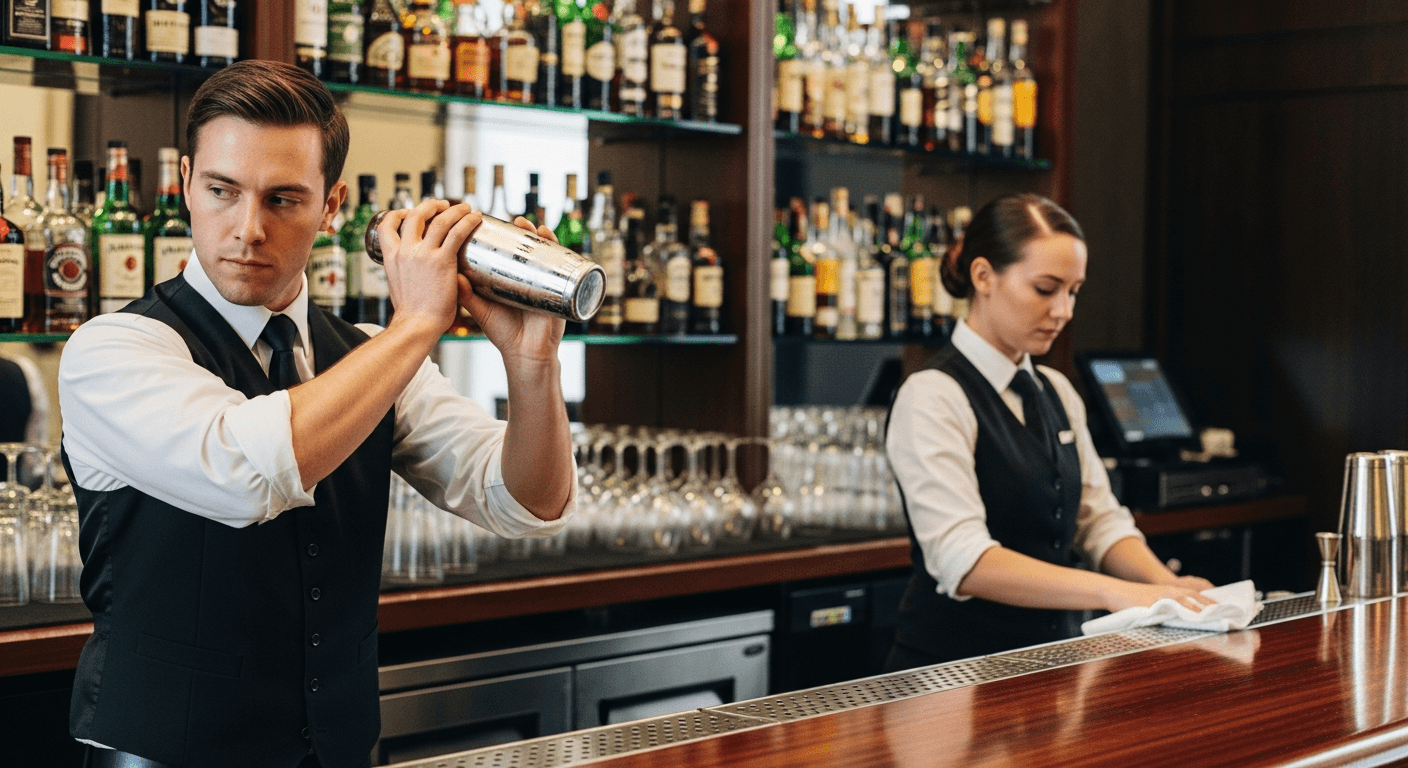
A Charlotte restaurant with late-night bar sales and a Wilmington wedding venue that serves alcohol only for booked events do not buy the same policy. One usually needs limits and underwriting built around daily alcohol receipts, bartending controls, and a steady flow of patrons. The other often needs coverage shaped around event contracts, outside vendors, and whether service is handled by employees or a licensed caterer. That is why this coverage in North Carolina works best when the quote starts with how alcohol is actually sold, served, checked, and documented at your location.
In this state, the practical questions come first. Who pours, who checks IDs, how incidents are logged, whether security is used, and what landlords, lenders, or event clients require before service begins all shape the policy you need. You also want to confirm how your policy fits with general liability, assault and battery wording, and any special event exposure that comes and goes through the year. The more clearly you can describe your operation up front, the more accurately a carrier can match the form to your real exposure.
What Liquor Liability Insurance Covers
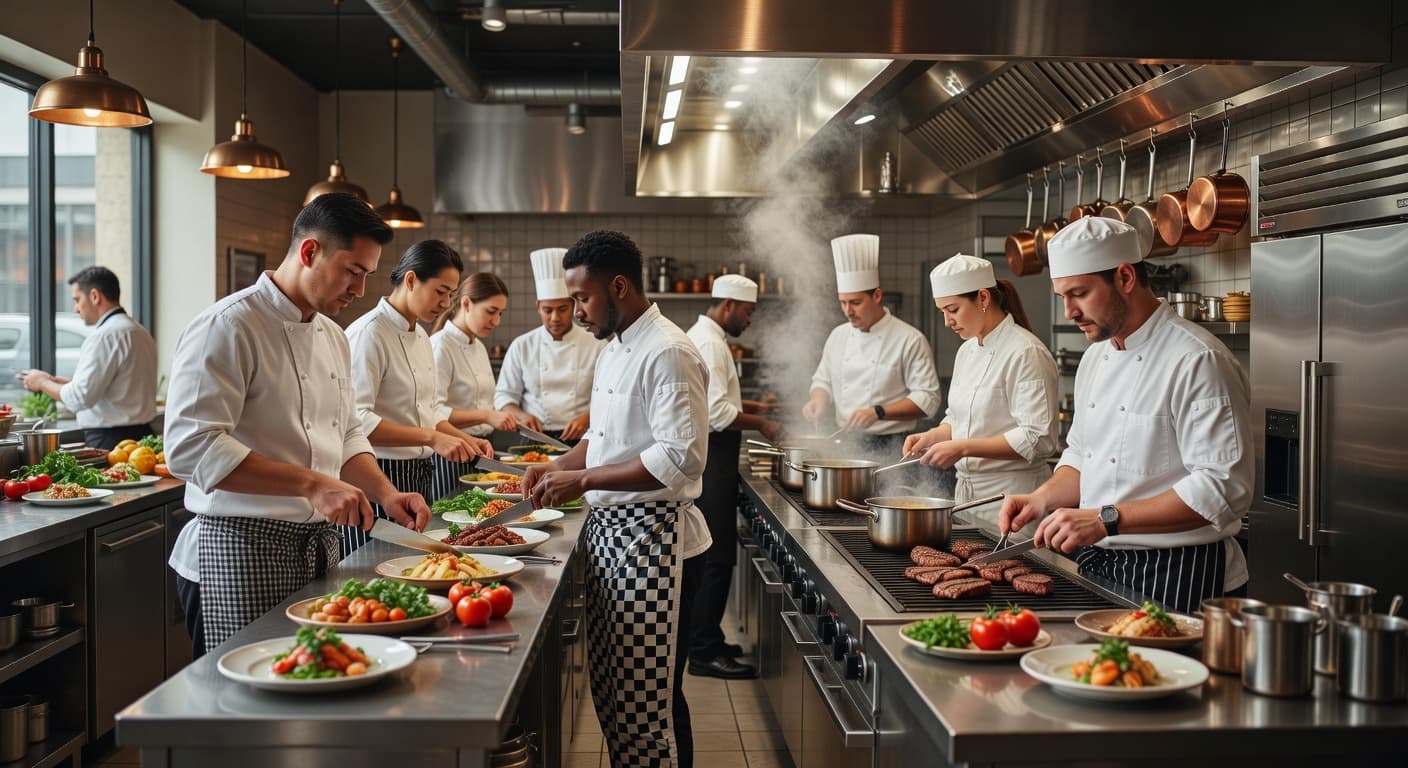
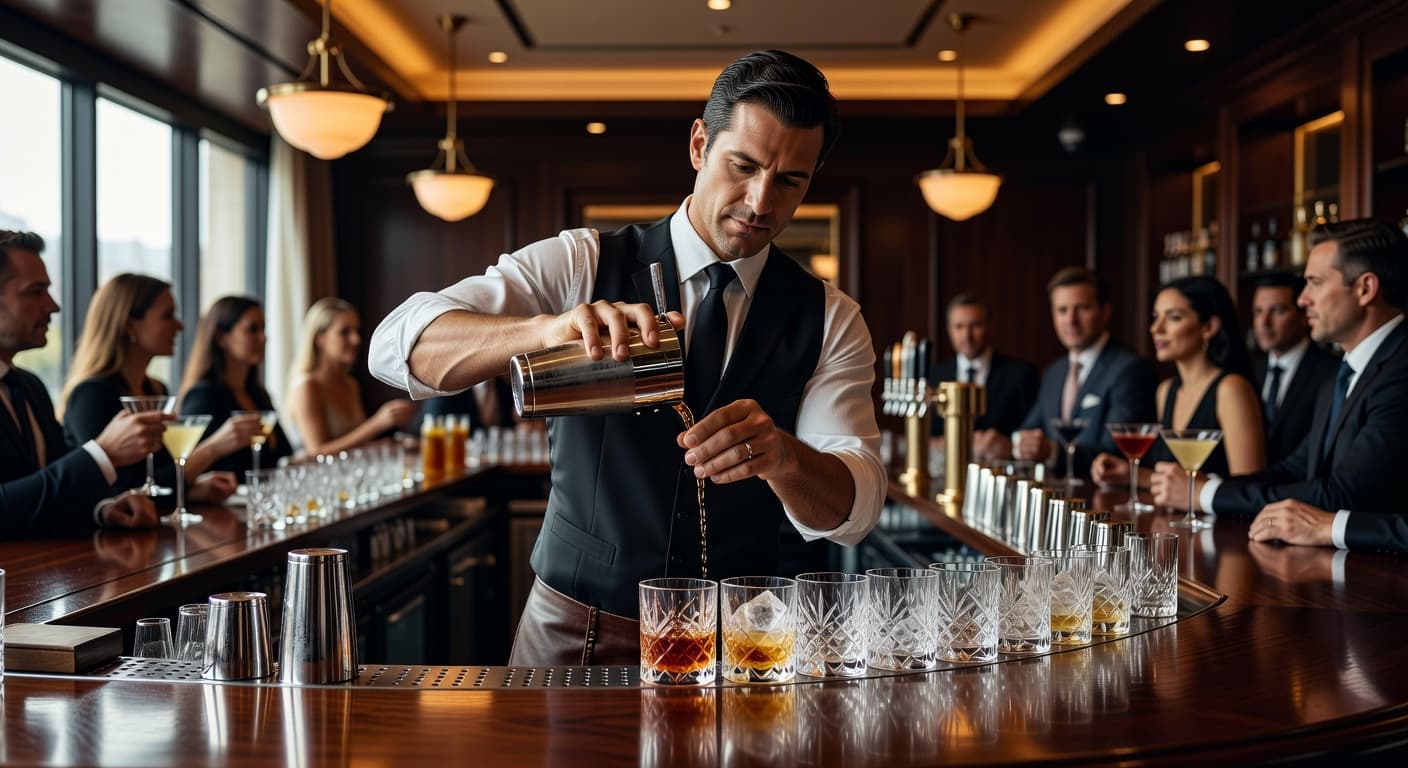
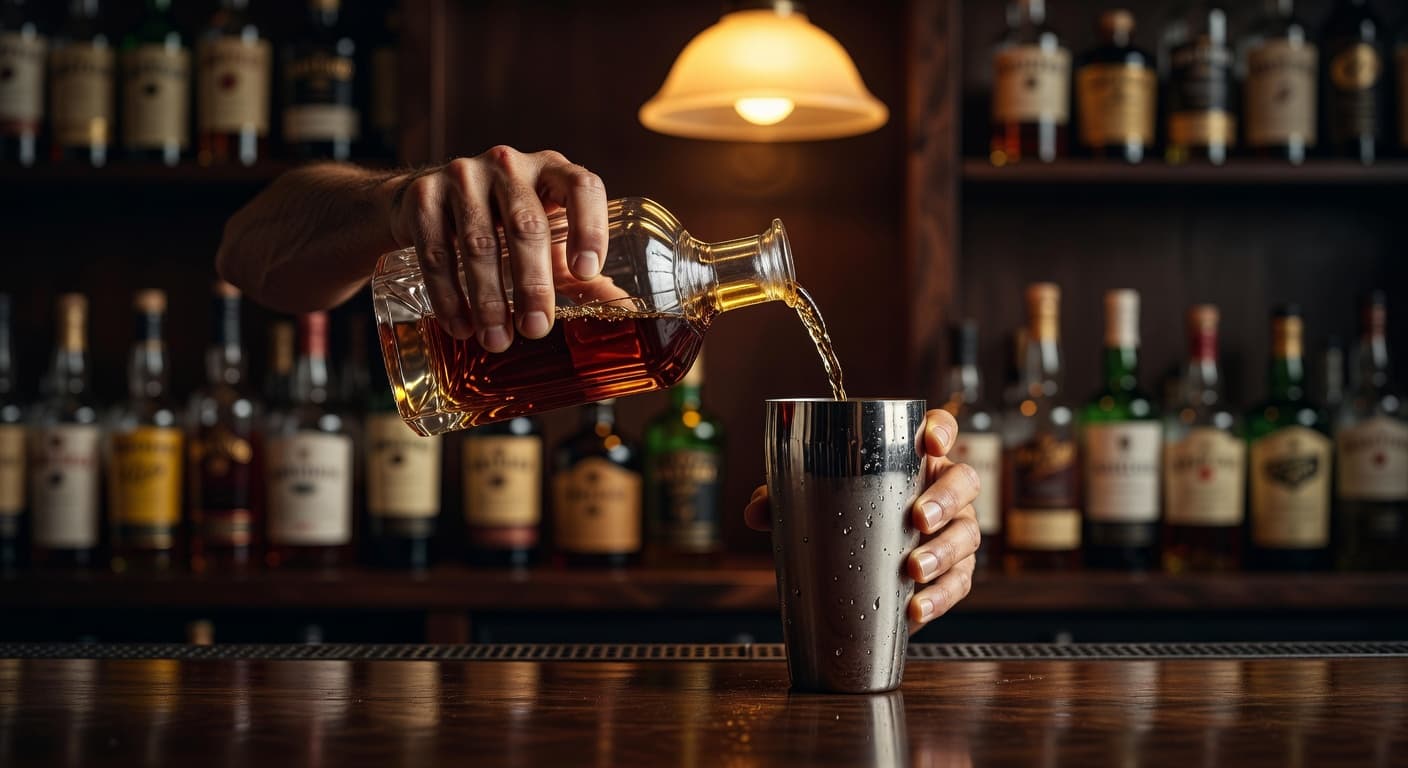
For a North Carolina alcohol-serving business, the useful review is not a generic list of covered claims. It is whether the policy language matches the way alcohol moves through your operation. A neighborhood bar with bouncers, a brewery taproom with family hours, and a private club with member events can all present very different underwriting questions, even if each serves beer, wine, or spirits from the same kind of point-of-sale system.
Start by checking whether the policy is written for your actual role in the transaction. If you sell drinks across the bar, your exposure differs from a venue that includes alcohol in event packages or a restaurant that relies on table service and banquet tabs. You should also review whether defense costs are inside or outside the limit, how exclusions are worded, and whether assault and battery, security operations, dance floor activity, or off-premises service create gaps that need separate attention.
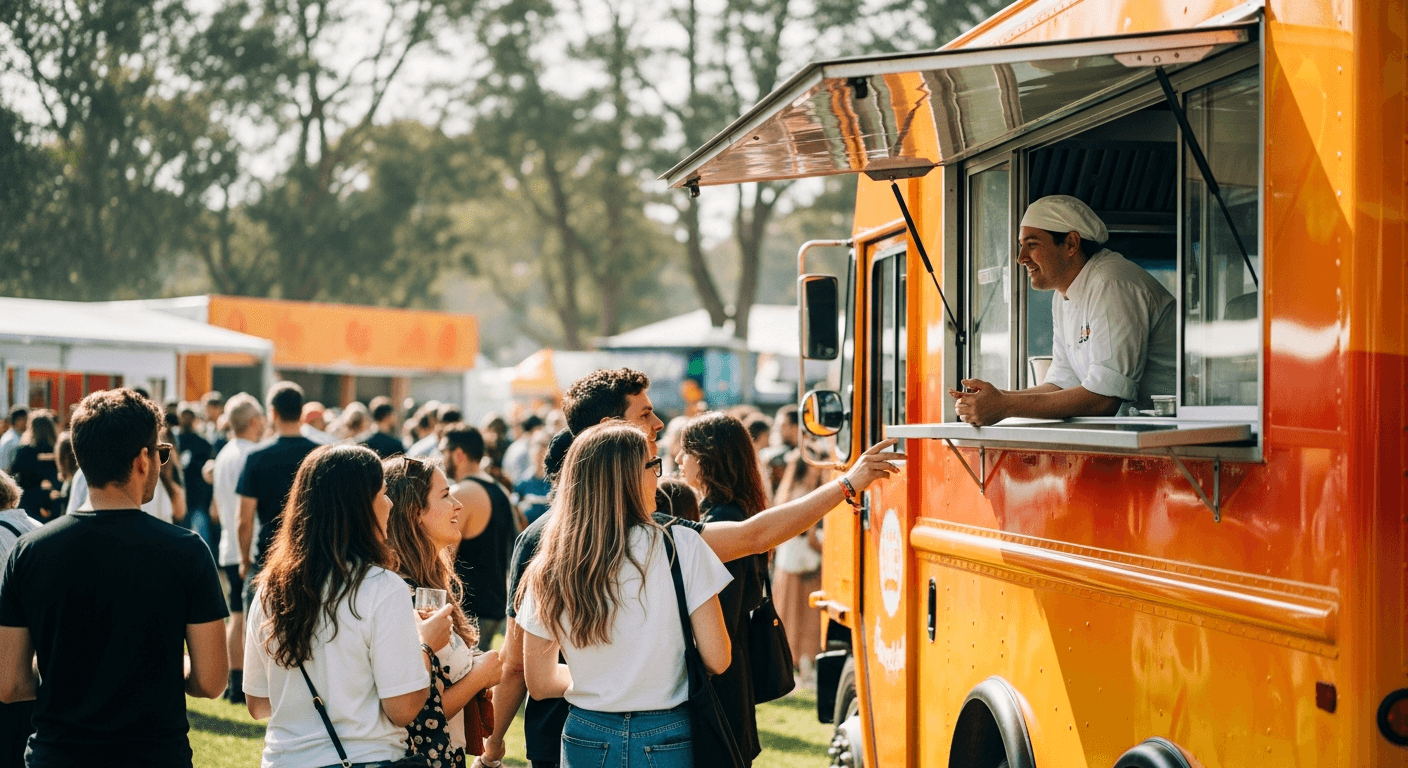
North Carolina buyers also need to look closely at operational details that affect claim handling later. Ask how the carrier wants incidents documented, whether employee alcohol service training should be listed in the application, and how temporary events, festivals, or catered functions are treated if they are not your everyday business. If you use third-party bartenders, confirm whether your policy expects them to carry their own coverage and collect their certificates before the event date.
The North Carolina Department of Insurance regulates carriers in this state, which means you have a place to turn if you hit a wall on policy wording, notices, or complaint handling during your purchase. Before binding coverage, ask for specimen wording on exclusions, additional insured status, and any endorsement that changes how alcohol-related claims are handled.

Bodily Injury Liability
Can help cover injuries an intoxicated patron causes to others after your business served or sold them alcohol.

Property Damage Liability
May pay for property damage caused by an intoxicated customer your establishment served, such as a car crash after leaving.
Assault & Battery
Can help cover claims arising from fights or physical altercations involving intoxicated patrons at your bar or restaurant.

Defense Costs
May pay for attorneys, court fees, and related legal expenses when your business is sued over an alcohol-related incident.
Host Liquor Liability
Can help cover alcohol-related claims from events where you host or serve drinks without selling them, like company parties.
Liquor Liability Insurance Requirements in North Carolina
- The North Carolina Department of Insurance regulates carriers in this state, which means you have a place to turn if you hit a wall on policy wording, notices, or complaint handling during your purchase.
- Before binding coverage, ask for specimen wording on exclusions, additional insured status, and any endorsement that changes how alcohol-related claims are handled.
- North Carolina buyers also need to look closely at operational details that affect claim handling later. Ask how the carrier wants incidents documented, whether employee alcohol service training should be listed in the application, and how temporary events, festivals, or catered functions are treated if they are not your everyday business.
- Policyholders can look to the North Carolina Department of Insurance for insurance regulatory information and complaint channels. That matters when you are comparing policy forms, notices, or service issues and want to understand the state oversight framework.
How Much Does Liquor Liability Insurance Cost in North Carolina?
Average Cost in North Carolina
$45 - $190
per month
Businesses in North Carolina typically see liquor liability insurance premiums of $45 - $190 per month, which tends to run 19% below the national range of $50 - $240 per month.
- Share of sales that comes from alcohol
- Type of venue and how late you serve
- Server training and service procedures
- State dram shop law
- Liquor liability limits selected
- Prior over-service or assault claims
Contact CPK Insurance for a personalized quote.
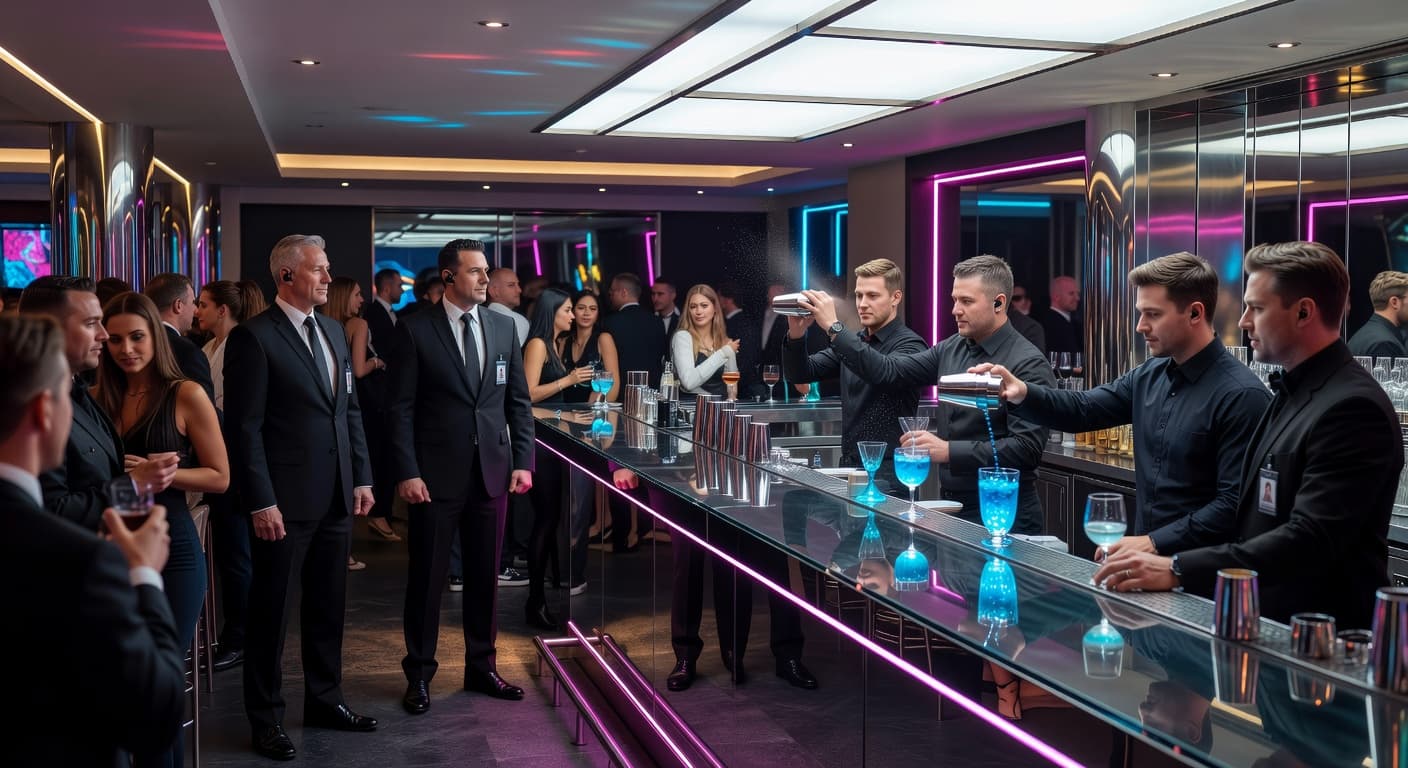
A small restaurant with limited bar receipts may be rated very differently from a nightclub with late closing hours, a cover charge, security staff, and a larger share of revenue tied to alcohol sales. The same is true for event venues, bottle shops with tastings, breweries, and mobile bartending operations.
Underwriters commonly look at your alcohol sales mix, annual receipts, hours of service, entertainment, prior claims, and whether you have written ID-checking and incident-report procedures. They may also price around your location, requested limits, deductible structure, and whether you need endorsements for special events, hired security, or off-site service. If your lease or client contract requires additional insured status, that can also shape the quote and the form you need.
Because the fact pattern matters so much, cost conversations are most useful when you bring complete operating details to the application. If your business has changed, maybe longer hours, more private events, a new patio, or a shift from beer and wine into full liquor service, ask for the quote to be rebuilt rather than simply renewed. That helps you avoid paying for a policy designed around last year's operation.
Prices shown are general estimates, not guaranteed rates or quotes. Your actual premium will depend on the insurer, coverage selected, business details, location, claims history, and other underwriting factors. Learn about our pricing methodology.
Request a Quote Comparison
Enter your ZIP code to compare liquor liability insurance rates from top carriers.
Business insurance starting at $25/mo
Who Needs Liquor Liability Insurance?
In North Carolina, the buyers who most often need a close review are the ones whose revenue, contracts, or customer experience depend on alcohol being available. That includes bars, restaurants, taverns, breweries, wineries, private clubs, music venues, banquet halls, wedding venues, caterers, and event businesses that package alcohol service into what they sell. If alcohol is part of why customers come through the door, this coverage usually deserves direct attention before renewal or before a new location opens.
You should also review it if alcohol service is not your main business but still creates a regular exposure. A restaurant that adds weekend brunch cocktails, a golf facility that serves from a clubhouse, or a venue that hosts corporate receptions can move into a different risk profile once alcohol becomes part of normal operations. The same applies if you host ticketed events, use drink packages, or rely on temporary staff during busy seasons. Venues that alternate between dry rentals and fully staffed alcohol service should separate those scenarios in the application so the policy matches each event type. If your business uses third-party bartenders or caterers, confirm whether your contracts shift liquor liability responsibility clearly. Restaurants and bars with changing entertainment schedules should disclose live music, dance floor activity, and security practices before binding, because those details can affect underwriting and exclusions. Event-driven operations should verify how the policy treats off-site service, temporary locations, and one-off festivals before accepting a certificate request from a client.
North Carolina businesses often discover the need through contracts rather than through insurance planning alone. Landlords may ask for proof of coverage before keys are released. Event clients may require certificates before a wedding or festival date. Vendors, promoters, and property managers may also want to see additional insured wording before they let your event proceed. If you wait until the week of the event, you may have fewer carrier options and less time to fix application issues.
A good rule is simple. If your staff pours, sells, serves, or manages alcohol service, or if your business profits from alcohol being served under your name, review liquor liability before the next contract is signed.
Liquor Liability Insurance by City in North Carolina
Liquor Liability Insurance rates and coverage options can vary across North Carolina. Select your city below for localized information:
How to Buy Liquor Liability Insurance
Buying coverage in North Carolina goes more smoothly when you prepare the underwriting file before you ask for pricing. Start with a plain description of your operation. Include what type of business you run, where alcohol is served, whether service is daily or event-based, and whether employees, contractors, or caterers handle the pouring. Then gather your estimated alcohol receipts, business receipts, hours of alcohol service, and any prior loss information so the application does not rely on rough guesses.
Next, collect the documents that can change the form you need. That usually means your lease, event contracts, venue agreements, and any certificate requirements from landlords or clients. If a contract asks for additional insured status, primary and noncontributory wording, or waiver of subrogation, include that request at the quoting stage rather than after binding. It is easier to compare options when every carrier is responding to the same requirements.
You should also be ready to explain your controls. Underwriters often want to know how IDs are checked, how intoxication concerns are escalated, whether incidents are written up, and whether security is used on busy nights or special events. If you host occasional off-site events, say so early, because some policies treat that exposure differently.
Before you purchase, review the proposal line by line. Confirm the named insured, covered operations, event exposure, exclusions, and any endorsements that narrow assault and battery, security, or off-premises service. Then ask for sample certificates if a landlord or client has strict wording requirements. Request a quote through CPK Insurance to compare your options with participating licensed providers. That final check can prevent a last-minute scramble right before opening night or an event date.
How to Save on Liquor Liability Insurance
Clean applications matter. If your alcohol receipts, hours, event count, and service model are clearly documented, the quote is less likely to be padded for uncertainty. A vague submission can cost more because the carrier prices for what it cannot verify.
Operational controls can also help your pricing conversation. Written ID-check procedures, documented incident reporting, manager escalation rules, and consistent staff training show that alcohol service is managed rather than improvised. If your business uses security on higher-risk nights, keeps logs, and separates alcohol service from cash-handling confusion at events, mention that in the submission. Those details do not guarantee a lower premium, but they can improve how the account is viewed.
Another way to save is to match the policy to the exposure instead of overinsuring the wrong thing. A venue with occasional alcohol service may need a different structure from a bar with nightly sales. A restaurant that uses an insured caterer for private events may not need the same approach as one that staffs every banquet itself. If your operation changed during the year, ask for the quote to reflect the current model rather than an outdated classification.
Finally, shop with discipline. Ask each carrier to show key exclusions and endorsements, not just the premium. A lower number is only useful if the form still works for your lease, your events, and the way your staff actually serves alcohol.
Our Recommendation for North Carolina
If your business runs a true bar exposure, the policy needs to reflect that reality. Late-hour operations, live entertainment, hired security, and assault and battery exclusions all change how a claim is handled. A venue or caterer faces a different set of questions. Focus on who is legally responsible for service at each event and whether off-premises alcohol service is clearly contemplated by the form.
Keep your underwriting story consistent. The application, your website, your social pages, and your event materials should all describe the business the same way. If one source presents you as a quiet restaurant and another markets bottle service and live music, expect extra questions or a delayed bind.
Treat renewal as a re-underwriting exercise. If you added patio service, private events, security, or a larger alcohol mix, update the file before the policy renews.
FAQ
Frequently Asked Questions
Your contract may shift responsibility differently, and a caterer's policy may not extend to your venue operations or additional insured requests. Reviewing both policies side by side helps you see where gaps remain before the event date.
Disclose your alcohol sales mix, service hours, entertainment, security practices, prior incidents, and who checks IDs. Clear operational detail helps the underwriter match the form to your actual exposure instead of pricing around uncertainty.
Banquet service, drink packages, and after-hours functions can change your exposure. Ask whether your policy contemplates those events as part of normal operations or requires different underwriting.
Leases and event contracts can drive the purchase as much as the exposure itself. They may require certificates, additional insured status, or other wording, so you should provide those documents before the quote is finalized.
Review the policy for temporary locations, event-based service, and any exclusions tied to where alcohol is served. Some forms treat off-premises service differently from on-site operations.
Breweries and taprooms are often reviewed based on how much exposure comes from on-premises service versus production or retail sales. Tastings, events, food service, and family-hour operations can all change how the account is classified.
Policyholders can look to the North Carolina Department of Insurance for insurance regulatory information and complaint channels. That matters when you are comparing policy forms, notices, or service issues and want to understand the state oversight framework.
U.S. businesses that sell, serve, or distribute alcohol should review liquor liability insurance. That usually includes bars, restaurants, breweries, wineries, liquor stores, caterers, hotels, and event venues, especially when alcohol service is part of normal operations rather than an occasional event.
Sources
- 1.North Carolina Department of Insurance(The state regulator is the North Carolina Department of Insurance.)
Updated July 16, 2026