
Updated July 16, 2026

Homeowners Insurance in Raleigh
The decision often lands when you are under contract on a house near Five Points, moving from a downtown apartment into your first detached home, or renewing after a major remodel and realizing your old limits no longer match the property. Homeowners insurance in Raleigh is usually less about relearning the basics and more about checking whether your dwelling limit, other structures, and loss of use still fit what it would take to repair or rebuild here. With a Raleigh median home value of $377,800, a 20 percent shortfall in your dwelling limit means roughly $75,000 you would pay out of pocket after a serious claim. Many households here are balancing a meaningful asset with a real monthly budget, which makes deductible choices and endorsement tradeoffs worth comparing line by line instead of defaulting to the lowest premium. Bring your current declarations page, inspection findings, and renovation details into a quote review so the policy matches the house you own now.
North Carolina has a high climate risk rating. Top hazards: Hurricane (Very High), Flooding (High), Severe Storm (High), Tornado (Moderate). The state's expected annual loss from natural hazards is $2.8B, which influences homeowners insurance premiums and may affect coverage availability in high-risk areas.
What Homeowners Insurance Covers
For North Carolina homes, the useful review is not a generic list of policy parts. It is a line-by-line check of where your property is most likely to take damage and which losses you would still absorb yourself. Start with the structure. Roof covering, attached structures, screened porches, decks, detached garages, and any outbuilding that stores tools or equipment should all be described accurately on the quote. If the home has older plumbing, aging wiring, or deferred exterior maintenance, bring that up before binding, because those details can affect eligibility, exclusions, or inspection results.
Then move to loss triggers that matter in this state. Wind-driven rain, falling trees, hail, and sudden pipe failures can create very different claim paths, and your deductible structure may not be the same for each one. Water backup, service line damage, equipment breakdown, and ordinance or law coverage are worth reviewing as optional add-ons rather than assuming they are built in. If you have a finished room over a garage, a basement, a crawlspace with mechanicals, or a detached structure used for business property, ask specifically how those areas are treated.
Personal property also deserves a practical inventory review. Jewelry, firearms, collectibles, musical instruments, and high-value electronics may need scheduled coverage or tighter sublimit review. Liability should match how you actually live in the home, especially if you host guests often, own a dog, have a pool, or employ domestic help. The right next step is to request a specimen quote and ask the agent to mark what is standard, what is optional, and what is excluded so you can decide with fewer assumptions.
Coverage Included

Dwelling
Repairs or rebuilds your home itself, the walls, roof, floors, built-in appliances, and attached structures like a garage, after a covered loss. Set this limit to the full cost of rebuilding, not market value.
Other Structures
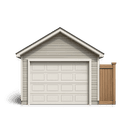
Detached structures on your property, such as a fence, shed, detached garage, or gazebo. Usually set at about 10 percent of your dwelling limit [2].

Personal Property
Your belongings, furniture, clothing, electronics, and appliances, generally written at 50 to 70 percent of your dwelling limit [2]. High-value items like jewelry and art carry special limits.

Additional Living Expenses
Also called loss of use. Pays your added living costs, hotel stays, meals, and a temporary rental, while a covered loss makes your home uninhabitable. Usually set at about 20 percent of your dwelling limit.

Liability
Covers you if someone is injured on your property, or you damage someone else's property, and you are found responsible. The standard $100,000 limit [2] is often raised to $300,000 or $500,000.

Medical Payments
Pays small medical bills, commonly $1,000 to $5,000, if a guest is hurt at your home regardless of fault, without a formal liability claim.
Homeowners Insurance Cost in Raleigh
Average Cost in North Carolina
$95 - $250
per month
In North Carolina, homeowners insurance premiums typically run $95 - $250 per month, which tends to run 4% below the national range of $110 - $250 per month.
- Home replacement cost, age, and construction type
- Roof age, material, and condition
- ZIP code and local weather risk (wind, hail, wildfire, hurricane)
- Coverage limits and endorsements
- All-peril and percentage wind/hail deductibles
- Claims history and insurance score where allowed
Typical range for many standard homeowners profiles; lower-risk homes fall below it and coastal, wildfire, or older-roof homes can run well above. Final pricing depends on property details, location, underwriting, and selected coverage.
Prices shown are general estimates, not guaranteed rates or quotes. Your actual premium will depend on the insurer, coverage selected, personal details, location, claims history, and other underwriting factors. Learn about our pricing methodology.
Homeowners pricing in North Carolina moves most when the carrier sees a difference in loss potential or rebuild complexity. The biggest drivers are usually the home's location, age, roof condition, construction type, square footage, prior claims, deductible choice, and whether the property sits in an area with higher wind or water exposure. A quote also changes if the home is owner-occupied versus seasonal, if it has been renovated recently, or if underwriting finds unrepaired issues during inspection.
Monthly premiums vary widely based on those factors and the policy design you choose. At the lower end, you are generally looking at a higher deductible on a newer, well-maintained home with standard structural and liability limits. As you move up, the premium often reflects lower deductibles, broader endorsements, or a property with older systems and higher wind or water exposure. A newer roof, updated electrical and plumbing systems, and a higher deductible can help move a quote down. Coastal exposure, older materials, prior water losses, or added endorsements can push it up.
The most useful way to shop is to keep the quote inputs consistent. Use the same dwelling amount, deductible, liability limit, and endorsements across each option so you are comparing underwriting appetite and pricing, not different coverage packages. Ask whether the quote assumes replacement cost on both the home and contents, whether any separate wind or named-storm deductible applies, and whether water-related endorsements are included or optional. If a premium looks unusually low, check what was removed to get there before you decide to bind.
What Makes Raleigh Different
Small errors in dwelling coverage can turn into large out of pocket costs if a covered loss requires major reconstruction. That makes it more important to verify how your insurer estimates replacement cost, whether finished spaces and detached structures are included accurately, and whether recent kitchen, roof, or systems upgrades have been reported. A townhome with an HOA calls for different attention than a renovated bungalow or a newer suburban build, especially when it comes to water backup, personal property scheduling, and deductible structure. The goal is a property-specific underwriting conversation that reflects the actual house, not a quick checkbox before closing.
Our Recommendation for Raleigh
Ask how the dwelling limit was calculated. What assumptions were used for square footage and finishes? Are detached garages, screened porches, or accessory structures included the way you expect? If you have completed renovations, provide contractor invoices or a recent appraisal so updates are reflected before a claim tests the file. Raleigh's median household income is $82,424, which translates to about $6,870 arriving each month before taxes for a typical family. That gives you a concrete number to weigh against any deductible you are considering, so you know exactly what hit the household budget would take after a claim. If you work from home, host guests often, or keep higher-value jewelry, electronics, or collectibles, ask whether standard sublimits are enough for your household. Before renewal or closing, request a side by side comparison of your current policy against at least one alternative and look closely at settlement terms, exclusions, and optional endorsements.
Get Homeowners Insurance in Raleigh
Enter your ZIP code to compare homeowners insurance rates from carriers in Raleigh, NC.
Home insurance starting at $50/mo
FAQ
Frequently Asked Questions
Raleigh buyers should review dwelling coverage first. A low limit can create a bigger repair gap after a covered loss, so confirm replacement cost assumptions, upgrades, and detached structures before closing.
Raleigh remodels often change the insurance conversation. New kitchens, baths, roofs, or systems can raise reconstruction needs and alter how the home is rated, so update your carrier with permits, invoices, and finish details before renewal.
Raleigh households often get more control by adjusting the deductible instead of cutting core property limits. Compare what you could comfortably absorb after a claim against the premium difference before you lower any key property coverage.
Wake County has 33,076 business establishments, roughly one for every 13 residents. That density means your neighbors may be running deliveries, hosting clients, or operating side businesses from home, which can change what your policy needs to address.
Wake County's leading sectors include professional, scientific, and technical services at 17.1%, retail trade at 10.9%, and health care and social assistance at 10.8%. Put those together and more than a third of local jobs involve work that could follow someone home, so it is worth asking whether your equipment, inventory, and liability limits still fit your setup.
Policies can treat wind-related losses differently depending on the form and deductible structure. Ask each quote to show whether a separate wind or named-storm deductible applies, because that changes your out-of-pocket cost even when premiums look similar.
It helps to disclose roof age, electrical updates, plumbing updates, heating type, and any prior water intrusion. Those details affect eligibility, inspection results, and endorsements, so sharing them early helps you avoid a rewritten quote before closing.
Standard policies often exclude flood-related losses, including storm surge and surface water. That means you may need a separate policy or endorsement to close that gap. Ask specifically about drainage backup and any separate flood coverage you may need.
Sources
- 1.U.S. Census Bureau, ACS 5-Year Estimates, table B25077(Raleigh median home value is $377,800.)
- 2.U.S. Census Bureau, ACS 5-Year Estimates, table B19013(Raleigh's median household income is $82,424.)
- 3.U.S. Census Bureau, County Business Patterns, Wake County(Wake County has 33,076 business establishments.; Wake County's leading sectors by establishment share are professional, scientific, and technical services 17.1%, retail trade 10.9%, and health care and social assistance 10.8%.)
Updated July 16, 2026