







































Updated July 16, 2026

Inland Marine Insurance in Raleigh
Your crews and drivers rarely stay at one address here. A contractor may load tools at a small warehouse near Capital Boulevard, stage materials at a renovation in Five Points, then leave rented equipment at a client site before heading back across the Beltline. A photographer, AV firm, or medical vendor may move laptops, cameras, diagnostic devices, or display gear between offices, event venues, and customer locations in the same day. That operating pattern is why inland marine insurance in Raleigh often warrants more attention than a standard property schedule gives it. If you serve higher-income households, replacement cost can rise fast when you carry premium tools, electronics, or client property into homes and offices with tighter expectations around timing and condition. Start by mapping your usual routes and listing property that travels or stays temporarily off-site, then separate owned, rented, and customer items so limits can be reviewed against the way you actually work.
Inland Marine Insurance Risk Factors in Raleigh
Local exposure is less about a unique city peril than about how often property is unattended between stops, stored at temporary locations, or handed off between employees, subcontractors, and clients. In practice, that means a loss can happen in a van during a service call, in a locked trailer at a job site, or inside a borrowed event space where responsibility is not always obvious. The state page already covers broader North Carolina weather concerns, so the more useful local review is operational: where equipment sleeps overnight, how often it crosses multiple sites in one day, and whether you document serial numbers, rental agreements, and customer sign-offs. If your schedule includes frequent loading and unloading, ask for item classes and valuation terms that match mobile equipment, installation materials, and property of others. That review matters most when your business depends on getting back to work quickly after a theft, breakage, or transit loss.
North Carolina has a high climate risk rating. Top hazards: Hurricane (Very High), Flooding (High), Severe Storm (High), Tornado (Moderate). The state's expected annual loss from natural hazards is $2.8B, which influences inland marine insurance premiums and may affect coverage availability in high-risk areas.
What Inland Marine Insurance Covers
Inland marine insurance is built for business property that is not staying at one fixed address, so it is commonly used for tools, equipment, materials, and goods moving between job sites, customer locations, and temporary storage. The core coverage options include tools and equipment, goods in transit, contractors equipment, installation floater, and builders risk. North Carolina does not have a special inland marine mandate, but your specific trade and how large your operation is will dictate your needs, and policies are regulated by the North Carolina Department of Insurance.
In a state with hurricane exposure on the coast, flooding concerns in low-lying areas, and severe storm activity, businesses often review whether temporary storage, transit between locations, and job-site placement are all included. Those three exposure points are where mobile property claims tend to surface during storm season. Commercial property coverage can help protect items at a fixed location, but it does not follow gear that leaves the main premises in job trailers, service vans, construction sites, and offsite storage yards. Inland marine insurance is the fill-in for that mobile property.
Coverage Included
Tools & Equipment
Can help repair or replace hand tools, power tools, and gear that are stolen or damaged on the job or in transit.

Goods in Transit
May cover products, materials, and merchandise while they are being shipped or hauled between locations in your care.
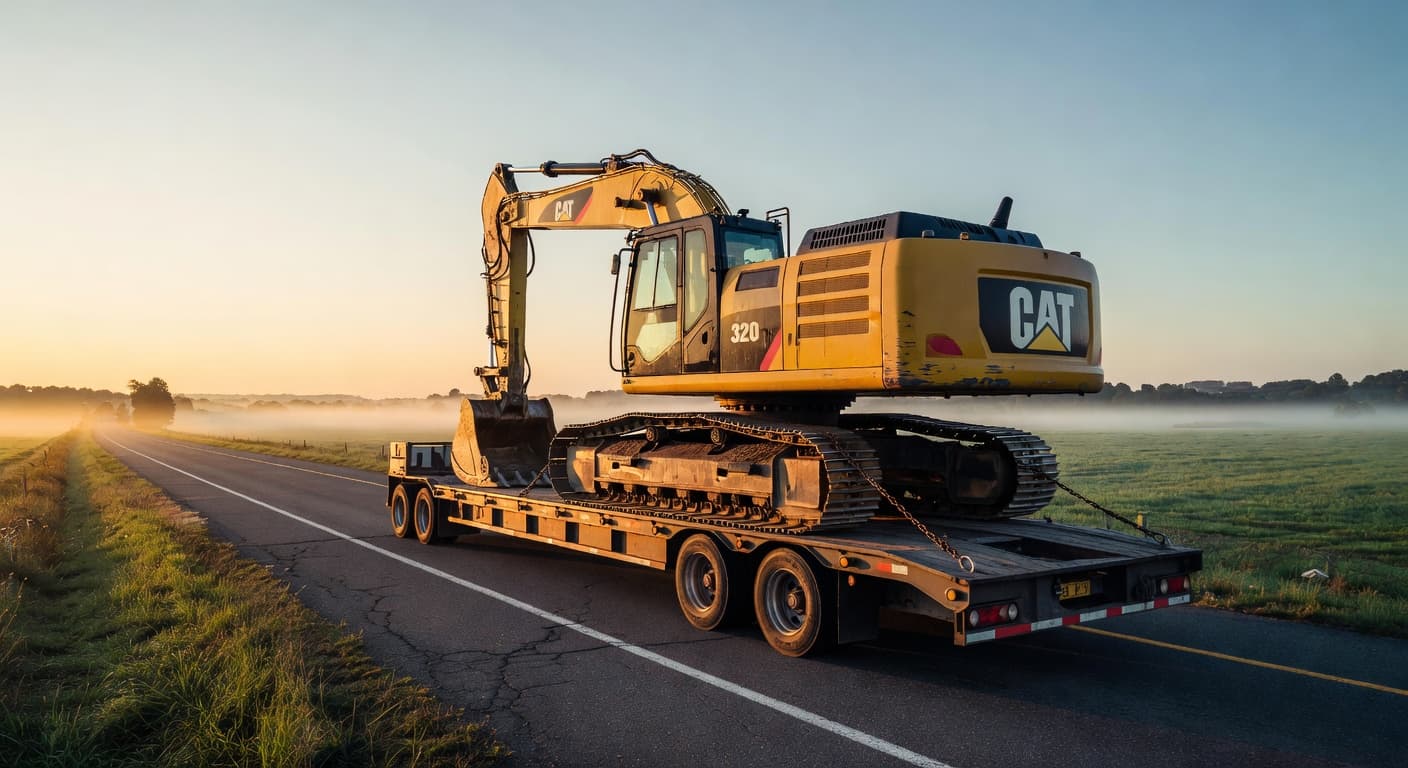
Contractors Equipment
Typically covers heavy machinery like excavators, loaders, and generators against theft or damage at job sites and between them.
Installation Floater
Can help cover materials and fixtures from the moment you buy them until they are installed and accepted at a project.
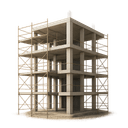
Builders Risk
May cover a structure under construction, along with materials on site, against damage from fire, wind, theft, and vandalism.
Inland Marine Insurance Cost in Raleigh
Average Cost in North Carolina
$20 - $95
per month
Businesses in North Carolina typically see inland marine insurance premiums of $20 - $95 per month, which tends to run 4% below the national range of $20 - $100 per month.
- Total insured value of the scheduled property
- Type and age of the equipment
- Where it is stored and how far it travels
- Jobsite security and theft prevention
- Per-item limits and deductibles
- Prior theft and in-transit losses
Contact CPK Insurance for a personalized quote.
Prices shown are general estimates, not guaranteed rates or quotes. Your actual premium will depend on the insurer, coverage selected, business details, location, claims history, and other underwriting factors. Learn about our pricing methodology.
Monthly premiums often start from $20 to $95, though your actual cost depends heavily on your equipment schedule and risk profile. Hurricane risk is a major pricing factor here, especially for businesses operating near the coast, in flood-prone areas, or in counties that have seen repeated disaster declarations. Premiums also move with coverage limits, deductibles, claims history, location, industry or risk profile, and policy endorsements. A contractor storing gear in a coastal area may be rated differently from a service business inland.
A business with higher-value portable property, frequent transit, or job-site exposure may still see a wider range of prices. Because the state has a large small-business base, many policies are built around modest but important equipment schedules, where the cost depends heavily on how much property is actually moving. For the most accurate quote, carriers usually want a clear inventory, estimated values, storage practices, and the counties where the property is used.
Industries & Insurance Needs in Raleigh
Wake County's establishment mix leans toward professional, scientific, and technical services at 17.1%, retail trade at 10.9%, and health care and social assistance at 10.8%, so inland marine demand here often comes from businesses moving specialized equipment, display property, laptops, instruments, and customer items rather than only from traditional construction trades. That changes the coverage conversation. A tech consultant may need portable electronics reviewed by class and per-item value. A retailer may need protection for goods in transit to pop-ups or temporary storage. A health-related business may need careful treatment of mobile equipment and property used away from the main premises. If your operation fits one of those patterns, build the quote around what travels, where it is kept between stops, and whether you ever hold property that belongs to a client, patient, or event partner.
What Affects Inland Marine Rates in Raleigh
Wake County has 33,076 business establishments, so local buyers often work in a dense vendor environment where leases, client contracts, and subcontractor agreements can push you to show clearer proof of coverage for property that travels or sits off-site. That does not create a fixed premium by itself, but it does change what you may need to schedule and document. Raleigh's household income profile also means some service businesses here enter homes and offices where the tools, electronics, and customer property involved carry higher replacement expectations after a loss. If your account includes higher-value mobile equipment or property of others, ask for quotes that test different limits, deductibles, and itemization approaches instead of choosing a number that only fits your main location.
What Makes Raleigh Different
What sets this market apart is concentration of mobile professional equipment. In many markets, inland marine discussions start and end with contractors' tools. Around Raleigh, the buyer pool is broader. Consultants, event vendors, retailers, and service firms all move property between locations as part of their daily work. Wake County's leading sectors include professional, scientific, and technical services at 17.1%, retail trade at 10.9%, and health care and social assistance at 10.8%. Roughly one in six local establishments is a professional or technical firm, so a large share of accounts involve mobile equipment or property of others rather than stock sitting at a fixed address. You should not assume a contractor-style form automatically fits your account. Property that travels for client service, installation, demonstration, or temporary storage may need different scheduling and valuation than stock at a fixed location. Start by identifying the property that leaves your premises every week, then ask how each category is treated once it is in transit, at a temporary site, or in someone else's custody.
Our Recommendation for Raleigh
Begin with a movement audit, not a property list. Track what leaves your main address weekly, who transports it, where it sits between stops, and whether you own it, rent it, borrowed it, or hold it for a customer. That usually surfaces the real gaps faster than reviewing a declarations page alone. If you work in homes or offices with higher-value finishes, electronics, or client property, pressure-test your limits against replacement cost and against the cost of a short work stoppage after a loss. Raleigh's median household income is $82,424, about $14,000 above the national median. Clients in this market tend to expect prompt, clean resolution when damaged property delays a project or appointment. Ask for wording to be reviewed around temporary locations, property of others, installation exposure, and theft from vehicles or trailers. If you use subcontractors or part-time crews, confirm who has custody of equipment at each stage and keep current inventories, serial numbers, and photos ready.
Get Inland Marine Insurance in Raleigh
Enter your ZIP code to compare inland marine insurance rates from carriers in Raleigh, NC.
Business insurance starting at $25/mo
FAQ
Frequently Asked Questions
Contractors are the obvious starting point, but the need extends to photographers, AV firms, medical vendors, retailers, and consultants who regularly move property off-site. The gap often becomes clear when a fixed-location policy does not match the reality of equipment traveling between job sites, offices, and customer locations.
Raleigh's economy skews toward professional services, retail, and health care rather than heavy manufacturing or warehousing. That profile points to laptops, diagnostic tools, display gear, and customer property in transit rather than palletized stock behind a loading dock.
Buyers should list owned tools, rented equipment, installation materials, portable electronics, and any customer property in your care. It also helps to note where items are stored overnight, how they travel, and whether they move between multiple stops in one day.
Companies often work through leases, vendor agreements, and subcontractor relationships that require clearer proof of coverage. Review what travels off-site and what sits at temporary locations before signing those contracts.
Household incomes in this area run well above the national average, and service calls often involve higher-value homes, offices, and equipment. That is a good reason to review limits carefully if your crews carry premium tools, electronics, or client property.
It may cover mobile business property such as tools, equipment, materials, and goods that move between job sites, customer locations, or temporary storage. Your policy form, specific endorsements, and scheduled values drive the exact protection you receive.
It is designed to follow covered property away from a fixed business location, so offsite storage and job-site use can be included if the policy is written for those exposures and the carrier approves the location details.
Contractors, electricians, plumbers, landscapers, and other businesses that regularly move portable tools across job sites are common candidates, especially when equipment is stored in trailers, trucks, or temporary yards.
Sources
- 1.U.S. Census Bureau, County Business Patterns, Wake County(Wake County has 33,076 business establishments.; Wake County's leading sectors by establishment share are professional, scientific, and technical services at 17.1%, retail trade at 10.9%, and health care and social assistance at 10.8%.)
- 2.U.S. Census Bureau, ACS 5-Year Estimates, table B19013(Raleigh's median household income is $82,424.)
Updated July 16, 2026





