Updated July 5, 2026

Car Insurance in Winston-Salem
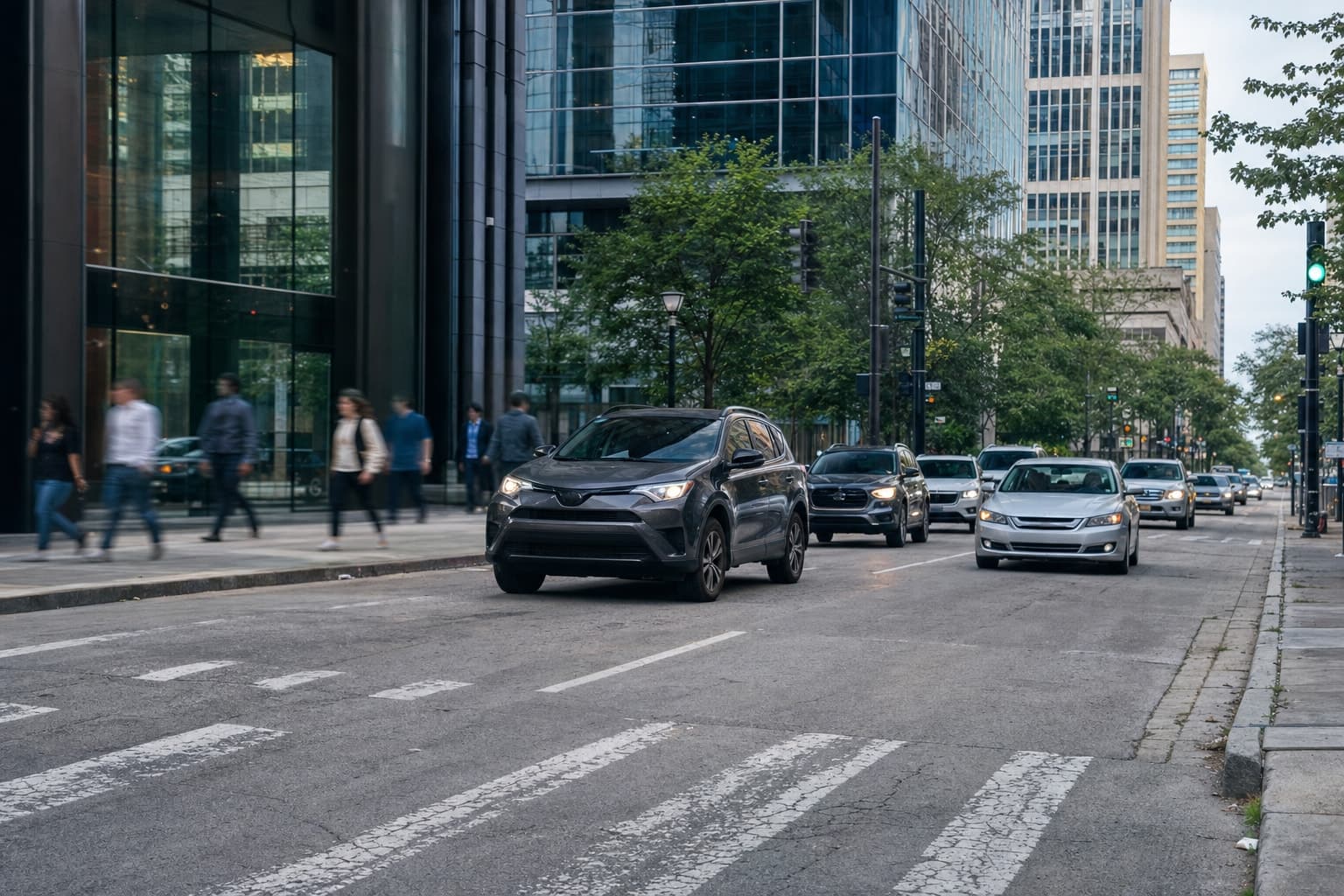
Your car insurance decision often lands at a practical moment here: you sign a downtown apartment lease, add a teen driver before the school year, or replace an older vehicle after a repair estimate no longer makes sense. Car insurance in Winston-Salem works best when the quote matches how you actually use the car, not just your ZIP code. A household with one commuter heading across town every weekday, a student driver learning on mixed city streets, and a second car parked most of the week can need a very different review than a driver who uses one vehicle for everything.
Local budgeting matters too, so many households benefit from quoting deductible options, rental reimbursement, and collision side by side instead of defaulting to a richer package than they would comfortably carry through a full policy term. If your payment needs to stay predictable, ask for the tradeoff between a higher deductible and the coverages you are most likely to use. That gives you a cleaner decision before you bind coverage or change vehicles.
North Carolina has a high climate risk rating. Top hazards: Hurricane (Very High), Flooding (High), Severe Storm (High), Tornado (Moderate). The state's expected annual loss from natural hazards is $2.8B, which influences car insurance premiums and may affect coverage availability in high-risk areas.
What Car Insurance Covers
Car insurance in North Carolina typically centers on liability, collision, comprehensive, uninsured motorist, medical payments, and rental reimbursement, but the right mix depends on how you drive and where you keep the vehicle. Liability coverage matters because the state requires commercial auto minimums for certain business uses, and personal drivers still need to verify the limits that fit their policy and lender expectations. Collision coverage can help with repairs after an auto accident, while comprehensive coverage is the part many North Carolina drivers review closely. Hurricane exposure, flooding, severe storms, and even winter ice events can create non-collision losses that make that portion of your policy genuinely useful. Uninsured motorist coverage deserves attention here because the state's uninsured driver rate is 7.4%, which is a real factor in local claim planning. Medical payments coverage can help with eligible medical expenses after a crash, and rental reimbursement can reduce disruption while your vehicle is being repaired. In North Carolina, coverage terms, endorsements, and pricing are reviewed under the North Carolina Department of Insurance, so policy details can vary by carrier, vehicle, and location. A policy that works for one driver in Raleigh may not be the same fit for someone driving near the coast or in a higher-theft corridor.
Coverage Included

Liability
Can help pay for injuries and property damage you cause to others in an accident, coverage most states require drivers to carry.
Collision
Can help pay to repair or replace your car after a crash with another vehicle or object, regardless of fault.

Comprehensive
Typically covers damage to your car from events other than collisions, such as theft, hail, fire, flooding, or hitting an animal.

Uninsured Motorist
May pay for your injuries and, in some states, car damage when an at-fault driver has no insurance or too little.

Medical Payments
Can help cover medical bills for you and your passengers after an accident, no matter who was at fault.
Rental Reimbursement
May pay for a rental car while your vehicle is in the shop for repairs after a covered claim.
Car Insurance Cost in Winston-Salem
Average Cost in North Carolina
$70 - $180
per month
In North Carolina, car insurance premiums typically run $70 - $180 per month, which tends to run 26% below the national range of $110 - $230 per month.
- Driving record and age
- Vehicle make, model, and year
- Location and commute distance
- Credit-based insurance score
- Coverage limits and deductibles
Contact CPK Insurance for a personalized quote.
Prices shown are general estimates, not guaranteed rates or quotes. Your actual premium will depend on the insurer, coverage selected, personal details, location, claims history, and other underwriting factors. Learn about our pricing methodology.
The average premium range for this coverage in North Carolina depends on coverage limits, deductible choices, claims history, location, policy endorsements, and the type of vehicle you insure. The state's 2023 auto accident data adds context that matters for your wallet. North Carolina recorded 268,000 total crashes and 1,680 fatalities in 2023. Fatal crashes tend to involve larger settlements, which is one reason carriers may price higher limits the way they do. If you carry only minimum liability, a severe accident could leave you personally responsible for costs beyond what your policy pays. Weather also affects pricing pressure, especially in places exposed to hurricanes, flooding, and severe storms. North Carolina's 137 disaster declarations show why comprehensive coverage can be a bigger part of the conversation here than in lower-risk states. Each declaration reflects real damage that drives claims, and that history feeds directly into what you pay for comprehensive protection. Local theft and crime trends can also influence your premium, especially where motor vehicle theft is elevated. Carrier competition is strong, which can help shoppers compare quotes but does not eliminate differences in how each carrier prices age, mileage, vehicle type, and coverage selection.
What Affects Car Insurance Rates in Winston-Salem
Budget pressure is a real part of the buying decision here. Winston-Salem's median household income is $57,673, so the right quote review is not only about meeting state minimums or adding every optional coverage on the menu. It is about deciding which parts of the policy you can realistically keep in force without lapsing.
That usually means comparing deductibles, checking whether collision still makes financial sense on an older car, and pricing rental reimbursement against how dependent your household is on having a backup vehicle during repairs. If one missed paycheck would make a higher premium hard to carry, ask for a version of the quote that protects the risks you would struggle to absorb out of pocket first. A policy that fits your monthly budget is often more useful than a broader one you may be tempted to trim or cancel later.
What Makes Winston-Salem Different
Affordability discipline is the main thing that changes the calculus here. In a market where many households are balancing housing, transportation, and everyday expenses at once, the question is not simply how much coverage sounds ideal. It is which coverage structure you can keep active consistently.
That is why a local car insurance review should focus on the parts of the policy that create the biggest out-of-pocket swing after a loss. If replacing or repairing your vehicle would strain savings, collision and comprehensive deserve a closer look. If you could handle a smaller repair bill but not a major one, deductible selection becomes a more important lever than small line-item add-ons. The goal is a policy design that matches your actual financial tolerance, your vehicle value, and how dependent your household is on that car each week. That approach usually produces a more durable buying decision than shopping on price alone.
Our Recommendation for Winston-Salem
Start with how the car fits your week. If you commute daily, carry family members, or cannot easily go without the vehicle during repairs, ask for a quote that compares liability-only against a version with collision, comprehensive, and rental reimbursement. Seeing those side by side makes the tradeoffs clearer.
Next, review each vehicle separately. An older paid-off car may justify a different deductible or a different physical damage decision than a newer financed one. If a teen driver is joining the household, ask how that changes both premium and deductible strategy before you add the driver. Keep the conversation practical: what you could pay out of pocket after a claim, how long you could manage without the car, and whether your current limits still fit your assets and income. That gives you a cleaner basis for a free, no-obligation quote than copying the last policy forward.
Get Car Insurance in Winston-Salem
Enter your ZIP code to compare car insurance rates from carriers in Winston-Salem, NC.
Car insurance starting at $59/mo
FAQ
Frequently Asked Questions
Winston-Salem drivers should compare deductibles, collision, comprehensive, and rental reimbursement first. The useful question is often which option you can keep in force comfortably, not which quote looks broadest on day one.
Winston-Salem households often review this car by car. If an older paid-off vehicle has limited market value, you may want to compare the cost of collision and comprehensive against what you could afford to repair or replace yourself.
Winston-Salem parents should ask for side-by-side quotes before adding a teen. Review liability limits, deductibles, and whether the household could absorb a larger out-of-pocket cost after a claim without disrupting the rest of the family budget.
Winston-Salem renters should mention whether the car is parked on the street, in a shared lot, or in a secured garage. Storage and daily use patterns can change which deductibles and physical damage options are worth reviewing more closely.
Winston-Salem buyers can look to the North Carolina Department of Insurance for state regulatory information. For shopping, the practical step is still to compare policy terms, deductibles, and vehicle-specific coverage choices before you bind.
In North Carolina, car insurance usually combines liability, collision, comprehensive, uninsured motorist, medical payments, and rental reimbursement. The right mix depends on how and where you drive.
You should confirm the policy terms that apply to your vehicle and whether any state-specific minimums or endorsements affect your quote. The state also notes commercial auto minimums of $50,000/$100,000/$50,000, raised effective July 1, 2025, for certain uses. That translates to $50,000 per person for bodily injury, $100,000 per accident, and $50,000 for property damage.
Pricing varies based on limits, deductibles, claims history, location, endorsements, and the vehicle you insure. Comparing quotes is the best way to find your actual range.
Sources
- 1.U.S. Census Bureau, ACS 5-Year Estimates, table B19013(Winston-Salem's median household income is $57,673, so the right quote review is not only about meeting state minimums or adding every optional coverage on the menu.)
- 2.North Carolina Department of Insurance(Winston-Salem buyers can look to the North Carolina Department of Insurance for state regulatory information.)
Updated July 5, 2026