Updated July 16, 2026

Dealer Open Lot Insurance in Winston-Salem
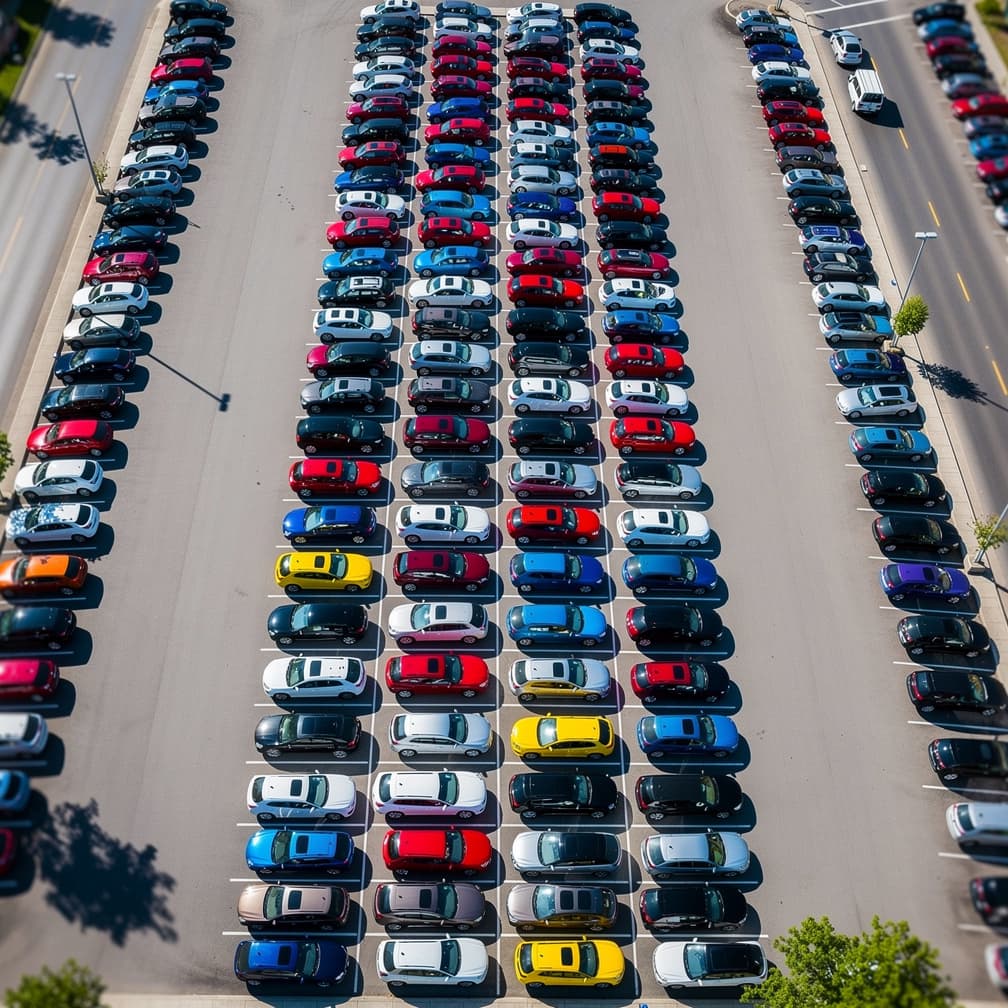
A summer storm rolls across the Triad after closing, water moves across the lot, and by morning you are sorting out which units took on damage and which need to be pulled from the sales line. Your inventory sits outside, often in tight rows, where one weather event can affect multiple vehicles at once. What you are really buying is coverage built around how your inventory is staged and whether any vehicles rotate between the main lot and nearby overflow space. Forsyth County has 9,026 business establishments, which means you are competing for landlord attention and vendor terms in a market where vague certificates do not hold up. If your operation uses more than one storage area, reconditioning partners, or frequent dealer trades, your policy needs to reflect those movements on paper before a loss exposes a gap.
Dealer Open Lot Insurance Risk Factors in Winston-Salem
Weather concentration is the local issue. North Carolina's leading natural hazards are a real backdrop here, and for an open lot that means **one storm can damage multiple units** in the same event rather than a single vehicle loss. That changes how you should review limits, deductibles, and any reporting requirements tied to fluctuating inventory. If vehicles are packed tightly, parked on lower sections of the property, or shifted between the front line and overflow storage, your records need to show where units are kept and when they move. A practical review here focuses on drainage patterns across the property, how quickly staff can relocate vehicles before severe weather, and whether your inventory values are updated often enough to match what is actually on the ground. Bring a current inventory list, all storage addresses, and your peak unit counts into the quote process so the policy can be reviewed against the way the lot really operates.
North Carolina has a high climate risk rating. Top hazards: Hurricane (Very High), Flooding (High), Severe Storm (High), Tornado (Moderate). The state's expected annual loss from natural hazards is $2.8B, which influences dealer open lot insurance premiums and may affect coverage availability in high-risk areas.
What Dealer Open Lot Insurance Covers
A coastal lot, an inland overflow yard, and a paved urban location can present very different loss patterns even when the vehicle count looks similar on paper. That is why you want the policy review to follow your operations: primary display area, back lot, service-adjacent parking, temporary storage, transport between owned locations, and any place units sit before sale.
Ask specifically how the policy treats vehicles kept at more than one address. If you rotate inventory between a main lot and a secondary storage site, that should be disclosed up front so the schedule and location details match reality. The same goes for units parked offsite during construction, lot resurfacing, or seasonal overflow. A claim gets harder to resolve when the insurer learns after the fact that inventory regularly sits somewhere not clearly described in the application.
Buyers should also review how the policy responds to weather-driven losses, because the state faces several natural hazard patterns that can affect outdoor inventory. Your deductible, limits, and storage practices should be tested against the hazards most relevant to your county and your exact lot layout. If water can pool near lower rows, if trees border the property, or if wind can turn unsecured objects into projectiles, those are underwriting details worth raising early.
You should also confirm how the policy handles ordinary dealership movement. Vehicles may be repositioned for merchandising, moved to detail, taken to a nearby storage area, or prepared for customer demonstrations. Those routine handling steps need to line up with the policy terms you are buying. Before you finalize coverage, walk the lot and write down every place a unit can sit, every person who can move it, and every circumstance where it leaves the main premises.
Coverage Included

Weather Damage
Covers hail, wind, flood, and storm damage to lot inventory.
Theft Protection
Covers vehicles stolen from your lot.
Fire Damage
Covers fire and explosion damage to inventory vehicles.

Vandalism
Covers intentional damage to vehicles on your lot.
Test Drive Coverage
Covers vehicles during customer and employee test drives.
Transit Coverage
Covers vehicles being moved between lot locations.
Industries & Insurance Needs in Winston-Salem
Local commercial density is what changes demand around a dealership lot here. Forsyth County reports 9,026 business establishments, with retail trade at 15% of establishments, professional, scientific, and technical services at 10.6%, and health care and social assistance at 10.5%. That mix matters because a dealer is operating around a broad base of neighboring tenants, service vendors, and customer traffic patterns, so access, parking flow, and off-site vehicle movement tend to matter more than a simple single-address assumption. If your inventory is split between a visible sales frontage and a secondary storage area, or if units move through detail, repair, or delivery partners, ask for each location and operating pattern to be scheduled clearly. The more your day-to-day handling resembles a network instead of one fenced lot, the more important accurate location and inventory reporting becomes.
What Makes Winston-Salem Different
A local dealer may look like a single lot from the street, but the real exposure often sits across front-line display space, back-lot storage, service areas, and occasional off-site handling. Your open lot coverage is only as useful as the addresses, values, and vehicle movements it is built around. Routine interactions with landlords, lenders, and repair shops can force you to produce precise proof of coverage, not a vague certificate that leaves out where inventory actually sits. If vehicles are traded, stored temporarily elsewhere, or concentrated at one address during promotions or reconditioning, review those patterns before binding so a claim does not turn into an argument about where the vehicle was supposed to be.
Our Recommendation for Winston-Salem
Start with your lot map, not just your inventory total. Mark every place vehicles are kept overnight, any lower-lying sections of the property, and any overflow or temporary storage addresses. Then compare that map against the locations and values shown on your current quote or policy draft. If those do not line up, address the discrepancies before you focus on price. You should also review how often inventory values are updated, especially if unit counts swing during tax season, holiday promotions, or after dealer trades. Ask whether the quote assumes one address, whether newly acquired units are handled automatically for a period, and what documentation will help if weather damages several vehicles in one event. If you finance inventory, confirm that your proof of coverage matches what the lender expects. To get a useful quote, send the current inventory list, all storage addresses, peak counts, and any recent changes in lot use.
Get Dealer Open Lot Insurance in Winston-Salem
Enter your ZIP code to compare dealer open lot insurance rates from carriers in Winston-Salem, NC.
Business insurance starting at $25/mo
FAQ
Frequently Asked Questions
Winston-Salem dealers often need each storage address reviewed specifically. If vehicles move between the sales lot and overflow space, ask for every location to be scheduled clearly so a claim does not hinge on where a unit was parked that night.
Winston-Salem sits in Forsyth County, which has 9,026 business establishments. That density means landlords and lenders have enough competing tenants and borrowers to demand specific location schedules and current inventory values rather than a generic certificate.
Forsyth County's mix includes retail trade at 15%, professional services at 10.6%, and health care and social assistance at 10.5%. Those sectors bring delivery traffic, patient transport, and shared parking pressure that can crowd neighboring lots and complicate where you stage inventory. Clear address scheduling and documented vehicle movement become more important if your operation uses multiple spaces.
Winston-Salem buyers should review limits with event concentration in mind. A single storm can affect multiple vehicles at once, so the key question is whether your reported inventory values and deductibles still make sense at peak unit counts.
Winston-Salem's median household income is $57,673. Buyers at that income level tend to finance longer and shop price-sensitive segments, which can shift your inventory toward lower-cost units that turn faster. If your inventory mix has changed, update reported values and peak counts before renewal so the policy can help match current exposure.
Dealerships often may if sale inventory stays at that yard overnight or during overflow periods. The key issue is whether the address is disclosed and scheduled correctly, so ask the insurer to review every storage location before the policy is issued.
Lots should be reviewed around the state's leading natural hazards, because outdoor inventory can be affected differently by drainage, wind exposure, and surrounding debris. Ask how your deductible and storage practices fit your exact property layout.
Insurance is regulated by the North Carolina Department of Insurance, so it is smart to compare policy wording and complaint-handling expectations with that state framework in mind before you choose a quote.
Sources
- 1.U.S. Census Bureau, County Business Patterns, Forsyth County(Forsyth County has 9,026 business establishments, so landlords, lenders, vendors, and service partners often expect clean proof of coverage and clear location schedules before they extend terms or hand over access.; Forsyth County reports 9,026 business establishments, with retail trade at 15% of establishments, professional, scientific, and technical services at 10.6%, and health care and social assistance at 10.5%.)
- 2.U.S. Census Bureau, ACS 5-Year Estimates, table B19013(Winston-Salem's median household income is $57,673, which can influence the mix of vehicles you stock and how quickly units turn.)
Updated July 16, 2026