







































Updated July 5, 2026

Inland Marine Insurance in Winston-Salem
A tighter local market changes how you shop this coverage. Fewer agents and underwriters may see the same account details differently, so inland marine insurance in Winston-Salem is often less about finding a generic form and more about presenting a clear schedule of what moves, where it goes, and who expects proof before work starts. That matters if you carry contractor tools between remodels, move diagnostic or service equipment to client locations, or transport customer property for repair, calibration, or installation.
Forsyth County has 9,026 business establishments, so even in a smaller metro, vendors, landlords, and commercial customers often want certificates that match the property you actually take off premises. A vague application can slow binding or leave key items unscheduled. Here, the practical move is to list high-value tools, mobile equipment, and any property of others separately, then match limits to your busiest week, not your quietest one. If your jobs shift between a shop, a van, and temporary sites, ask for wording to be reviewed around transit, loading and unloading, and property kept at a job site overnight.
Inland Marine Insurance Risk Factors in Winston-Salem
Winston-Salem's top risk factors include Flooding, Hurricane damage, Coastal storm surge, and Wind damage.
North Carolina has a high climate risk rating. Top hazards: Hurricane (Very High), Flooding (High), Severe Storm (High), Tornado (Moderate). The state's expected annual loss from natural hazards is $2.8B, which influences inland marine insurance premiums and may affect coverage availability in high-risk areas.
What Inland Marine Insurance Covers
Inland marine insurance is built for business property that is not staying at one fixed address, so it is commonly used for tools, equipment, materials, and goods moving between job sites, customer locations, and temporary storage. The core coverage options include tools and equipment, goods in transit, contractors equipment, installation floater, and builders risk. North Carolina does not have a special inland marine mandate, but your specific trade and how large your operation is will dictate your needs, and policies are regulated by the North Carolina Department of Insurance.
In a state with hurricane exposure on the coast, flooding concerns in low-lying areas, and severe storm activity, businesses often review whether temporary storage, transit between locations, and job-site placement are all included. Those three exposure points are where mobile property claims tend to surface during storm season. Commercial property coverage can help protect items at a fixed location, but it does not follow gear that leaves the main premises in job trailers, service vans, construction sites, and offsite storage yards. Inland marine insurance is the fill-in for that mobile property.
Coverage Included
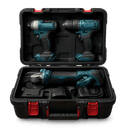
Tools & Equipment
Can help repair or replace hand tools, power tools, and gear that are stolen or damaged on the job or in transit.
Goods in Transit
May cover products, materials, and merchandise while they are being shipped or hauled between locations in your care.
Contractors Equipment
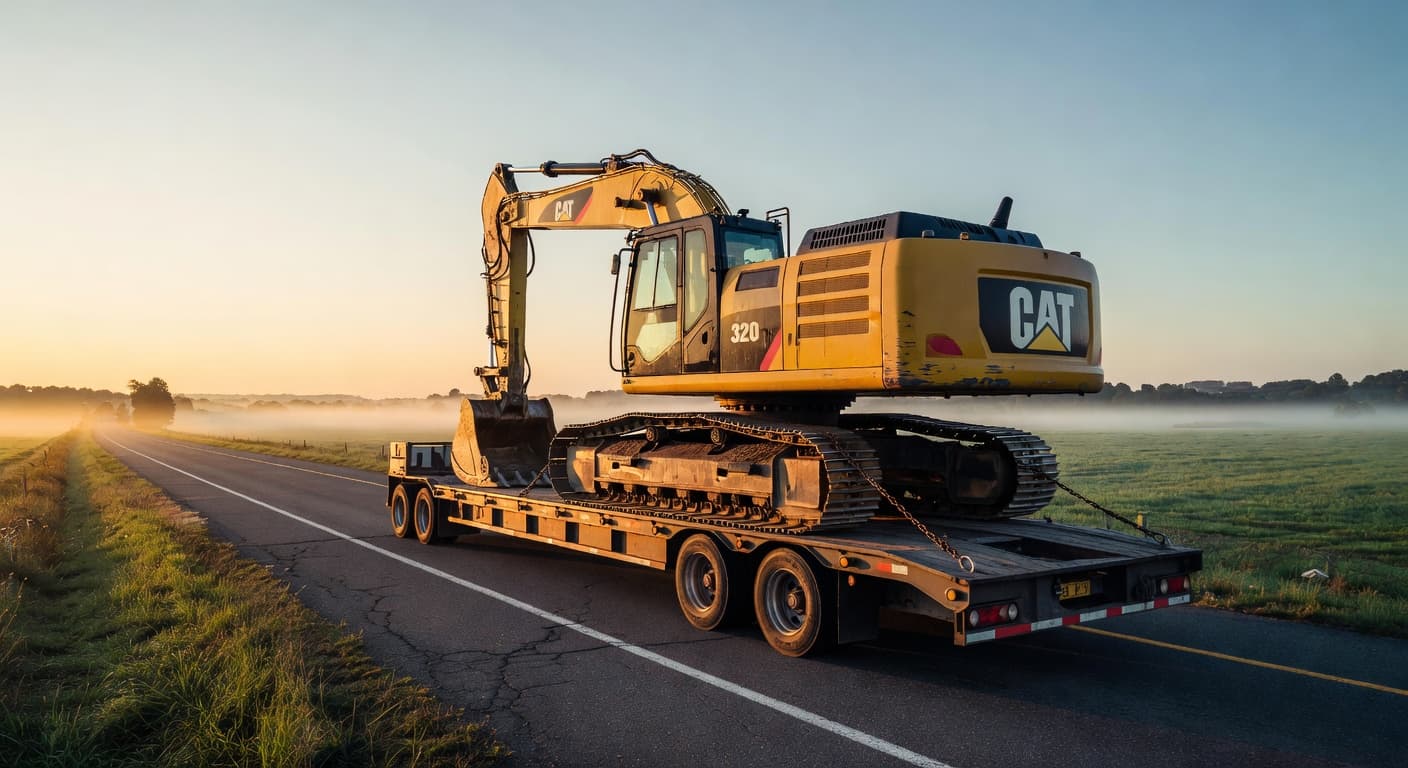
Typically covers heavy machinery like excavators, loaders, and generators against theft or damage at job sites and between them.
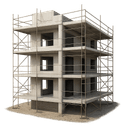
Installation Floater
Can help cover materials and fixtures from the moment you buy them until they are installed and accepted at a project.
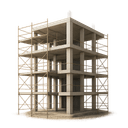
Builders Risk
May cover a structure under construction, along with materials on site, against damage from fire, wind, theft, and vandalism.
Inland Marine Insurance Cost in Winston-Salem
Average Cost in North Carolina
$20 - $95
per month
Businesses in North Carolina typically see inland marine insurance premiums of $20 - $95 per month, which tends to run 4% below the national range of $20 - $100 per month.
- Total insured value of the scheduled property
- Type and age of the equipment
- Where it is stored and how far it travels
- Jobsite security and theft prevention
- Per-item limits and deductibles
- Prior theft and in-transit losses
Contact CPK Insurance for a personalized quote.
Prices shown are general estimates, not guaranteed rates or quotes. Your actual premium will depend on the insurer, coverage selected, business details, location, claims history, and other underwriting factors. Learn about our pricing methodology.
Monthly premiums often start from $20 to $95, though your actual cost depends heavily on your equipment schedule and risk profile. Hurricane risk is a major pricing factor here, especially for businesses operating near the coast, in flood-prone areas, or in counties that have seen repeated disaster declarations. Premiums also move with coverage limits, deductibles, claims history, location, industry or risk profile, and policy endorsements. A contractor storing gear in a coastal area may be rated differently from a service business inland.
A business with higher-value portable property, frequent transit, or job-site exposure may still see a wider range of prices. Because the state has a large small-business base, many policies are built around modest but important equipment schedules, where the cost depends heavily on how much property is actually moving. For the most accurate quote, carriers usually want a clear inventory, estimated values, storage practices, and the counties where the property is used.
Industries & Insurance Needs in Winston-Salem
Forsyth County's business mix changes which inland marine questions matter most. Retail trade accounts for 15% of county establishments, professional, scientific, and technical services 10.6%, and health care and social assistance 10.5%. So the local buyer is not always a contractor hauling saws and compressors. You may be moving display fixtures, portable diagnostic devices, testing equipment, laptops tied to field work, or customer items picked up for service.
That mix matters because inland marine forms are only useful when the property description matches the operation. A retailer with seasonal off-site inventory, a professional firm with mobile equipment, and a health-related service business carrying specialized devices can all need different scheduling and valuation choices. Before you request terms, separate owned equipment from customer property, note whether items travel daily or only for certain jobs, and identify any equipment that stays in vehicles or temporary locations after hours. That gives the underwriter a cleaner picture and reduces the chance that a broad label like "miscellaneous tools" hides the property you care about most.
What Makes Winston-Salem Different
Relationship-driven underwriting is the main difference here. In a market this size, your submission quality can matter as much as the class code because the same local projects, landlords, and commercial clients tend to circulate proof requirements quickly. If your certificate needs to show the right property category, limit, or job-site exposure, a thin application can create back-and-forth at the exact moment you are trying to start work or release equipment.
That is why the buying calculus is more operational than abstract. Winston-Salem buyers should think through how property moves during a normal week: from office to vehicle, vehicle to site, site back to storage, and sometimes into your care for repair or installation. The county's 9,026 establishments mean there is plenty of commercial activity, but not so much that you can assume every underwriter will infer your exposure from a short description. Spell out transit patterns, temporary storage, and any borrowed or customer-owned property. You are usually rewarded for specificity, especially if you need certificates turned around without delays.
Our Recommendation for Winston-Salem
Start with an inventory that reflects movement, not just ownership. Group property by how it is used: tools and equipment you carry every day, higher-value items that travel only for certain jobs, and customer property that comes into your custody for service, repair, or installation. That makes it easier to decide what should be scheduled individually and what can sit under a broader category.
Next, review your busiest operating pattern. If you sometimes have equipment in a vehicle, at a temporary site, and back at your premises on the same day, ask for those transitions to be reviewed carefully. If you issue certificates to commercial customers, confirm that the description of covered property matches what your contracts require you to bring on site. Forsyth County's broad mix of retail, professional services, and health-related businesses means local accounts often blend office equipment, specialized devices, and customer items in one policy conversation. Bring a current equipment list, recent invoices for higher-value items, and a sample contract when you request a free, no-obligation quote.
Get Inland Marine Insurance in Winston-Salem
Enter your ZIP code to compare inland marine insurance rates from carriers in Winston-Salem, NC.
Business insurance starting at $25/mo
FAQ
Frequently Asked Questions
Winston-Salem businesses often do if tools, equipment, or customer property move between vehicles, job sites, and temporary locations. The key review point is not just value, but how often property is off premises and whether anything stays at a site or in a vehicle overnight.
Forsyth County has 9,026 business establishments, so many local accounts compete for quick certificate turnaround and clear proof of coverage. A detailed equipment schedule and accurate transit description can reduce delays and help the policy match how property actually moves.
Winston-Salem service businesses often need that reviewed specifically. If you pick up, transport, repair, calibrate, or install customer items, ask whether property of others should be scheduled or endorsed separately instead of assuming owned-property wording is enough.
Forsyth County's mix, retail trade 15%, professional services 10.6%, and health care and social assistance 10.5%, points to more than construction use cases. Businesses with mobile devices, display property, testing equipment, or customer items in transit should review this coverage.
Winston-Salem buyers should bring an equipment list, values for higher-cost items, where property travels during a normal week, and any contract language requiring proof of coverage. If customer property is involved, note when it is in transit, on site, or stored temporarily.
It may cover mobile business property such as tools, equipment, materials, and goods that move between job sites, customer locations, or temporary storage. Your policy form, specific endorsements, and scheduled values drive the exact protection you receive.
It is designed to follow covered property away from a fixed business location, so offsite storage and job-site use can be included if the policy is written for those exposures and the carrier approves the location details.
Contractors, electricians, plumbers, landscapers, and other businesses that regularly move portable tools across job sites are common candidates, especially when equipment is stored in trailers, trucks, or temporary yards.
Sources
- 1.U.S. Census Bureau, County Business Patterns, Forsyth County(Forsyth County has 9,026 business establishments, so even in a smaller metro, vendors, landlords, and commercial customers often want certificates that match the property you actually take off premises.; Retail trade accounts for 15% of county establishments, professional, scientific, and technical services 10.6%, and health care and social assistance 10.5%.)
Updated July 5, 2026





