







































Updated July 5, 2026

On-Hook Towing Insurance in Winston-Salem
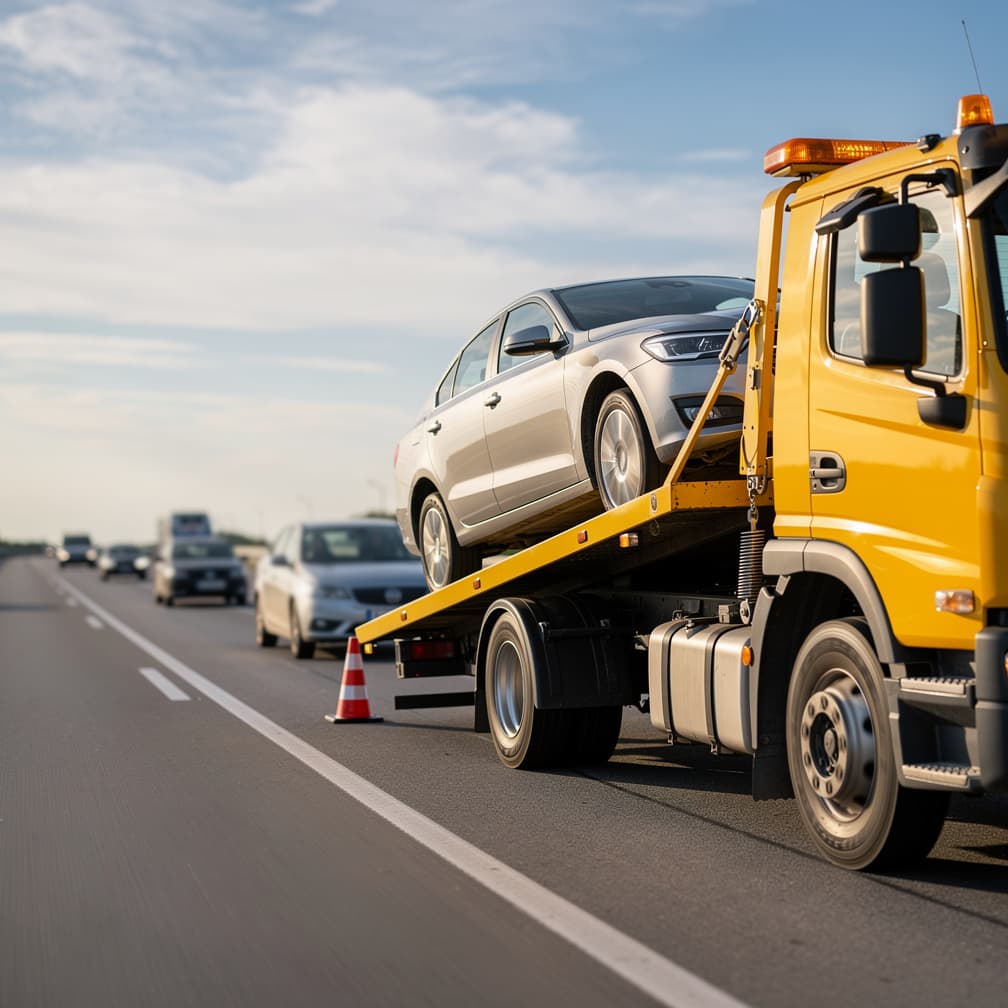
A loaded vehicle shifts on your bed after a stop near a retail corridor, the owner says the damage was not there before, and now the handoff turns into a condition dispute. That is the kind of claim on-hook towing insurance in Winston-Salem is built to answer, especially where local towing work mixes customer pickups, dealer moves, apartment calls, and private property removals in the same week. Forsyth County has 9,026 business establishments, so your trucks are not just meeting stranded drivers. They are also entering shopping centers, medical offices, service lots, and commercial properties where access is tighter, documentation matters more, and a bad handoff can cost you the account. Here, the issue is often not whether you can tow the unit. It is whether your policy matches how often you take custody in busy parking areas, after-hours lots, and higher-turnover commercial locations. Before you request terms, line up your truck list, typical towed units, storage setup, and the kinds of calls that create the most disagreement over pre-existing damage.
On-Hook Towing Insurance Risk Factors in Winston-Salem
Local risk comes from where custody changes hands. In this market, a meaningful share of towing activity can involve retail sites, health care properties, and office locations where vehicles are parked close together and owners may not be present when you load. Forsyth County's establishment mix includes retail trade at 15%, professional, scientific, and technical services at 10.6%, and health care and social assistance at 10.5%, so a local operator often works in lots where space is constrained, traffic keeps moving, and witnesses are limited. That raises the odds of disputes about scrape marks, wheel damage, or what happened during loading and unloading. Review whether your **on-hook limit** fits the **highest-value vehicles** you actually move, not just routine roadside calls. It is also worth asking how the policy handles claims investigation when the loss allegation starts with a photo taken after the tow, not before it.
North Carolina has a high climate risk rating. Top hazards: Hurricane (Very High), Flooding (High), Severe Storm (High), Tornado (Moderate). The state's expected annual loss from natural hazards is $2.8B, which influences on-hook towing insurance premiums and may affect coverage availability in high-risk areas.
What On-Hook Towing Insurance Covers
In North Carolina, the real question is how a claim gets argued after the fact. A damaged bumper, scraped wheel, broken air dam, suspension complaint, or drivetrain allegation often turns on your loading method, your release procedure, and whether your file shows the vehicle condition before hookup and after drop-off.
On-hook towing insurance is the part of your policy that can help cover a customer vehicle while it is attached to your truck, in transit, or being unloaded. For that reason, you should review on-hook terms around the parts of the job where disputes actually start. Think about low-clearance vehicles pulled from apartment complexes, all wheel drive units that need the right handling method, police-directed removals where the owner is not present, and after-hours drops where no one signs at delivery. A luxury sedan loaded at the wrong angle invites a bigger payout than a beater pickup hauled the same way. Rain, wind, and storm cleanup can increase emergency calls, reduce visibility, and create rushed loading conditions that turn a straightforward tow into a damage dispute.
You should also compare how your policy coordinates with the rest of your towing program. If you run storage, impounds, recovery, or dealer transport, ask where one coverage responsibility ends and another begins so a claim does not get delayed by avoidable gaps in reporting. Request specimen forms, not just a summary, before you bind.
Coverage Included
Collision on Hook
Covers damage to towed vehicles from collisions during transport.
Comprehensive on Hook
Covers theft, fire, and weather damage to vehicles being towed.
Loading & Unloading
Covers damage during the process of loading and unloading vehicles.
Winching Coverage
Covers damage to vehicles during winching and recovery operations.
Multiple Vehicle
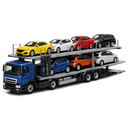
Covers all vehicles on multi-car carriers and rollback flatbeds.
What Makes Winston-Salem Different
Commercial parking lot work is the difference here. In some places, on-hook exposure is driven mostly by open-road roadside assistance. Around Winston-Salem, the county business base points to a steadier flow of calls tied to stores, offices, and health care properties, where the towing event starts in a managed lot rather than on a shoulder. Forsyth County has 9,026 business establishments, so property managers, tenants, vendors, and visitors create more frequent custody transfers in places with curbs, islands, tight turns, and limited room to stage a clean load. That changes the buying calculus because many on-hook claims are argued through vehicle condition, loading angle, and who had control at each moment. If your book includes apartment enforcement, private property impounds, dealer overflow, or commercial account work, ask for terms that fit those handoffs. A policy review should focus on your real mix of calls, your documentation process, and the highest-severity tow you accept.
Our Recommendation for Winston-Salem
Start with your loss points, not your truck count. If most disagreements begin in shopping centers, medical campuses, or office lots, tell the agent that up front and describe how your drivers photograph vehicles before hookup, during loading, and at delivery. That helps the quote reflect the way claims actually develop here. Next, separate routine roadside work from private property and account-based towing if the handling process differs. A carrier will usually want to understand whether your operators deal with absent owners, after-hours authorizations, gated access, or tighter loading conditions. Review your maximum on-hook value against the most expensive unit you are willing to move, including dealer or fleet work if you take it. If you also store vehicles after tow, keep that discussion distinct so the policy structure is clear. Before binding, ask for sample claim reporting steps so your drivers know what to document the same day a damage allegation is made.
Get On-Hook Towing Insurance in Winston-Salem
Enter your ZIP code to compare on-hook towing insurance rates from carriers in Winston-Salem, NC.
Business insurance starting at $25/mo
FAQ
Frequently Asked Questions
Winston-Salem towing work often involves commercial properties where custody starts in tighter parking areas, not on an open shoulder. Forsyth County has 9,026 business establishments, so you should review how your policy fits frequent handoffs, photo documentation, and disputed vehicle condition.
Forsyth County business mix can affect the kind of calls you handle. Retail trade is 15%, professional services 10.6%, and health care and social assistance 10.5%, so many local tows can start in managed lots where loading space and owner presence are less predictable.
Winston-Salem operators should show the kinds of properties they service, the highest-value vehicles they tow, driver photo procedures, and whether calls involve absent owners or after-hours authorizations. That gives the underwriter a clearer picture of where on-hook claims are most likely to start.
Winston-Salem account work can justify a closer look at limits if you move dealer units, fleet vehicles, or higher-value customer cars. The right review point is the most expensive vehicle you will actually accept, not the average roadside tow.
Winston-Salem local income figures are less useful than your actual tow mix for on-hook buying decisions. Focus first on vehicle values, loading environments, and how often your drivers handle disputed condition at pickup or delivery.
Yes. Private property impounds create some of the most common damage disputes in the state, especially when the owner is not present at pickup or release. Photo documentation, tow tickets, and clear policy terms are especially important before you rely on a quote for this work.
Weather can turn a routine tow into a disputed damage file by changing visibility, footing, and loading conditions. If you handle storm response or flood-related disablements, ask how those scenarios are documented and reviewed under your policy terms.
Buyers should provide a truck schedule, driver list, service area, contracts, and a clear breakdown of towing, impound, recovery, and transport work. Time-stamped photos and condition reports also help an underwriter understand how you manage claims.
Sources
- 1.U.S. Census Bureau, County Business Patterns, Forsyth County(Forsyth County has 9,026 business establishments, so your trucks are not just meeting stranded drivers.; Forsyth County's establishment mix includes retail trade at 15%, professional, scientific, and technical services at 10.6%, and health care and social assistance at 10.5%, so a local operator often works in lots where space is constrained, traffic keeps moving, and witnesses are limited.)
Updated July 5, 2026





