







































Updated July 16, 2026

Commercial Truck Insurance in Bismarck
Most truck work around the capital is short-haul, stop-and-go, and tied to job schedules rather than long uninterrupted interstate miles. If you are shopping for commercial truck insurance in Bismarck, that changes what underwriters need to see on the application. They want to know where units park, how often drivers back into alleys or tight lots, and who loads the vehicle at each stop. They also ask whether the same truck shifts between materials and local delivery during the week. Burleigh County has 3,201 business establishments. That density means most trucks here run varied local routes instead of a single repetitive lane, so underwriters care more about stop frequency than total mileage. Your quote review should focus less on a generic statewide trucking profile and more on how your trucks actually operate day to day. Think about route radius, garaging address, driver schedules, and whether borrowed or owned pickups create hired or non-owned auto exposure. Before you compare options, map your real weekly radius and list every vehicle use by job type.
Commercial Truck Insurance Risk Factors in Bismarck
Bismarck's top risk factors include Severe weather, Property crime, Flooding, and Vehicle accidents.
North Dakota has a high climate risk rating. Top hazards: Severe Storm (Very High), Flooding (High), Winter Storm (Very High), Tornado (High). The state's expected annual loss from natural hazards is $480M, which influences commercial truck insurance premiums and may affect coverage availability in high-risk areas.
What Commercial Truck Insurance Covers
North Dakota trucking policies usually start with motor carrier liability, then add the protections that match the way you operate on state highways, county roads, and interstate lanes. For many operators, that liability coverage is the backbone, while physical damage can help address repair costs after a collision or other covered loss. Cargo insurance is often added when you haul freight that can be damaged in transit, and trailer interchange can matter if you pull equipment that belongs to another party. Bobtail coverage and non-trucking liability are separate options for owner-operators who sometimes drive without a trailer or outside dispatch activity.
State rules do not replace federal trucking obligations, but North Dakota does require commercial auto minimums, and many freight operations need more than that because federal FMCSA liability minimums for general freight are $750,000. That means a single at-fault accident causing severe injury or property damage could exhaust lower limits and leave your business exposed, so most interstate carriers buy at or above that threshold. If you haul hazardous materials, the required liability can be much higher. Shippers and brokers may also ask for higher limits or specific endorsements before they load you.
Review whether your quote includes cargo limits, trailer interchange terms, and whether non-trucking use is excluded when the truck is under dispatch. North Dakota's severe storm and winter storm exposure makes physical damage especially relevant for tractors, trailers, and refrigerated units that can be stranded or damaged during weather events.
Coverage Included

Motor Carrier Liability
Can help cover injuries and property damage your truck causes to others, a coverage federal regulators require most for-hire carriers to maintain.
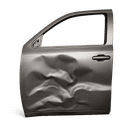
Physical Damage
Can help pay to repair or replace your own truck after an accident, fire, theft, or vandalism.
Cargo Coverage
May pay for damage to or theft of the freight you are hauling while it is in your care.
Trailer Interchange
Can help cover damage to trailers you haul under an interchange agreement but do not own.
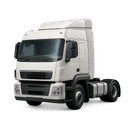
Bobtail Coverage
May provide liability protection when you drive your tractor without a trailer attached, such as after dropping off a load.

Non-Trucking Liability
Can help cover accidents that happen when you use your truck for personal errands rather than dispatched work.
Commercial Truck Insurance Cost in Bismarck
Average Cost in North Dakota
$330 - $875
per month
Businesses in North Dakota typically see commercial truck insurance premiums of $330 - $875 per month, which tends to run 21% below the national range of $400 - $1,125 per month.
- Radius of operation
- Commodities hauled and cargo value
- Number and value of power units
- Driver motor vehicle records and CDL experience
- DOT safety record, inspections, and FMCSA scores
- Liability limits and physical damage deductibles
Contact CPK Insurance for a personalized quote.
Prices shown are general estimates, not guaranteed rates or quotes. Your actual premium will depend on the insurer, coverage selected, business details, location, claims history, and other underwriting factors. Learn about our pricing methodology.
Commercial truck insurance cost in North Dakota varies by route, cargo, and risk profile. The state tends to sit below the national average on pricing indexes, but your actual quote still moves based on those same factors. A truck running through major metro areas may face different pricing than a unit that stays closer to one local service area, because location is one of the stated rating factors and North Dakota has elevated severe storm risk.
Claims history is another major driver. North Dakota's auto claim environment tends to show higher average claim costs relative to some other states, and recent crash data suggests a meaningful volume of roadway incidents, meaning a clean loss record can matter when carriers price liability and physical damage. Weather history also influences underwriting because the state has experienced numerous disaster declarations over time. Those weather conditions can be especially important for long-haul fleets and trucks parked outdoors in rural yards.
Higher liability limits, lower deductibles, cargo endorsements, or trailer interchange can raise the premium, while a tighter coverage package may reduce it. Policy endorsements can move pricing up or down depending on whether you need bobtail coverage, non-trucking liability, or broader cargo terms.
Industries & Insurance Needs in Bismarck
Burleigh County business mix matters because it points to the kind of truck work that tends to cluster around Bismarck. County Business Patterns shows the leading sectors by establishment share are construction at 12.7%, retail trade at 12.2%, and other services, except public administration, at 11.7%, so local fleets often move between supply yards, active job sites, storefront deliveries, and service calls instead of staying in one freight pattern. That can change how you review liability limits, cargo descriptions, and physical damage deductibles. A contractor hauling tools and materials, a retailer making scheduled deliveries, and a service company sending vans with equipment all present different loading, parking, and driver-use questions, even if the trucks look similar on paper. If your operation touches more than one of those sectors, ask for the quote to separate vehicle classes and usage so one mixed-use unit does not distort the whole account.
What Makes Bismarck Different
Many trucks here spend the day moving between commercial properties, yards, shops, and customer locations. That stop frequency matters more to underwriters than total miles driven. A truck that backs, parks, unloads, and re-enters traffic repeatedly can create a different claims profile than one that spends most of its time on a steady highway run. The county containing Bismarck reports a median household income of $77,608. Your customers likely have the budget to expect reliable scheduling, professional certificates of insurance, and quick claim handling when a loss interrupts work. If your trucks support customer-facing commitments, look at downtime planning, rental reimbursement options where available, and certificate turnaround before you bind.
Our Recommendation for Bismarck
Start with a unit-by-unit schedule, not a rough fleet estimate. Document where each truck parks, how far it typically travels, what it carries, and who drives it. If one vehicle handles contractor materials on some days and retail or service deliveries on others, say that plainly instead of forcing it into one narrow description. Have your agent walk through each coverage line in light of how the truck is actually dispatched. Liability, physical damage, cargo, and any non-trucking or hired and non-owned auto exposure all deserve that conversation. If you run pickups, service bodies, box trucks, or light and medium duty units alongside heavier equipment, request separate rating treatment where appropriate. If a certificate is often needed before entering a site or starting work, test the certificate process before purchase. One clean way to shop is to bring a recent loss run, current declarations, and a written list of every regular stop type.
Get Commercial Truck Insurance in Bismarck
Enter your ZIP code to compare commercial truck insurance rates from carriers in Bismarck, ND.
Business insurance starting at $25/mo
FAQ
Frequently Asked Questions
Underwriters see more backing, parking, and loading exposure on local routes than on a steady highway run. They usually want a clearer picture of radius, parking, and backing activity than they would for a simple long-haul lane.
Burleigh County has 3,201 business establishments. That density means most trucks here run varied local routes instead of a single repetitive lane, so vehicle use, stop frequency, and certificate needs are worth documenting carefully before you compare quotes.
Describe mixed-use trucks exactly as they are used. A unit that alternates between materials hauling, equipment transport, and local delivery can be misrated if the application shows only one exposure.
Burleigh County is led by construction, retail trade, and other services by establishment share. Many local fleets support job sites, storefront deliveries, and service calls, which is a good reason to review cargo descriptions and driver use closely.
Bismarck businesses that enter job sites, leased spaces, or vendor programs should ask about certificate turnaround before binding. Fast, accurate certificates matter when work starts on schedule and access depends on proof of coverage.
It can include motor carrier liability, physical damage, cargo coverage, trailer interchange, bobtail coverage, and non-trucking liability, depending on how you operate in North Dakota and what your policy is written to cover.
North Dakota uses commercial auto minimums of $25,000/$50,000/$25,000, but general freight carriers may need at least $750,000 in liability under federal rules, and some loads require more.
Your quote can vary based on limits, deductibles, claims history, location, endorsements, and the type of freight you haul. A local delivery van running short routes in Fargo will look very different from a long-haul tanker crossing I-94 through winter storms, so expect a wide range even within the state.
Sources
- 1.U.S. Census Bureau, County Business Patterns, Burleigh County(Burleigh County has 3,201 business establishments, so many operators here are serving a dense local customer base of stores, contractors, service firms, and public-facing properties rather than running one repetitive lane every day.; County Business Patterns shows the leading sectors by establishment share are construction at 12.7%, retail trade at 12.2%, and other services, except public administration, at 11.7%, so local fleets often move between supply yards, active job sites, storefront deliveries, and service calls instead of staying in one freight pattern.)
- 2.U.S. Census Bureau, ACS 5-Year Estimates, table B19013(The county containing Bismarck also reports a median household income of $77,608, which is a useful reminder that many deliveries and service calls here support households and businesses that expect reliable scheduling, professional certificates of insurance, and quick claim handling when a loss interrupts work.)
Updated July 16, 2026





