








































Updated July 16, 2026

Inland Marine Insurance in Bismarck
For many local contractors, service firms, and retailers, the answer is yes. The exposure here often turns on short, repeated moves between shops, customer locations, and temporary work sites rather than long-haul transit alone. That changes what you should put on the schedule and how you describe daily operations. Burleigh County has 3,201 business establishments, and that volume puts a lot of neighboring firms on the same routes and job sites on any given day. The county mix also matters: construction accounts for 12.7% of establishments, retail trade 12.2%, and other services 11.7%. A large share of local businesses routinely carry tools, stock, or mobile equipment away from a main premises as part of normal work. If your current policy only lists broad categories and rough values, check whether it matches the property you actually load, unload, stage, and leave at temporary locations.
Inland Marine Insurance Risk Factors in Bismarck
Bismarck's top risk factors include Severe weather, Property crime, Flooding, and Vehicle accidents.
North Dakota has a high climate risk rating. Top hazards: Severe Storm (Very High), Flooding (High), Winter Storm (Very High), Tornado (High). The state's expected annual loss from natural hazards is $480M, which influences inland marine insurance premiums and may affect coverage availability in high-risk areas.
What Inland Marine Insurance Covers
Inland marine insurance is built for property that is mobile, in transit, or stored away from your primary premises, which is different from fixed-location commercial property coverage. Tools, equipment, materials, goods being transported between locations, and other mobile business property can be scheduled or described so the policy follows them to job sites, customer locations, or temporary storage. For contractors working across the state, that flexibility matters because a job can move from a warehouse to a field site to a temporary laydown area in the same week. The product also fits installation floater coverage when materials are being installed at a customer location, and builders risk coverage when a project is under construction, though the exact structure varies by carrier and project type. North Dakota does not provide a state-mandated inland marine form or minimum limit, so what is covered depends on the policy wording, the limits you choose, and the endorsements you add. Common policy considerations include theft, damage, vandalism, and other covered perils while property is away from the main business location, but exclusions and sublimits vary by insurer and by the type of property insured. Because the North Dakota Insurance Department regulates the market, read your policy forms carefully and ask a licensed professional to walk you through anything unclear.
Coverage Included
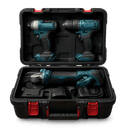
Tools & Equipment
Can help repair or replace hand tools, power tools, and gear that are stolen or damaged on the job or in transit.
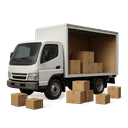
Goods in Transit
May cover products, materials, and merchandise while they are being shipped or hauled between locations in your care.
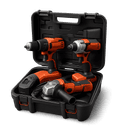
Contractors Equipment
Typically covers heavy machinery like excavators, loaders, and generators against theft or damage at job sites and between them.
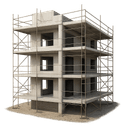
Installation Floater
Can help cover materials and fixtures from the moment you buy them until they are installed and accepted at a project.
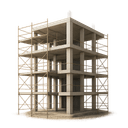
Builders Risk
May cover a structure under construction, along with materials on site, against damage from fire, wind, theft, and vandalism.
Inland Marine Insurance Cost in Bismarck
Average Cost in North Dakota
$20 - $85
per month
Businesses in North Dakota typically see inland marine insurance premiums of $20 - $85 per month, which tends to run 12% below the national range of $20 - $100 per month.
- Total insured value of the scheduled property
- Type and age of the equipment
- Where it is stored and how far it travels
- Jobsite security and theft prevention
- Per-item limits and deductibles
- Prior theft and in-transit losses
Contact CPK Insurance for a personalized quote.
Prices shown are general estimates, not guaranteed rates or quotes. Your actual premium will depend on the insurer, coverage selected, business details, location, claims history, and other underwriting factors. Learn about our pricing methodology.
The state pricing picture is shaped by a market that sits below the national average overall, though your specific premium depends on several moving parts. North Dakota carries elevated severe storm risk, with very high winter storm and severe storm exposure, high flooding and tornado exposure, and a history of major disasters including the 2024 tornado outbreak, the 2023 derecho, and 2023 river flooding. Those conditions matter when property is hauled between job sites or stored temporarily in areas exposed to weather-related loss. Premiums also reflect the state's competitive market, with numerous active insurers participating in the broader marketplace. Because the vast majority of the state's businesses are small operations, many buyers are comparing a narrow set of limits rather than broad enterprise programs, which can keep pricing more tailored. Expect underwriters to ask what you move, where it travels, how often it is offsite, and whether you need goods in transit, contractors equipment, or installation floater coverage as part of the policy structure.
What Makes Bismarck Different
In a market centered on frequent service calls, short delivery runs, and equipment moving between a home base and active jobs, inland marine losses are often tied to ordinary handling and temporary staging, not just highway transit. That means the buying decision is less about distance and more about how often property changes location during a normal week.
Burleigh County's business mix points to that pattern. Construction holds a 12.7% establishment share, retail trade 12.2%, and other services at 11.7%. Those sectors typically work from vehicles and job sites rather than a single fixed counter. They are loading tools in the morning, dropping materials at a site, carrying customer items for repair or installation, and returning with different property at the end of the day. If that sounds like your operation, your policy should reflect item classes, peak values, and temporary location handling rather than a generic description that assumes property stays inside one building.
Our Recommendation for Bismarck
Start with a simple property map of your week. Walk through what leaves your premises, who takes custody of it, where it sits during the day, and whether values spike when you pick up materials or customer property for a specific job. What you find will tell you whether your schedule needs tighter item listing, broader property classes, or clearer language for temporary locations.
If you work in contracting, field service, or local delivery, compare your largest single item value against your total mobile property value before renewing. A single trailer, pallet of materials, or set of diagnostic equipment can exceed the limit you actually bought and leave the gap sitting on your balance sheet. If you sell, install, or repair higher-value items for households, Bismarck's median household income is $77,608. Households at that income level tend to own higher-value electronics, appliances, and fixtures, so the customer property in your custody may carry replacement values your forms did not anticipate a few years ago. Bring an updated equipment list, recent invoices, and your busiest-season values when you request a quote.
Get Inland Marine Insurance in Bismarck
Enter your ZIP code to compare inland marine insurance rates from carriers in Bismarck, ND.
Business insurance starting at $25/mo
FAQ
Frequently Asked Questions
Yes, because property does not have to cross state lines to be at risk. Local contractors, retailers, and service firms regularly move tools, stock, and customer property between premises, vehicles, and temporary sites during the same day.
Burleigh County has 3,201 business establishments, with construction at 12.7%, retail trade at 12.2%, and other services at 11.7%. **Those three sectors alone account for over a third of the county's business base, so tools, installation materials, and customer property leaving the main location are common rather than occasional.**
If you carry a few high-value items, scheduling may fit better. If crews rotate many smaller tools between jobs, broader classes may be worth reviewing. The right choice depends on how your crews actually work day to day.
Bismarck retailers and service businesses may need it if customer items leave the store for delivery, repair, installation, or temporary storage. Pay attention to where custody changes hands and whether values climb during busy periods or special orders.
The North Dakota Insurance Department can provide general consumer guidance, but the practical step is comparing forms line by line. Ask how each option treats property in transit, at temporary sites, and in your employees' custody.
It is designed for property that moves between job sites, customer locations, or temporary storage, including tools, equipment, materials, and goods being transported. Coverage details depend on the policy, but the product is meant to follow mobile property away from a fixed business location.
The coverage may extend beyond your main premises when property is at a job site or in temporary storage, which is useful for contractors working across the state. The exact protection depends on the form, limits, and endorsements you choose.
Contractors, electricians, plumbers, landscapers, and other businesses that carry portable equipment across the state are common buyers, and businesses that ship goods or hold customer property may also need it. North Dakota's small-business-heavy market makes this especially relevant for owners with limited room for loss.
Sources
- 1.U.S. Census Bureau, County Business Patterns, Burleigh County(In Burleigh County, there are 3,201 business establishments, so equipment, installation materials, and customer property often move through a dense local network of jobs, deliveries, and service calls where handoffs happen fast.; The county mix also matters: construction accounts for 12.7% of establishments, retail trade 12.2%, and other services 11.7%, so a lot of businesses here are carrying tools, stock, or mobile equipment away from a main premises as part of normal work.)
- 2.U.S. Census Bureau, ACS 5-Year Estimates, table B19013(If you sell, install, or repair higher-value items for households, Bismarck's median household income is $77,608, so you may be handling more expensive customer property than your forms assumed a few years ago.)
- 3.North Dakota Insurance Department(Bismarck buyers can use the North Dakota Insurance Department for general consumer guidance, but the practical step is comparing forms line by line.)
Updated July 16, 2026





