







































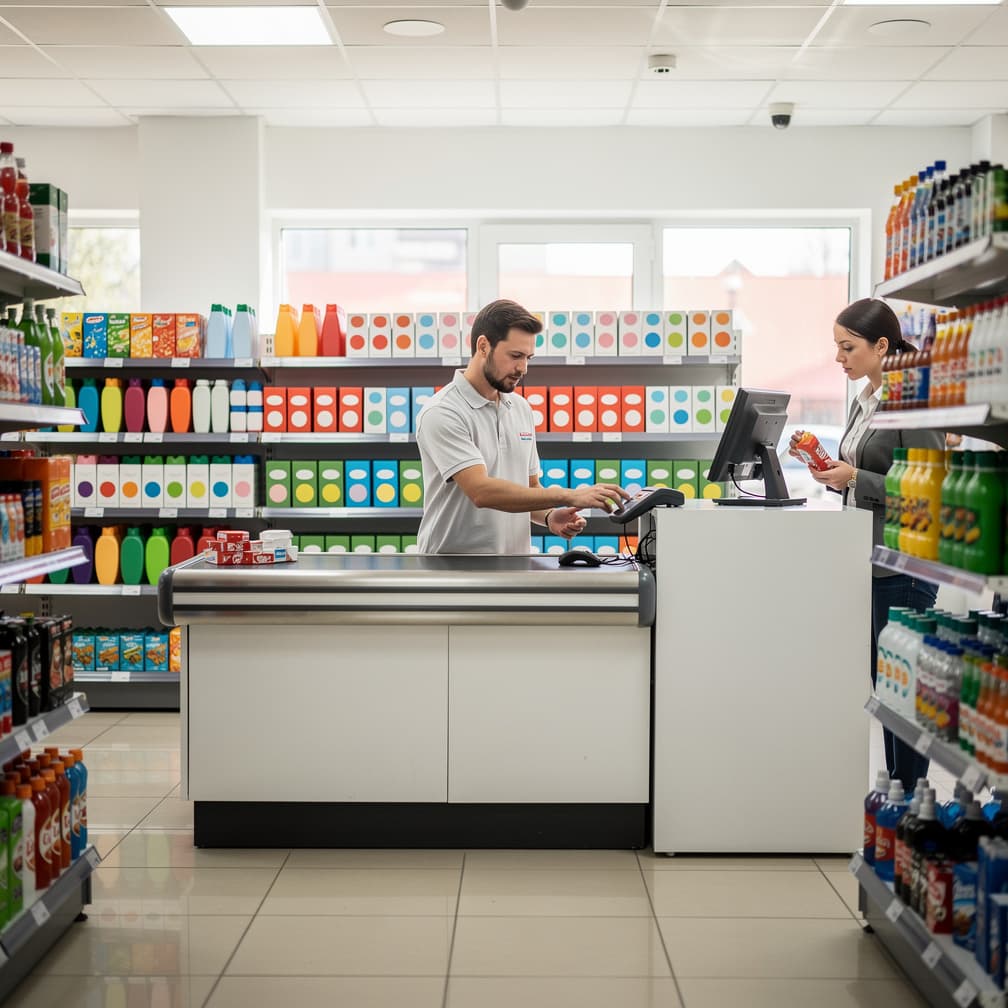

As a convenience store in Fargo, your inventory is the most fragile occupant of your building. Milk, deli, frozen, and the coolers holding them all depend on power and on a compressor nobody thinks about until it stops. Convenience store insurance in Fargo treats that stock differently from the shelves and fixtures around it, and spoilage terms are usually where the difference hides. A power outage, a failed unit, and a storm can reach the same case, and they do not all reach it through the same part of the contract. That is worth an hour with the actual forms. The published ranges here are a starting point; the sublimits are what decide your worst week.
What Makes Fargo Different
Small landlords sometimes ask for nothing in writing, which feels easy and quietly creates its own problem. A handshake lease in Fargo still leaves you liable for whatever happens on your own floor. The absence of a certificate request does not mean the absence of an injured customer someday. When a claim arrives, the building owner's insurer can look for someone else to pay for it. That someone is usually the tenant running the business where the person actually got hurt. General Liability is the line usually meant to answer a visitor injury claim of that kind. Buy it because the exposure exists, not because a landlord in Fargo happened to demand it. The demand and the risk are separate things, and only one of them cares about paperwork.
Local Risk Factors in Fargo
Tornado damage is never gradual. A store in Fargo can lose the sign, the glass front, and the roof over the stockroom inside one minute, and everything under that roof is wet before anyone finds a tarp. Commercial Property may respond to the building, the fixtures, and the inventory, though exterior signage and outdoor coolers are frequently scheduled separately or left off the building limit entirely. Check the schedule instead of assuming. Debris removal carries its own sublimit, and clearing a lot enough to reopen is not a small line item. Ask what your policy allows for it in North Dakota before a storm makes the question urgent.
What Coverage Does a Convenience Store in Fargo Need?
General Liability
A shopper goes down near the beverage station, and the medical bills arrive well before the lawsuit does. This is the line generally meant for third-party injury and property damage on your floor, and it is what a landlord names in a lease exhibit. It typically leaves out injuries to your own staff, which belong on workers compensation instead.
Example: A stack of cases tips as a customer reaches past it and she breaks a wrist; general liability can help cover the treatment and the claim her lawyer files afterward.
Commercial Property
Lenders and landlords ask for it, and the coolers, shelving, counters, and stock inside your walls are why you would want it regardless. It may respond to fire, wind, and theft damage to the building and the contents you own. Flood typically sits outside the form, and equipment that simply wore out reads as maintenance rather than a loss.
Example: Fire from an electrical fault in the back room chars the stockroom and smokes the shelves; commercial property may answer for the rebuild and for the inventory that came out with it.
Commercial Crime
Money is not inventory, and a standard property form treats it that way. This is the line usually written for stolen cash, lottery proceeds, forged instruments, and employee dishonesty, with separate limits for money on the premises and money in transit. Underwriters price the procedure behind the drawer rather than the balance in it, so a written closing routine carries weight.
Example: A trusted clerk voids sales for months and pockets the difference before a count in Fargo finds the pattern; commercial crime could pick up the loss once it is documented.
Workers Compensation
Payroll is the basis and duties set the rate, which is why classifying each clerk and stocker matters more than headcount does. It is generally the line for on-the-job injuries: a back strained lifting cases, a hand cut breaking down cardboard, a fall inside a walk-in. Thresholds for who counts as an employee vary, and the North Dakota Insurance Department publishes the current requirements for North Dakota.
Example: A stocker slips on a wet freezer floor and misses six weeks; workers compensation is designed to take on the medical care and part of the wages he loses while out.
Business Owners Policy
Where the property and liability sides get bought as two separate contracts, a package folds them into one and often prices better than the pieces do apart. For a small store it is a common starting structure. Workers compensation stays outside it, the crime limit inside tends to be modest, and spoilage may have to be added back by endorsement.
Example: A storm takes the sign down and a shopper trips over the debris the next morning in Fargo; a business owners policy might handle both sides of that week under one claim number.
How Much Does Convenience Store Insurance Cost in Fargo?
Convenience Store Insurance is a bundle of separate policies, priced separately. The ranges below are typical figures for Fargo for each line, except workers compensation, which is set by the state fund; a quote prices each one against your own operations.
| Coverage | Typical range | What moves your price |
|---|---|---|
| General Liability Insurance | $85 - $250 per month | Industry and risk classification, annual revenue, number of employees |
| Commercial Property Insurance | $120 - $420 per month | Building value and construction type, roof age and condition, fire protection class |
| Commercial Crime Insurance | $25 - $95 per month | Employees who handle money or inventory, internal controls and separation of duties, funds and securities on hand |
| Workers Compensation Insurance | Set by the state fund | Employee classification codes, total annual payroll, experience modification rate |
| Business Owners Policy Insurance | $130 - $410 per month | Annual revenue and industry class, building and contents values, square footage and building age |
Prices shown are general estimates, not guaranteed rates or quotes. Your actual premium will depend on the insurer, coverage selected, business details, location, claims history, and other underwriting factors. Learn about our pricing methodology.
What Are the Insurance Requirements for a Convenience Store in Fargo?
Workers' comp is generally required once you have your first employee, through the state fund. North Dakota runs workers' compensation through a state fund: employers buy coverage from the North Dakota Workforce Safety & Insurance (WSI), not from private carriers. Common exemptions include sole proprietors with no employees and partners in partnerships without employees. Confirm current requirements directly with the fund before you hire.
Flood damage is typically excluded from standard policies. Standard commercial property and builders-risk-type policies typically exclude flood damage. Flood exposure varies address by address, so check your premises in FEMA's Flood Map Service Center before deciding; if you sit in a mapped flood zone, a separate policy through the National Flood Insurance Program is the usual starting point.
Where to verify licensing and coverage rules. The North Dakota Insurance Department publishes consumer guidance and current insurance requirements for North Dakota businesses. When a contract or lease demands specific wording, the North Dakota Insurance Department's guidance is the authoritative place to check.
Get Your Convenience Store Quote in Fargo
Compare rates from multiple carriers. Free quotes, no obligation.
Operating in Fargo
- In a strip center the landlord may insure the roof while you insure everything underneath it, so one leak in Fargo becomes two adjusters, two policies, and a single puddle in your stockroom.
- Turnover means the clerk closing this week may never have watched the closing routine performed once. Training records cost nothing to keep and they are the first thing an underwriter gives credit for.
- A maintenance log for the coolers separates a spoilage claim from a wear-and-tear argument. A compressor that quit after years of neglect reads as a maintenance issue rather than a sudden loss.
- Broken glass at a Fargo storefront costs you twice: the board-up and the replacement, then whatever left the shelves while the opening sat unattended. Both halves belong in one claim conversation.
How to Buy: Advice for Fargo Owners
Renewal is a decision, not a notice. The letter arrives, nothing appears to change, and a year passes on terms nobody examined. Open it sixty days out and check three things: whether your property limit still matches replacement cost, whether payroll on the Workers Compensation policy matches the payroll you actually ran, and whether a new contract added a requirement your certificate does not meet. The same drift hits General Liability, which is rated on the sales you report. Stores add hours, add staff, add a coffee bar, and never tell the carrier, which is how a claim turns into an argument. Tell them. A store in Fargo that reports changes as they happen meets fewer surprises during a claim. The North Dakota Insurance Department publishes consumer guidance on cancellation and nonrenewal notice. Use CPK to test the renewal against quotes from participating carriers instead of accepting it by default.
FAQ
Convenience Store Insurance in Fargo: FAQ
Expect questions about revenue, payroll by role, hours, square footage, building age and roof condition, security equipment, whether you prepare hot food, and your loss history from prior carriers. Order your own loss runs first so nothing inside them surprises you mid-quote. Estimates you invent get corrected at audit, and that correction travels one direction only. An hour of gathering beats a week of shopping.
A Business Owners Policy usually bundles the property and liability sides into one contract, which makes it a common starting point for a store in Fargo. It generally does not include workers compensation, and money in the drawer tends to be limited to a small figure unless something is added. Read the schedule of coverages rather than the brochure, and ask what has to be endorsed back on.
Usually, though often as scheduled items rather than automatic ones. Exterior signage, awnings, and coolers outside the walls are frequently left off a building limit or capped low. If a windy stretch takes the sign down, that detail decides whether you file a claim or write a check. Ask which items are scheduled and get the list in writing, since wording varies by carrier and by North Dakota.
The coverage renews and the paper does not, which is enough to stop work. A vendor in Fargo can pause deliveries, and a property manager can treat the gap as a technical default on a lease you have paid faithfully. Nothing about the risk changed; only the evidence did. Ask a carrier how reissuance works at renewal, and put that date in the same calendar as the rent.
Yes. Fryers, hoods, and grills raise the fire question, and a suppression system over that equipment is among the first items an underwriter asks about. Packaged goods and a coffee pot sit in an easier band. Adding hot food to an existing store changes the exposure the day it is installed, so tell the carrier then, because an unreported change is an argument waiting for a claim.
That money is treated as money, not as inventory, and a standard property form generally handles it narrowly. Cash, lottery proceeds, and drawer contents are usually addressed under a commercial crime policy with separate limits for money on the premises and money in transit. Ask what those limits are, because they routinely stop well below what a busy store holds at its peak.
Sources
- 1.North Dakota Insurance Department(North Dakota Insurance Department publishes consumer guidance for insurance buyers.)
- 2.FEMA / FloodSmart(Flood coverage is typically purchased separately; FEMA administers the National Flood Insurance Program.)


