







































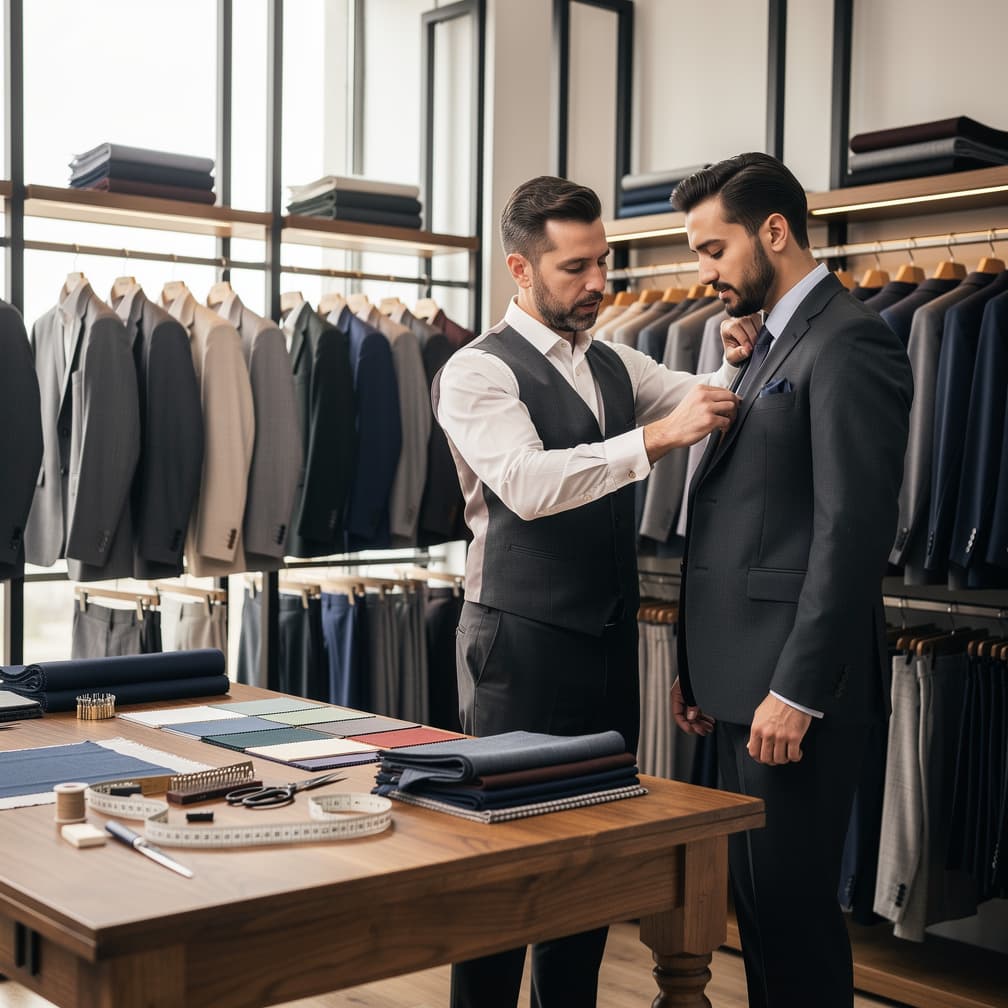

Price is the first question and the smallest part of this decision: general liability for a small shop often starts around $35 a month, which is less than one ruined jacket. Tailor insurance in Fargo gets expensive only when the policy is wrong, when the limit is too low for a formalwear order or the property list forgot the pressing equipment. Premium moves on payroll, revenue, the value of the garments you hold, and how long you have gone without a claim. Nothing on that list is mysterious, and all of it is negotiable at the quoting stage if you have the numbers ready. Participating carriers in North Dakota weigh those inputs differently, which is why two quotes for one shop rarely land in the same place. Gather the numbers, then compare.
What Makes Fargo Different
Quotes come back thin in a small market, and a short list of willing carriers is itself a cost driver. Fewer offers means less pressure on the price, so the accuracy of your application does more work than any negotiation would. An operation with no employees skips the payroll question entirely, which removes the biggest variable in the whole quote. What is left is the value on the racks, the deductible you choose, and whatever claims sit in your history. Those are small levers, and small levers are all a small shop needs. Keep receipts for the machines, and keep a written note of what a full rack is worth in Cass County. Give participating carriers in North Dakota real numbers rather than round ones. Real numbers are what make a small submission competitive when there are only a few offers to compare.
Local Risk Factors in Fargo
Severe storms take the roof and the power in the same afternoon, and a tailoring shop loses both its shelter and its capacity at once. Debris through a window in Fargo scatters glass across garment bags, and rain that follows a breach soaks racks holding pieces that belong to customers. Machines are heavy but their electronics are not, and a surge during a storm can end a press quietly without breaking anything visible. Every garment on that rack has a promised date and an owner. Commercial Property may respond to the structural damage, the equipment, and the interruption while a shop is closed, subject to the deductible and the policy terms. What it does about somebody else's clothing depends on how the form treats property of others, so ask that question separately in North Dakota.
What Coverage Does a Tailors in Fargo Need?
General Liability
A customer catches a heel on the fitting platform and goes down: that is the claim this line exists for, along with the defense costs that follow it. Landlords and corporate clients demand it by name before keys or contracts move. It generally does not answer for the garment in your hands, since property you took custody of is treated separately.
Example: Pins scatter near the mirror and a customer in Fargo falls while stepping down from the platform; General Liability could respond to the injury claim and the defense behind it.
Commercial Property
Machines, presses, fixtures, and the fabric and trim you own sit behind this line when fire, storm damage, theft, or vandalism reaches them. The gap worth knowing: garments belonging to customers are handled under a separate provision with its own limit, and water rising from outside the building is typically excluded and priced on its own.
Example: A break-in overnight clears the bench of sewing machines and the shop cannot take work in the morning; Commercial Property could pick up the replacement cost, subject to the deductible.
Business Owners Policy
Buying the property and liability pieces as one package is what a Business Owners Policy does, and for a small shop it often prices below the same parts bought apart. It can also bundle income protection while the doors are shut. The limits inside the bundle are the catch, because a package sized for a generic retailer may not fit a rack of formalwear.
Example: A fire in the pressing area closes the shop for three weeks; a Business Owners Policy might address the equipment, the interior, and the income lost while the doors stay locked.
Workers Compensation
Staff who lift loaded garment racks, haul inventory, and work over hot presses get hurt in predictable ways: backs, hands, and burns. This line is meant to handle the medical bills and lost wages that follow, and it is rated per $100 of payroll against what people physically do. Requirements for small employers vary by state and are not something to assume.
Example: A presser reaches across a hot plate and burns a forearm badly enough to miss two weeks of work; Workers Compensation is intended to take on the medical costs and the lost wages.
How Much Does Tailors Insurance Cost in Fargo?
Tailors Insurance is a bundle of separate policies, priced separately. The ranges below are typical figures for Fargo for each line, except workers compensation, which is set by the state fund; a quote prices each one against your own operations.
| Coverage | Typical range | What moves your price |
|---|---|---|
| General Liability Insurance | $40 - $110 per month | Industry and risk classification, annual revenue, number of employees |
| Commercial Property Insurance | $55 - $170 per month | Building value and construction type, roof age and condition, fire protection class |
| Business Owners Policy Insurance | $55 - $160 per month | Annual revenue and industry class, building and contents values, square footage and building age |
| Workers Compensation Insurance | Set by the state fund | Employee classification codes, total annual payroll, experience modification rate |
Prices shown are general estimates, not guaranteed rates or quotes. Your actual premium will depend on the insurer, coverage selected, business details, location, claims history, and other underwriting factors. Learn about our pricing methodology.
What Are the Insurance Requirements for a Tailors in Fargo?
Workers' comp is generally required once you have your first employee, through the state fund. North Dakota runs workers' compensation through a state fund: employers buy coverage from the North Dakota Workforce Safety & Insurance (WSI), not from private carriers. Common exemptions include sole proprietors with no employees and partners in partnerships without employees. Confirm current requirements directly with the fund before you hire.
Flood damage is typically excluded from standard policies. Standard commercial property and builders-risk-type policies typically exclude flood damage. Flood exposure varies address by address, so check your premises in FEMA's Flood Map Service Center before deciding; if you sit in a mapped flood zone, a separate policy through the National Flood Insurance Program is the usual starting point.
Where to verify licensing and coverage rules. The North Dakota Insurance Department publishes consumer guidance and current insurance requirements for North Dakota businesses. When a contract or lease demands specific wording, the North Dakota Insurance Department's guidance is the authoritative place to check.
Get Your Tailors Quote in Fargo
Compare rates from multiple carriers. Free quotes, no obligation.
Operating in Fargo
- The fitting area is the busiest hazard in the room: pins on the floor, a raised platform, mirrors, and a customer moving in a garment they cannot fully see out of.
- Uniform and formalwear runs stack your racks to their peak at exactly the moment a single loss would touch the most customers, and a flat property limit does not know the season changed.
- A corporate client in Fargo can demand a certificate before the first box of garments leaves its dock, and the deadline is usually shorter than the time it takes to buy the limit it wants.
- Machines are the whole capacity of the shop. When a press dies, work does not slow down, it stops, and the orders on the rack keep the dates they were promised.
How to Buy: Advice for Fargo Owners
Certificates are logistics, and logistics kill more deals than premiums do. Know who can issue proof for your policy, how fast, and what wording your clients need on it, before somebody asks. A landlord may want to be named. A corporate client may want its parent named too. Neither request is unusual, and neither can be satisfied by a certificate alone, because the naming lives in the policy through an endorsement. General Liability carries that endorsement, so ask about it at the quoting stage rather than the renewal. Check the North Dakota Insurance Department's guidance before deciding what documentation to keep on file. When you compare quotes from participating carriers, weigh the paperwork turnaround alongside the price, since a shop in Fargo loses jobs to a slow certificate.
FAQ
Tailors Insurance in Fargo: FAQ
Yes, and the requirement is contractual rather than legal, which is why it is negotiable in theory and rarely in practice. A lease can state a per-occurrence figure, require that the landlord be named on your policy, and demand proof before you get keys. Naming somebody is an endorsement on the policy itself, so a certificate showing the words is not the same as the coverage existing. Read the clause before signing and buy to it, not around it.
It depends on whether the bundle fits. A Business Owners Policy packages property and liability together and often prices below the same pieces bought apart, which is why small shops usually start there. The catch is the limits inside the package, since a bundled property limit chosen for a generic retailer may not reflect a rack loaded with formalwear. Price it both ways once with participating carriers in North Dakota, compare the limits rather than only the premium, and buy the one that matches your worst day.
Less than you think, and more precision than most people bring. Expect questions on your annual revenue, your payroll broken out by the physical work people do, the replacement cost of your machines, the value of garments you hold at peak, your square footage, and any claim from recent years. Your lease and any client contract with an insurance clause matter too, because they set the limits you need. Vague answers get priced defensively, so bring real figures.
A per-occurrence limit is the most one incident can draw. An aggregate is the ceiling for everything in a policy year added together. That distinction bites in this trade because a shop handing back hundreds of garments a month can generate several small disputes in one year, and every one of them draws on the same aggregate. Nobody notices until the third claim, when the remaining limit is smaller than the certificate suggested. Ask a carrier in North Dakota for both numbers rather than one.
It depends entirely on where the water came from. Rain through a roof a storm opened is usually treated differently than water rising from outside the building, and the second is typically excluded from a standard property form and priced as its own decision. That matters when garments are stored on low racks or inventory sits near the floor. Ask which scenario your policy addresses before the forecast makes it urgent, since the distinction is written into the form.
You can, and it is usually the wrong choice. Replacement cost values what it takes to buy the machine today; actual cash value pays what your old machine was worth after years of depreciation. The premium difference is small and the claim difference is not, especially for a shop whose entire capacity sits in a few machines. Ask which basis a quote is using, because two quotes at the same price can settle a fire very differently.
Sources
- 1.North Dakota Insurance Department(North Dakota Insurance Department publishes consumer guidance for insurance buyers.)
- 2.FEMA / FloodSmart(Flood coverage is typically purchased separately; FEMA administers the National Flood Insurance Program.)


