







































Updated July 5, 2026

Commercial Truck Insurance in Fargo
Property managers, general contractors, warehouse operators, and lenders around Fargo often want current certificates before they let a truck onto a site, release a dock schedule, or finalize financed equipment. Satisfying them locally usually means matching the named insured, vehicle schedule, and effective dates to the contract or loan file the first time, so your job does not stall over paperwork. That is where commercial truck insurance in Fargo becomes more operational than generic. You may be moving materials to a construction site one day, making retail deliveries the next, then servicing a health care account with tighter vendor requirements after that. In the county containing Fargo, there are 5,923 business establishments, so proof of coverage requests can come from many directions and often before the first load moves. If your trucks serve several customer types, ask for certificates, additional insured wording when contractually required, and hired or non-owned auto review if dispatchers, sales staff, or supervisors ever use personal vehicles for business errands.
Commercial Truck Insurance Risk Factors in Fargo
Local weather is already addressed at the state level, so the city difference is less about a unique hazard and more about how often your trucks shift between customer environments. Here, a single unit may back into a retail receiving area in the morning, a construction laydown yard by noon, and a medical campus vendor entrance later the same day. That mix changes how you should review loading practices, backing exposures, driver instructions, and certificate turnaround. If your routes include frequent stops, ask whether your policy setup and endorsements fit delivery work, jobsite access, and any trailer interchange or cargo needs tied to those stops. The practical review is simple: **map your real weekly route pattern**, note where third parties control access, and make sure your quote reflects those operating details instead of a broad description like local hauling.
North Dakota has a high climate risk rating. Top hazards: Severe Storm (Very High), Flooding (High), Winter Storm (Very High), Tornado (High). The state's expected annual loss from natural hazards is $480M, which influences commercial truck insurance premiums and may affect coverage availability in high-risk areas.
What Commercial Truck Insurance Covers
North Dakota trucking policies usually start with motor carrier liability, then add the protections that match the way you operate on state highways, county roads, and interstate lanes. For many operators, that liability coverage is the backbone, while physical damage can help address repair costs after a collision or other covered loss. Cargo insurance is often added when you haul freight that can be damaged in transit, and trailer interchange can matter if you pull equipment that belongs to another party. Bobtail coverage and non-trucking liability are separate options for owner-operators who sometimes drive without a trailer or outside dispatch activity.
State rules do not replace federal trucking obligations, but North Dakota does require commercial auto minimums, and many freight operations need more than that because federal FMCSA liability minimums for general freight are $750,000. That means a single at-fault accident causing severe injury or property damage could exhaust lower limits and leave your business exposed, so most interstate carriers buy at or above that threshold. If you haul hazardous materials, the required liability can be much higher. Shippers and brokers may also ask for higher limits or specific endorsements before they load you.
Review whether your quote includes cargo limits, trailer interchange terms, and whether non-trucking use is excluded when the truck is under dispatch. North Dakota's severe storm and winter storm exposure makes physical damage especially relevant for tractors, trailers, and refrigerated units that can be stranded or damaged during weather events.
Coverage Included

Motor Carrier Liability
Can help cover injuries and property damage your truck causes to others, a coverage federal regulators require most for-hire carriers to maintain.
Physical Damage
Can help pay to repair or replace your own truck after an accident, fire, theft, or vandalism.
Cargo Coverage
May pay for damage to or theft of the freight you are hauling while it is in your care.
Trailer Interchange
Can help cover damage to trailers you haul under an interchange agreement but do not own.
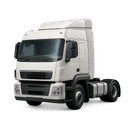
Bobtail Coverage
May provide liability protection when you drive your tractor without a trailer attached, such as after dropping off a load.

Non-Trucking Liability
Can help cover accidents that happen when you use your truck for personal errands rather than dispatched work.
Commercial Truck Insurance Cost in Fargo
Average Cost in North Dakota
$330 - $875
per month
Businesses in North Dakota typically see commercial truck insurance premiums of $330 - $875 per month, which tends to run 21% below the national range of $400 - $1,125 per month.
- Radius of operation
- Commodities hauled and cargo value
- Number and value of power units
- Driver motor vehicle records and CDL experience
- DOT safety record, inspections, and FMCSA scores
- Liability limits and physical damage deductibles
Contact CPK Insurance for a personalized quote.
Prices shown are general estimates, not guaranteed rates or quotes. Your actual premium will depend on the insurer, coverage selected, business details, location, claims history, and other underwriting factors. Learn about our pricing methodology.
Commercial truck insurance cost in North Dakota varies by route, cargo, and risk profile. The state tends to sit below the national average on pricing indexes, but your actual quote still moves based on those same factors. A truck running through major metro areas may face different pricing than a unit that stays closer to one local service area, because location is one of the stated rating factors and North Dakota has elevated severe storm risk.
Claims history is another major driver. North Dakota's auto claim environment tends to show higher average claim costs relative to some other states, and recent crash data suggests a meaningful volume of roadway incidents, meaning a clean loss record can matter when carriers price liability and physical damage. Weather history also influences underwriting because the state has experienced numerous disaster declarations over time. Those weather conditions can be especially important for long-haul fleets and trucks parked outdoors in rural yards.
Higher liability limits, lower deductibles, cargo endorsements, or trailer interchange can raise the premium, while a tighter coverage package may reduce it. Policy endorsements can move pricing up or down depending on whether you need bobtail coverage, non-trucking liability, or broader cargo terms.
Industries & Insurance Needs in Fargo
The county business mix around Fargo changes demand for truck coverage because it creates several distinct classes of customers asking for different proof and operating standards. In Cass County, construction accounts for 12.5% of establishments, retail trade 11.4%, and health care and social assistance 10.3%, so a local fleet may serve jobsites, stores, and care facilities within the same book of business. That matters because each setting can bring different delivery windows, site access rules, contract language, and expectations around certificates. If construction is part of your route list, review jobsite vehicle use and any subcontract transfer language. If retail is a major share, focus on frequent-stop exposure and loading claims. If you deliver to health care properties, confirm vendor paperwork can be produced quickly and accurately before a scheduled drop is missed.
What Makes Fargo Different
Mixed customer types are what change the calculus here. Fargo is not just a pass-through market where every truck does the same kind of run. Many operators serve a compact set of commercial customers with very different insurance expectations, and that creates an administrative exposure as much as a driving exposure. A contractor may ask for additional insured status when required by contract, a warehouse may refuse entry without a current certificate, and a lender may want evidence that financed units are listed correctly. That means the right policy review is not only about limits. It is also about whether your documents can keep up with how you actually dispatch trucks, trailers, and drivers. If your operation has grown from one customer segment into several, review named insured details, scheduled vehicles, driver lists, and certificate procedures before renewal so a paperwork mismatch does not interrupt revenue.
Our Recommendation for Fargo
Start your quote request with a route and customer map, not just a vehicle count. List whether each truck mainly serves construction accounts, retail deliveries, warehouse pickups, or health care related stops, because that operating detail helps shape the right coverage review. If you finance equipment, compare the lender's insurance requirements against your current declarations and loss payee information before you bind anything new. If customers regularly ask for certificates, decide who in your business requests them, who checks them, and how fast they need to go out. That workflow matters when a same-day delivery depends on approved paperwork. Missed jobs and uninsured downtime can hit a local owner hard when business cash flow also supports home expenses. Bring your contracts, vehicle schedule, and any recent certificate requests into the quote process so the policy can be reviewed against real obligations, not assumptions.
Get Commercial Truck Insurance in Fargo
Enter your ZIP code to compare commercial truck insurance rates from carriers in Fargo, ND.
Business insurance starting at $25/mo
FAQ
Frequently Asked Questions
Fargo clients usually want a current certificate that matches your legal business name, listed vehicles, and effective dates. If a contract requires special wording, review that request before work starts so site access, dock appointments, or financed equipment paperwork are not delayed.
Fargo operations often serve several customer types in one week, which changes certificate needs and site access rules. Review whether your policy setup fits jobsites, warehouse pickups, and frequent-stop delivery work instead of describing everything as general local hauling.
Cass County has 5,923 business establishments, so trucking operators can face proof-of-coverage requests from many counterparties, not just shippers. That makes certificate turnaround, correct named insured information, and contract review more important before the first load moves.
Cass County's establishment mix is led by construction at 12.5%, retail trade at 11.4%, and health care and social assistance at 10.3%. That mix can change your stops, paperwork demands, and loading exposure, so your quote should reflect who you actually serve.
Fargo owner-operators should ask early if a lender needs loss payee wording or financed units listed a certain way. If you need a regulator reference, the North Dakota Insurance Department is the state agency, but most local delays come from contract and lender paperwork.
It can include motor carrier liability, physical damage, cargo coverage, trailer interchange, bobtail coverage, and non-trucking liability, depending on how you operate in North Dakota and what your policy is written to cover.
North Dakota uses commercial auto minimums of $25,000/$50,000/$25,000, but general freight carriers may need at least $750,000 in liability under federal rules, and some loads require more.
Your quote can vary based on limits, deductibles, claims history, location, endorsements, and the type of freight you haul. A local delivery van running short routes in Fargo will look very different from a long-haul tanker crossing I-94 through winter storms, so expect a wide range even within the state.
Sources
- 1.U.S. Census Bureau, County Business Patterns, Cass County(In the county containing Fargo, there are 5,923 business establishments, so proof of coverage requests can come from many directions and often before the first load moves.; In Cass County, construction accounts for 12.5% of establishments, retail trade 11.4%, and health care and social assistance 10.3%, so a local fleet may serve jobsites, stores, and care facilities within the same book of business.)
- 2.North Dakota Insurance Department(The North Dakota Insurance Department is the state agency, but most local delays come from contract and lender paperwork.)
Updated July 5, 2026





