







































Updated July 16, 2026

Inland Marine Insurance in Fargo
Fargo is a concentrated county market where contractors, retailers, and service firms operate in tight proximity. Your inland marine insurance in Fargo often needs tighter scheduling of tools, installation materials, and customer property that moves between jobs, vehicles, and temporary sites. Cass County has 5,923 business establishments, which means you are likely competing for contracts where proof of coverage is required before you can unload equipment or start work. You see this daily around warehouse space, retail corridors, medical offices, and active construction work, where property rarely sits in one insured location for long. The buying conversation shifts from a simple add-on to a specific review of what leaves your shop, who has custody of it, how often it stays overnight in a vehicle or trailer, and whether installation materials are covered before they become part of the job.
Inland Marine Insurance Risk Factors in Fargo
Fargo's top risk factors include Severe weather, Property crime, Flooding, and Vehicle accidents.
North Dakota has a high climate risk rating. Top hazards: Severe Storm (Very High), Flooding (High), Winter Storm (Very High), Tornado (High). The state's expected annual loss from natural hazards is $480M, which influences inland marine insurance premiums and may affect coverage availability in high-risk areas.
What Inland Marine Insurance Covers
Inland marine insurance is built for property that is mobile, in transit, or stored away from your primary premises, which is different from fixed-location commercial property coverage. Tools, equipment, materials, goods being transported between locations, and other mobile business property can be scheduled or described so the policy follows them to job sites, customer locations, or temporary storage. For contractors working across the state, that flexibility matters because a job can move from a warehouse to a field site to a temporary laydown area in the same week. The product also fits installation floater coverage when materials are being installed at a customer location, and builders risk coverage when a project is under construction, though the exact structure varies by carrier and project type. North Dakota does not provide a state-mandated inland marine form or minimum limit, so what is covered depends on the policy wording, the limits you choose, and the endorsements you add. Common policy considerations include theft, damage, vandalism, and other covered perils while property is away from the main business location, but exclusions and sublimits vary by insurer and by the type of property insured. Because the North Dakota Insurance Department regulates the market, read your policy forms carefully and ask a licensed professional to walk you through anything unclear.
Coverage Included
Tools & Equipment
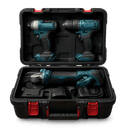
Can help repair or replace hand tools, power tools, and gear that are stolen or damaged on the job or in transit.

Goods in Transit
May cover products, materials, and merchandise while they are being shipped or hauled between locations in your care.
Contractors Equipment
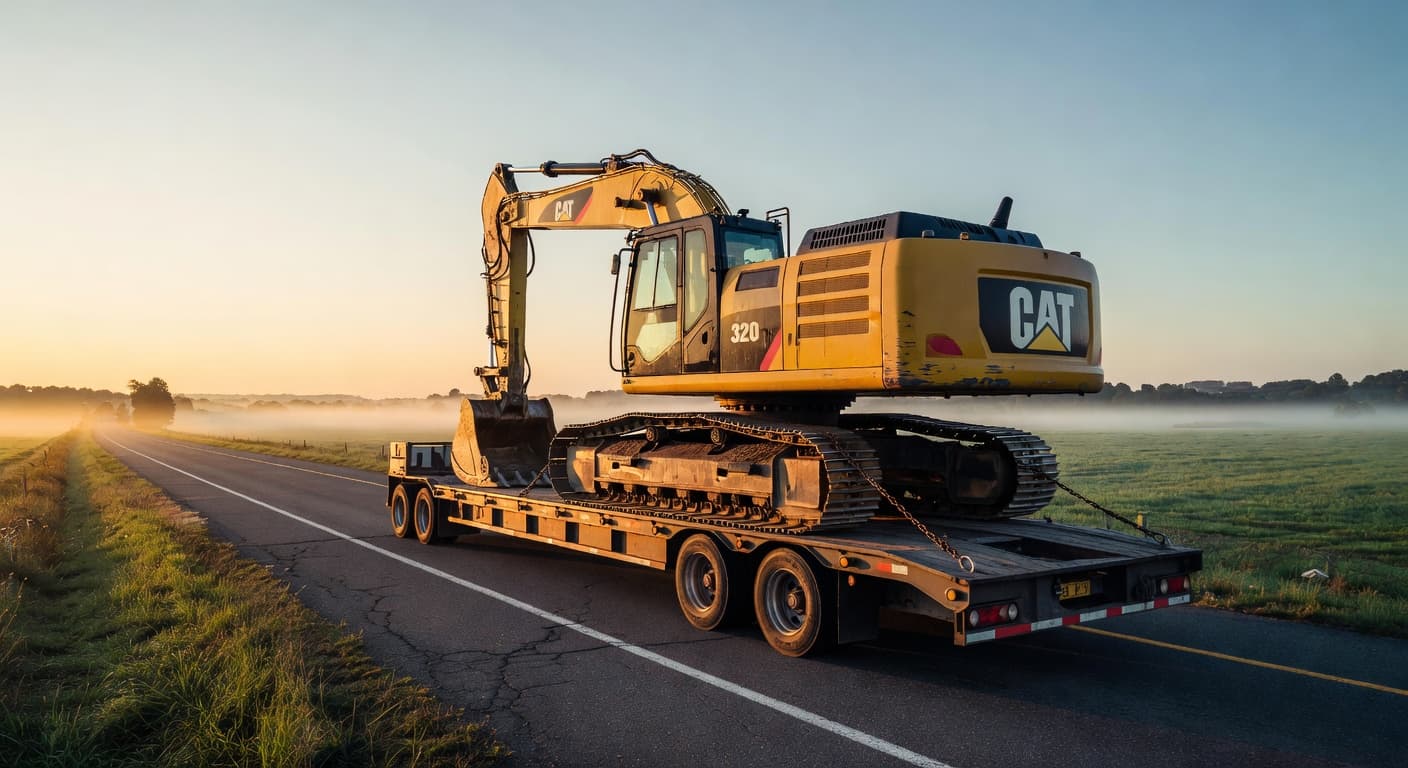
Typically covers heavy machinery like excavators, loaders, and generators against theft or damage at job sites and between them.

Installation Floater
Can help cover materials and fixtures from the moment you buy them until they are installed and accepted at a project.
Builders Risk
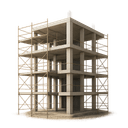
May cover a structure under construction, along with materials on site, against damage from fire, wind, theft, and vandalism.
Inland Marine Insurance Cost in Fargo
Average Cost in North Dakota
$20 - $85
per month
Businesses in North Dakota typically see inland marine insurance premiums of $20 - $85 per month, which tends to run 12% below the national range of $20 - $100 per month.
- Total insured value of the scheduled property
- Type and age of the equipment
- Where it is stored and how far it travels
- Jobsite security and theft prevention
- Per-item limits and deductibles
- Prior theft and in-transit losses
Contact CPK Insurance for a personalized quote.
Prices shown are general estimates, not guaranteed rates or quotes. Your actual premium will depend on the insurer, coverage selected, business details, location, claims history, and other underwriting factors. Learn about our pricing methodology.
The state pricing picture is shaped by a market that sits below the national average overall, though your specific premium depends on several moving parts. North Dakota carries elevated severe storm risk, with very high winter storm and severe storm exposure, high flooding and tornado exposure, and a history of major disasters including the 2024 tornado outbreak, the 2023 derecho, and 2023 river flooding. Those conditions matter when property is hauled between job sites or stored temporarily in areas exposed to weather-related loss. Premiums also reflect the state's competitive market, with numerous active insurers participating in the broader marketplace. Because the vast majority of the state's businesses are small operations, many buyers are comparing a narrow set of limits rather than broad enterprise programs, which can keep pricing more tailored. Expect underwriters to ask what you move, where it travels, how often it is offsite, and whether you need goods in transit, contractors equipment, or installation floater coverage as part of the policy structure.
Industries & Insurance Needs in Fargo
Cass County's business mix is what most clearly changes demand for this coverage around Fargo. Construction accounts for 12.5% of county establishments, retail trade 11.4%, and health care and social assistance 10.3%, so a large share of local businesses either move equipment, carry stock away from a main premises, or take specialized property into customer locations. For a contractor, that can mean tools and materials shifting from yard to truck to job site in the same day. For a retailer, it can mean inventory at events, pop ups, or offsite storage. For health related operations, it can mean portable equipment or client property moving between locations. The practical takeaway is to match the form to the property pattern, not just the business label. Ask whether your quote is built around scheduled equipment, installation floaters, contractors equipment, or another inland marine form that fits how your property actually travels.
What Makes Fargo Different
In a smaller market, you may rely on a simple property setup because equipment rarely leaves the premises or jobs stay close to one storage point. Around Fargo, the density of commercial activity creates more frequent handoffs between shops, vehicles, subcontractutors, temporary storage, and customer sites. Each handoff is where coverage gaps tend to show up, and that matters most if you sign contracts, work under tight install schedules, or leave materials waiting for the next phase of a job. A policy review here should focus less on the building and more on movement. Ask about property in transit, items stored off premises, borrowed or rented gear, and customer property in your care. If your current schedule is old, if values have climbed, or if new crews are carrying equipment to multiple locations each week, update the list before the next certificate request exposes a gap.
Our Recommendation for Fargo
Start with a property map of your operation. Track fixed items at your main location, gear that rides in trucks or trailers, materials dropped at a job site before installation, and customer property while it is in your care. That exercise usually shows whether you need scheduled items, broader unscheduled protection, or a form tailored to contractors equipment or installation materials. Fargo's median household income is $66,029, so a kitchen remodel or finish carpentry job here can involve pricier materials and fixtures than your current limits were built for. That is a good reason to review item values, deductibles, and any sublimits for theft from vehicles or temporary locations. Bring your latest equipment inventory, a sample contract, and a recent certificate request to your quote review, then ask where property is uninsured during transit, storage, and installation.
Get Inland Marine Insurance in Fargo
Enter your ZIP code to compare inland marine insurance rates from carriers in Fargo, ND.
Business insurance starting at $25/mo
FAQ
Frequently Asked Questions
Area businesses that move tools, materials, inventory, or customer property between locations are the clearest fit. In a county with 5,923 business establishments, you can expect general contractors and commercial landlords to require a certificate before your gear comes through the gate.
Contractors often need a closer review because property shifts between trucks, trailers, and active sites. Construction makes up 12.5% of county establishments, so if you are one of those operations, a standard building policy may leave your skid steers and ladders exposed the moment they leave your yard.
Retail operations often have inventory exposures beyond the storefront, including temporary storage or offsite selling. Retail trade represents 11.4% of county establishments, meaning if you run a pop-up or move inventory to a secondary location, a basic property form may not follow that stock out the door.
Health care and service firms should review portable equipment, diagnostic devices, and any customer property in transit or at temporary locations. Health care and social assistance accounts for 10.3% of county establishments, so a dropped ultrasound tablet or stolen diagnostic unit could cost you tens of thousands if it is not specifically scheduled.
Buyers should update values if they serve clients with higher value homes, interiors, or equipment expectations. Fargo's median household income is $66,029, so the replacement cost of a high end appliance or custom fixture you are installing may exceed the limit you set three or four years ago.
It is designed for property that moves between job sites, customer locations, or temporary storage, including tools, equipment, materials, and goods being transported. Coverage details depend on the policy, but the product is meant to follow mobile property away from a fixed business location.
The coverage may extend beyond your main premises when property is at a job site or in temporary storage, which is useful for contractors working across the state. The exact protection depends on the form, limits, and endorsements you choose.
Contractors, electricians, plumbers, landscapers, and other businesses that carry portable equipment across the state are common buyers, and businesses that ship goods or hold customer property may also need it. North Dakota's small-business-heavy market makes this especially relevant for owners with limited room for loss.
Sources
- 1.U.S. Census Bureau, County Business Patterns, Cass County(In Cass County, there are 5,923 business establishments, which means more landlords, general contractors, and commercial customers asking for clear proof of coverage before equipment is unloaded or materials are left on site.; Construction accounts for 12.5% of county establishments, retail trade 11.4%, and health care and social assistance 10.3%, so a large share of local businesses either move equipment, carry stock away from a main premises, or take specialized property into customer locations.)
- 2.U.S. Census Bureau, ACS 5-Year Estimates, table B19013(Fargo's median household income is $66,029, so you may be carrying more expensive tools, finish materials, or customer property into homes and small commercial spaces than an older schedule reflects.)
Updated July 16, 2026





