Updated July 16, 2026

Surety Bond Insurance in Fargo
When a Fargo job, permit, or filing stalls, the practical issue is usually speed and accuracy, not a long debate about whether the bond matters. Bonds tend to come up where local work is scheduled tightly, paperwork is reviewed by a counterparty before money changes hands, and a missing or mismatched form can stall the next step.
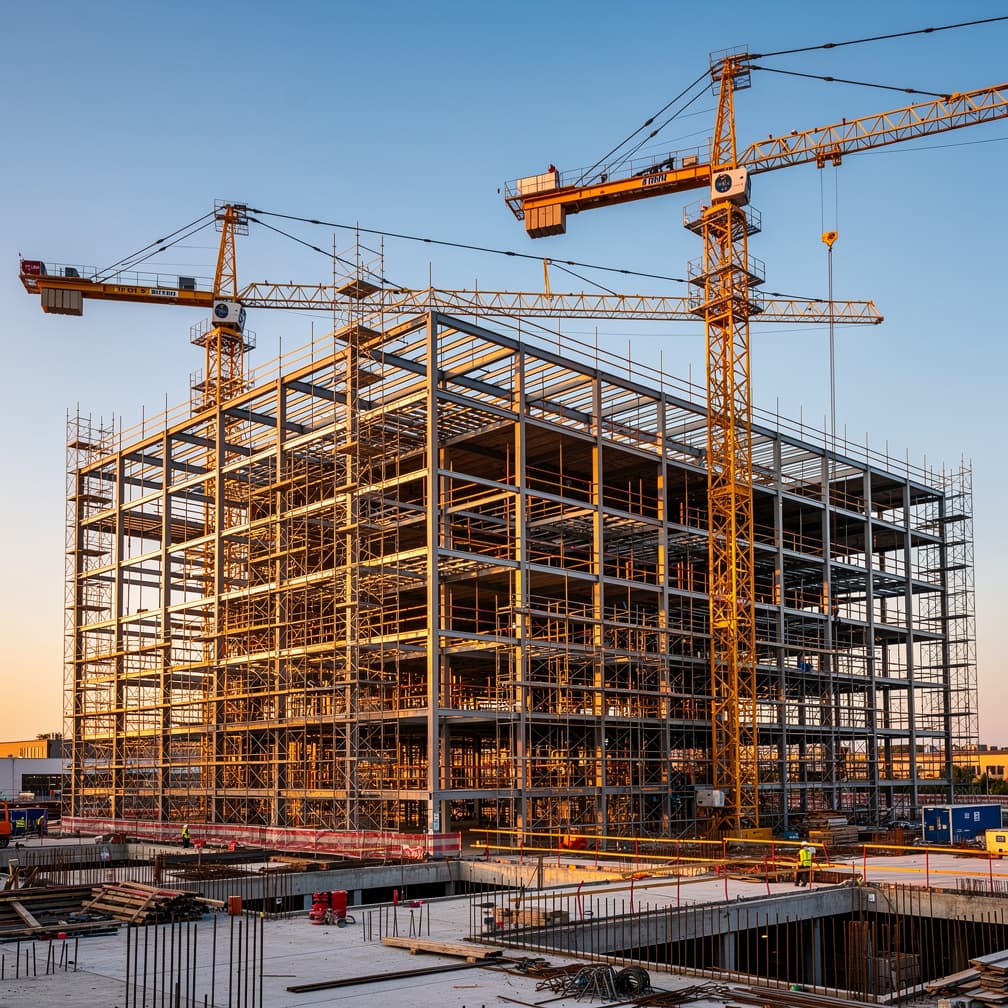
Cass County has 5,923 business establishments. That volume means you are often dealing with landlords, project owners, lenders, and public or private counterparties that expect documents to be complete before they release a contract, license, or payment process. Construction accounts for 12.5% of establishments, retail trade 11.4%, and health care and social assistance 10.3%. Those three sectors alone represent over a third of local businesses, which is why your bond needs can come from contractor licensing and project obligations, business transactions, or compliance requirements tied to a specific operation. Identify the obligee, confirm the exact bond wording they want, and request the bond before your closing date, permit appointment, or bid deadline is already on top of you.
About Surety Bond Insurance in Fargo, ND
A bond only works if it matches the exact obligation in front of you. That can mean a license bond tied to a state filing, a contract bond attached to a public or private job, or a court bond required before a case can move forward. The coverage review should stay centered on the triggering requirement, because the bond language often follows the obligee's form rather than a standard package approach.
For a contractor, that usually means checking whether the owner or upstream contractor wants a bid bond, performance bond, payment bond, or a combination. For a licensed business, it means confirming the bond amount, the named business entity, and whether the bond must remain continuous or renew on a set term. For a court-related filing, it means making sure the bond form, signatures, and any supporting documents line up with the clerk's instructions before filing.
Buyers also need to pay attention to how the bond will be delivered. Some obligees accept electronic filing, while others still want an original signed bond with a raised seal or specific power of attorney attached. If the filing instructions are vague, ask before ordering. Your policy may help you satisfy the requirement only if the obligee accepts the form you submit.
The state oversight piece matters too. You should confirm that any bond you buy is being handled through a properly regulated channel before you submit payment or rely on it for a deadline-sensitive filing.
Coverage Included

Performance Bonds
Helps show you are expected to complete a project according to contract terms.
Bid Bonds
Helps show you are expected to honor your bid price if awarded the contract.

Payment Bonds
Can help pay subcontractors, laborers, and material suppliers.

License Bonds
Required by states and municipalities to obtain or renew business licenses.

Court Bonds
Required by courts for appeals, estate administration, and guardianship.

Subdivision Bonds
Helps show completion of public improvements in new developments.
Industries & Insurance Needs in Fargo
Cass County's business mix changes the buying conversation because it creates several common bond triggers in one market. Construction represents 12.5% of county establishments, retail trade 11.4%, and health care and social assistance 10.3%, so local buyers are not all asking for the same bond for the same reason. A contractor may need a bond tied to a project or license filing, while another business owner may need one to satisfy a lease, transaction, or operational requirement set by a third party.
That matters because you should not start with a generic request for a bond. Start with the obligee's name, the exact bond type, the bond amount, and the form if one is required. In a market with this many different operating models, the fastest way to delay issuance is to assume one bond works like another. If your business touches more than one line of work, ask for each obligation to be reviewed separately so the bond language matches the filing or contract in front of you.
What Makes Fargo Different
In a smaller market, a bond request may be occasional and highly specific. Around Fargo, you are operating inside a county with 5,923 business establishments. That density puts more counterparties, more document checkpoints, and more situations where a bond is treated as a gatekeeping item before work or a transaction can move ahead.
That changes how you should buy. The real risk is administrative friction, not a vague misunderstanding of how surety works. The wrong named principal, the wrong obligee, the wrong bond amount, or a form that does not match what the receiving party expects can all stall a deal. Local buyers usually benefit from treating the bond like a filing document, not just an insurance purchase. Gather the legal business name, entity details, deadline, and any required form before you request terms. If the bond supports a contract, permit, or account opening, ask the receiving party to confirm their requirements in writing. That step is what keeps a routine bond from turning into a last-minute delay.
Our Recommendation for Fargo
Start by asking who is requiring the bond, and what exact obligation are you guaranteeing to them. That keeps the process grounded in the real filing or contract instead of a vague request that has to be reworked later. If you are buying for a business, use the registered legal name exactly as it appears on formation or licensing records, and compare it against the obligee's paperwork before anything is issued.
If your work touches construction, retail, or health-related operations, do not assume the same bond language carries across each obligation. Request a review of the bond amount, obligee name, and any required form before you pay for issuance. If timing is tight, send the underlying contract, permit notice, or filing instructions up front so underwriting and document prep are working from the same record. If you are unsure whether a local requirement is city, county, private, or state driven, ask that distinction to be clarified early. It can change the form you need and whether the receiving party will accept the bond without revisions.
Get Surety Bond Insurance in Fargo
Enter your ZIP code to compare surety bond insurance rates from carriers in Fargo, ND.
Business insurance starting at $25/mo
FAQ
Frequently Asked Questions
Fargo buyers often run into bond deadlines because Cass County has 5,923 business establishments. With that many businesses operating, counterparties will not release a contract, permit step, or transaction until documents are complete. Ask for the exact obligee name and bond form before the deadline is close.
Contractors should gather the obligee's name, required bond amount, project or license details, and any mandatory form. Construction makes up 12.5% of establishments in Cass County. That share is large enough that counterparties here often review bond paperwork closely before work starts.
Yes, a business can be asked for a bond by a private party, not only by a government office. With retail trade at 11.4% of Cass County establishments, leases, vendor agreements, and transaction terms can create document requirements that need exact wording.
No. Health care and social assistance accounts for 10.3% of establishments in Cass County. Because that sector includes a mix of facility types and oversight levels, different counterparties may require different bond language, amounts, or named parties for the same general type of obligation.
Buyers with state-level insurance oversight questions can look to the North Dakota Insurance Department. For a live bond need, the practical first step is still to confirm the obligee, bond form, and legal business name before issuance is requested.
The North Dakota Insurance Department regulates insurance in the state. Confirm your bond is being handled through a properly regulated source before relying on it for a filing or contract deadline.
Obligees often expect the exact form or wording they specify. Request the original instructions and submit that document with your quote request to avoid corrections later.
Filings can be delayed if the legal entity on the bond does not match the license, contract, or court record. Review the applicant name carefully before issuance.
Sources
- 1.U.S. Census Bureau, County Business Patterns, Cass County(Cass County has 5,923 business establishments, so you are often dealing with landlords, project owners, lenders, and public or private counterparties that expect documents to be complete before they release a contract, license, or payment process.; Construction accounts for 12.5% of establishments, retail trade 11.4%, and health care and social assistance 10.3%, so bond needs here can come from contractor licensing and project obligations, business transactions, or compliance requirements tied to a specific operation.)
- 2.North Dakota Insurance Department(Fargo buyers with state-level insurance oversight questions can look to the North Dakota Insurance Department.)
Updated July 16, 2026