








































Updated July 16, 2026

Commercial Property Insurance in Grand Forks
A property claim here rarely starts with a standalone building. It starts with how you use the space: a storefront near Columbia Road with back-room inventory, a contractor bay off Gateway Drive with tools and materials moving in and out, or a restaurant that depends on uninterrupted refrigeration and a working kitchen line. Your policy should be reviewed around that day-to-day reality, because the loss that hurts most is often the one that shuts down sales, delays jobs, or spoils stock while repairs are underway. Local buyers also tend to serve a practical mix of walk-in customers, repeat commercial accounts, and regional traffic, so your policy review should separate what the landlord insures from what you still own inside the premises. If you lease, your lease spells out exactly which repairs fall on you, and if you own, the building limit needs to match current rebuild costs and the income your location has to keep producing. Before you request quotes, list your improvements and betterments, equipment, seasonal inventory swings, and any property that regularly leaves the premises.
Commercial Property Insurance Risk Factors in Grand Forks
Grand Forks buyers usually need a sharper conversation about interruption and dependent property than a generic property quote provides. A local loss does not only damage walls or contents. It can stop customer access, interrupt temperature-sensitive stock, delay incoming materials, or leave you paying staff and rent while the premises are unusable. That matters for retailers, food service operators, and contractors using mixed office, storage, and service space. Review whether your **business income period** is long enough for cleanup, repairs, and a realistic return to normal operations, not just a quick reopening. If your revenue depends on a specific cooler, prep line, point of sale setup, or shop equipment, schedule that discussion directly instead of assuming a blanket contents limit is enough. If your operation moves property between the shop, vehicles, and job sites, ask where off-premises limits apply and where they stop.
North Dakota has a high climate risk rating. Top hazards: Severe Storm (Very High), Flooding (High), Winter Storm (Very High), Tornado (High). The state's expected annual loss from natural hazards is $480M, which influences commercial property insurance premiums and may affect coverage availability in high-risk areas.
What Commercial Property Insurance Covers
In North Dakota, commercial property insurance can help cover physical damage to a business location and the contents inside it, but the exact protection depends on the policy form and endorsements you choose. Standard coverage can include building insurance for owned structures, plus business personal property coverage for equipment, furniture, fixtures, inventory, computers, and signage. It can also help protect the assets needed to reopen after a fire, storm, theft, vandalism, or other covered loss. The state's weather exposure makes roof, siding, and exterior damage especially relevant.
North Dakota does not create a special statewide mandate for a universal property form, but commercial property insurance requirements can vary by industry, lender, lease, and business size. Business income coverage can be important when a covered loss forces a temporary closure, especially if a storm or fire interrupts operations during a busy season. Equipment breakdown coverage can be useful for businesses with mechanical or electrical systems, while ordinance or law coverage can matter if local rebuilding rules affect repair costs after a loss. Because the North Dakota Insurance Department regulates the market, policy wording and endorsements should be reviewed carefully before binding coverage.
Coverage Included
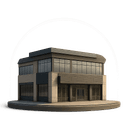
Building Coverage
Can help pay to repair or rebuild your building after covered damage like fire, wind, or vandalism.

Business Personal Property
Can help replace furniture, inventory, equipment, and supplies inside your building when a covered event damages or destroys them.
Business Income
May replace lost revenue and help cover ongoing expenses like payroll and rent while covered damage keeps your business closed.

Equipment Breakdown
Typically covers sudden mechanical or electrical failure of equipment like HVAC systems, boilers, or refrigeration units, which standard property policies often exclude.
Ordinance or Law
Can help cover the added cost of rebuilding to current building codes after a covered loss to an older structure.
Commercial Property Insurance Cost in Grand Forks
Average Cost in North Dakota
$55 - $240
per month
Businesses in North Dakota typically see commercial property insurance premiums of $55 - $240 per month, which tends to run 17% below the national range of $65 - $290 per month.
- Building value and construction type
- Roof age and condition
- Fire protection class
- Occupancy and the operations inside the building
- Business personal property and equipment values
- Wind and hail deductible terms
Contact CPK Insurance for a personalized quote.
Prices shown are general estimates, not guaranteed rates or quotes. Your actual premium will depend on the insurer, coverage selected, business details, location, claims history, and other underwriting factors. Learn about our pricing methodology.
Commercial property insurance cost in North Dakota is shaped by local rebuilding conditions, weather exposure, and the amount of protection you buy. The average premium range in the state is $55 to $240 per month, while the product's broader average range is $65 to $290 per month. The state's premium index is 86, which means pricing overall runs below the national average and may translate to lower base premiums for some accounts. That lower index does not mean every business pays less. It means the market overall is comparatively moderate, even though severe storm risk can push some accounts higher. North Dakota faces roughly $480 million in projected annual disaster-related losses, which is why weather exposure weighs heavily on property pricing here and why your quote may reflect that cost.
Your quote will usually move based on coverage limits and deductibles, claims history, location, industry or risk profile, and policy endorsements. A business in a higher-exposure area or one with a roof that is harder to replace may see different pricing than a similar account elsewhere in the state. Local construction costs and labor rates also matter, and those costs can rise in fast-growing or storm-affected areas. Businesses in sectors like healthcare, retail, mining and oil/gas extraction, agriculture, and construction may see different pricing patterns because occupancy and equipment needs vary. If you want a more precise number, a personalized quote is the only reliable way to compare pricing for your specific building and contents.
Industries & Insurance Needs in Grand Forks
Grand Forks County's business base is concentrated in sectors that often carry meaningful stock, equipment, and tenant improvements: retail trade accounts for 14.6% of establishments, construction 11%, and accommodation and food services 10.6%. The county also has 1,876 business establishments overall, so landlords, lenders, and commercial counterparties often expect clear property and certificate documentation before occupancy, financing, or contract work moves forward. For a buyer, that changes the review from a simple building limit question to an operations question. A retailer may need stronger inventory valuation language. A contractor may need better treatment for tools, materials, and property away from the main premises. A restaurant may need closer attention to equipment breakdown, spoilage, and business income timing. Bring your lease, equipment list, and any contract insurance requirements into the quote process so the policy matches how your space actually earns money.
What Makes Grand Forks Different
Tenant build-out exposure is the main thing that changes the calculus here. Many local businesses do not own a standalone building, but they still have substantial money tied up in what they installed inside it: counters, shelving, kitchen equipment connections, office partitions, flooring, lighting, and signage. If a fire or other covered loss damages the premises, the landlord's policy may insure the shell while leaving your improvements and betterments, business personal property, and loss of income as your problem. That gap gets expensive fast in a market where businesses often operate from practical mixed-use spaces rather than highly standardized footprints. The right review starts with one question: what would you have to pay to reopen this exact location in working order? Once you have that number, you can pressure-test your tenant improvement values, check whether ordinance-related rebuild issues apply, factor in debris removal, and confirm the waiting period before income coverage begins.
Our Recommendation for Grand Forks
Your lease tells you more about your property exposure than a short online form does, especially around glass, interior finishes, HVAC responsibility, and who must insure improvements, so read it first. From there, walk through the premises room by room and schedule everything you own or are contractually responsible for: furniture, fixtures, equipment, stock, and any owner-furnished items. If your inventory swings seasonally, capture the peak month rather than the average, because a loss in November does not care what July looked like. If your operation depends on a few critical machines or refrigerated units, ask whether equipment breakdown and spoilage should be reviewed alongside the core property form. For owner-occupied buildings, check replacement assumptions against the actual age, layout, and use of the structure rather than carrying them forward from last year. For leased space, ask specifically how improvements and betterments are valued after a partial loss. When you request a quote, make sure building, business personal property, and business income are broken out separately so you can spot where the real gap sits.
Get Commercial Property Insurance in Grand Forks
Enter your ZIP code to compare commercial property insurance rates from carriers in Grand Forks, ND.
Business insurance starting at $25/mo
FAQ
Frequently Asked Questions
Leaseholders usually do, because the landlord often insures the shell, not your inventory, equipment, interior build-out, or lost income after a covered shutdown. Review the lease language first, then match your quote to those repair and insurance obligations.
It does. Retail trade represents 14.6% of establishments, construction 11%, and accommodation and food services 10.6%, which means many buyers here carry stock, tools, or perishable inventory that a generic policy form may undervalue. In practical terms, if your operation falls into one of those sectors, a standard form may leave you short on the very items you depend on most. That mix is why closer review of tenant improvements, equipment breakdown, and income interruption timing tends to pay off.
Compare the building limit against current rebuild expectations, then test whether business income, debris removal, and ordinance-related issues fit the actual structure and occupancy. Renewal is also when you should update improvements, equipment, and any changed use so your limits reflect what is actually on site today.
They do, and with 1,876 business establishments in the county, you can expect lease agreements, commercial loans, and vendor contracts to require it as a standard condition. Bring lease requirements and lender conditions into the quote process so the policy evidence you provide matches what the other party requested.
Storefront and service-location buyers should list interior improvements, point of sale equipment, signage, stock peaks, and any property that leaves the premises. That gives you a quote built around how the location earns revenue, not just the square footage.
Depending on the policy form and endorsements, it may help cover your building if you own it, plus inventory, equipment, furniture, fixtures, and signage for covered losses such as fire, storm damage, theft, vandalism, and some water-related losses, depending on your policy. In North Dakota, that protection is especially relevant for businesses exposed to tornadoes, winter storms, and high winds.
The average premium range in North Dakota is $55 to $240 per month, but your actual premium depends on location, building value, construction type, deductible, claims history, and endorsements. A business in a storm-exposed or equipment-heavy location may price differently from a lower-risk account.
You may not need to insure the building itself if you lease, but you may still need coverage for your own contents, inventory, equipment, signage, and any tenant improvements you are responsible for. Your lease can also create commercial property insurance requirements in North Dakota that you need to meet.
Sources
- 1.U.S. Census Bureau, County Business Patterns, Grand Forks County(Grand Forks County's business base is concentrated in sectors that often carry meaningful stock, equipment, and tenant improvements: retail trade accounts for 14.6% of establishments, construction 11%, and accommodation and food services 10.6%.; The county also has 1,876 business establishments overall, so landlords, lenders, and commercial counterparties often expect clear property and certificate documentation before occupancy, financing, or contract work moves forward.)
Updated July 16, 2026





