







































Updated July 16, 2026

Liquor Liability Insurance in Grand Forks
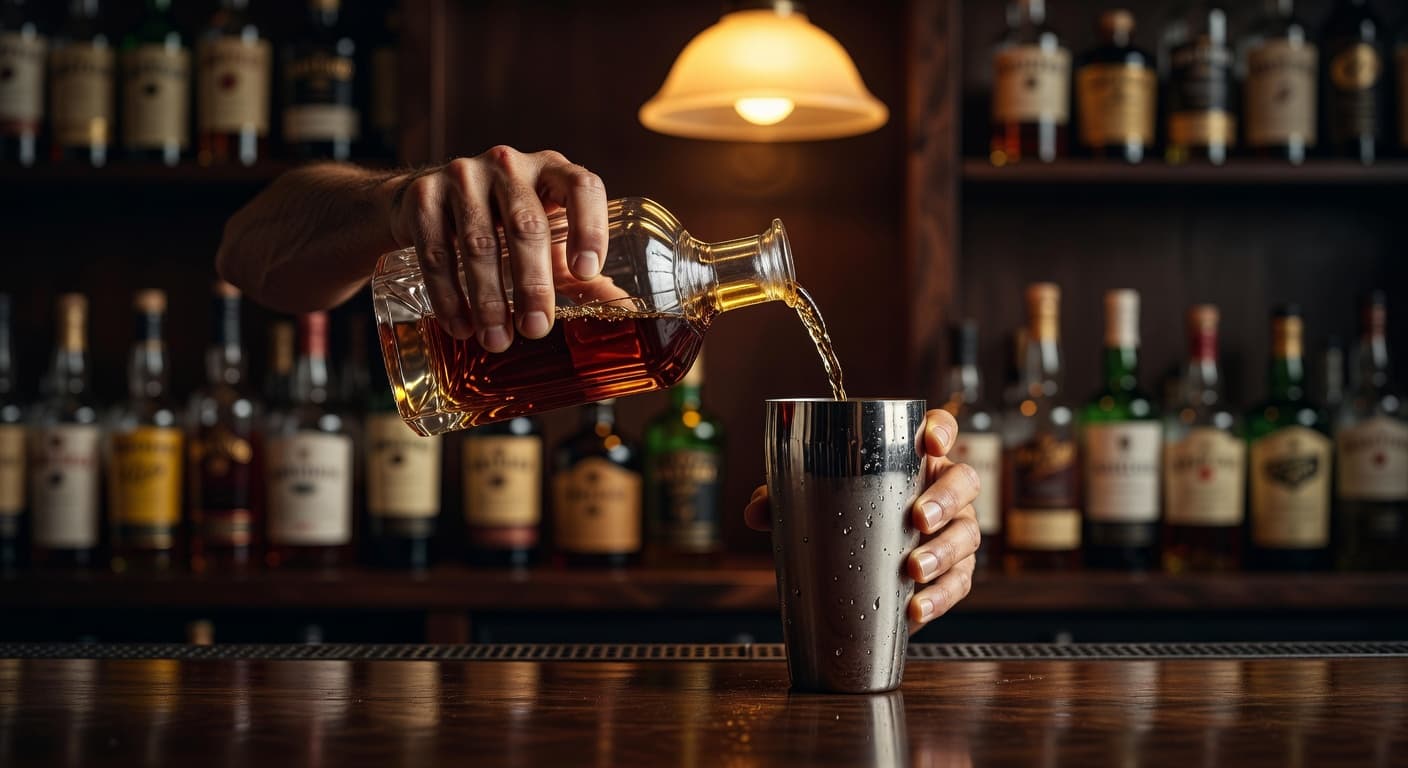
When a patron leaves your bar or taproom and an injury allegation comes back to your business, the right policy can help cover legal defense and damages. Your coverage should reflect how alcohol service fits into a market where customers have steady spending power and local businesses work closely together. Grand Forks has a median household income of $63,838, so your guests may spend more on private events and late-night service than in lower-income markets. The county that contains the city holds 1,876 business establishments, meaning your venue likely operates alongside landlords, promoters, and caterers who expect clear limits before signing a contract. Table service, late-night receipts, and private rentals each carry different exposures that an underwriter may want to understand.
About Liquor Liability Insurance in Grand Forks, ND
In North Dakota, liquor liability insurance can help cover claims tied to alcohol service, sale, manufacture, or distribution when an intoxicated patron is alleged to have caused injury after being served. The core protection usually includes bodily injury liability, defense costs, settlements, judgments, and assault and battery-related claims when they stem from alcohol service at your business. For many owners, the most important detail is that standard general liability often excludes liquor-related claims for businesses in the business of selling or serving alcohol.
North Dakota businesses should also think about how coverage aligns with liquor license insurance requirements and any carrier-specific endorsements. The state does not provide a one-size-fits-all policy mandate, but coverage requirements may vary by industry and business size, and the North Dakota Insurance Department regulates the market. That means a bar in a downtown metro, a restaurant in a suburban strip, a brewery near a college town, or a caterer serving rural events may all need different limits, deductibles, and host liquor liability coverage depending on how often alcohol is served and how the venue operates.
Dram shop insurance is especially relevant here because alcohol-serving establishments can face claims tied to overserving, intoxication, or a DUI-related incident after service. Policies can also differ on whether host liquor liability coverage is included for occasional events versus full commercial alcohol operations. It is important to confirm whether the quote is built for regular alcohol sales or only limited hosting exposure.
Coverage Included

Bodily Injury Liability
Can help cover injuries an intoxicated patron causes to others after your business served or sold them alcohol.

Property Damage Liability
May pay for property damage caused by an intoxicated customer your establishment served, such as a car crash after leaving.
Assault & Battery
Can help cover claims arising from fights or physical altercations involving intoxicated patrons at your bar or restaurant.
Defense Costs
May pay for attorneys, court fees, and related legal expenses when your business is sued over an alcohol-related incident.

Host Liquor Liability
Can help cover alcohol-related claims from events where you host or serve drinks without selling them, like company parties.
Liquor Liability Insurance Cost in Grand Forks
Average Cost in North Dakota
$40 - $170
per month
Businesses in North Dakota typically see liquor liability insurance premiums of $40 - $170 per month, which tends to run 28% below the national range of $50 - $240 per month.
- Share of sales that comes from alcohol
- Type of venue and how late you serve
- Server training and service procedures
- State dram shop law
- Liquor liability limits selected
- Prior over-service or assault claims
Contact CPK Insurance for a personalized quote.
Prices shown are general estimates, not guaranteed rates or quotes. Your actual premium will depend on the insurer, coverage selected, business details, location, claims history, and other underwriting factors. Learn about our pricing methodology.
Liquor liability insurance cost in North Dakota is shaped by the state's below-national-average premium index of 86, which means baseline business insurance tends to run about 14% cheaper here than the national average. The presence of many active insurers adds competition, but carriers still price each risk differently. Because North Dakota has high severe storm and winter storm risk, some businesses see indirect pricing pressure when weather affects staffing, event volume, or seasonal serving patterns, even though the policy itself is focused on alcohol-related claims.
The biggest pricing drivers here are coverage limits and deductibles, claims history, location, industry or risk profile, and policy endorsements. A high-volume bar in Fargo or Bismarck may price differently than a restaurant with limited alcohol sales in a smaller market. A venue that hosts large events may see a different policy than a brewery with a narrower service model. If you are evaluating coverage, ask for a quote that separates regular alcohol service from occasional host liquor liability coverage. Bundling can also affect price. Multi-policy discounts may apply when your policy is combined with other business insurance, though actual savings vary by carrier and account details.
What Makes Grand Forks Different
With 1,876 business establishments in Grand Forks County, alcohol service often happens inside a wider network of leases, vendor agreements, campus-adjacent traffic, and shared events rather than in isolation. For a buyer, that changes the calculus from simply carrying a policy to carrying terms that stand up to contract review. If your operation hosts fundraisers or cross-promotions with other local businesses, ask whether your limits, additional insured options, and incident-reporting expectations fit those arrangements. Retail trade accounts for 14.6% of establishments, construction 11%, and accommodation and food services 10.6%, so your patrons likely include shift workers, travelers, and after-work crowds whose drinking patterns vary by time of day. Your application should capture those service hours and customer flow in concrete detail.
Our Recommendation for Grand Forks
If alcohol is secondary to food on some nights but central during events, your quote should reflect both modes of operation. You may want to list every way alcohol is sold or served, including private rentals, ticketed events, tastings, and any temporary service areas, so the underwriter is not guessing from a broad class code. It can help to review contracts early if you lease space or partner with promoters, because certificate wording and limit expectations can surface before an event is confirmed. If your business depends on repeat neighborhood traffic, consider documenting how staff check IDs, cut off service, and escalate incidents. It can also be worth comparing terms for defense handling, assault and battery treatment, and event-specific needs instead of focusing only on the annual premium. Ask for a free quote.
Get Liquor Liability Insurance in Grand Forks
Enter your ZIP code to compare liquor liability insurance rates from carriers in Grand Forks, ND.
Business insurance starting at $25/mo
FAQ
Frequently Asked Questions
Buyers should have sales splits, closing hours, staff alcohol-service procedures, prior claims details, and any event or lease contracts ready. In a county with 1,876 business establishments, contract-driven insurance requests are common, so underwriters may expect thorough operational detail before quoting accurately.
Event venues often need a different review when alcohol is served only during weddings, fundraisers, or private rentals. Even occasional service can create claim exposure, so your quote may benefit from spelling out who serves, how often, and whether outside vendors are involved.
Grand Forks County has establishment share concentrated in retail trade at 14.6%, construction at 11%, and accommodation and food services at 10.6%. That mix points to a market with regular dining, gathering, and after-work traffic, so an underwriter may assume your busiest hours cluster around evenings and weekends rather than steady daytime flow.
Restaurants that host private events should review venue contracts before choosing limits. If a landlord, client, or event partner asks for specific insurance terms, it is easier to align the quote up front than to revise coverage after dates are booked.
Grand Forks has a median household income of $63,838, which can support regular dining and event spending. For an owner, that means alcohol service may be tied to private functions and higher guest expectations, so your policy review should track where your revenue actually comes from.
It can help cover claims tied to alcohol service, sale, or distribution, including bodily injury liability, defense costs, settlements, judgments, and certain assault and battery allegations when they arise from alcohol-related incidents at your North Dakota business.
It may be required. North Dakota may require proof of liquor liability coverage as a condition of holding a liquor license. Check your specific licensing and carrier requirements before applying or renewing, because proof and limits can vary by operation.
The state-specific average premium range is $40 to $170 per month, but your actual quote depends on coverage limits, deductibles, claims history, location, industry risk, and policy endorsements.
Sources
- 1.U.S. Census Bureau, ACS 5-Year Estimates, table B19013(Grand Forks median household income is $63,838.)
- 2.U.S. Census Bureau, County Business Patterns, Grand Forks County(In Grand Forks County, there are 1,876 business establishments.; The county business mix includes retail trade at 14.6%, construction at 11%, and accommodation and food services at 10.6%.)
Updated July 16, 2026





