Updated July 5, 2026

Commercial Auto Insurance in Cincinnati
Cincinnati operating costs start with what your vehicles are supporting. With a median household income of $51,707, many local customers and tenants are budget conscious, so missed appointments, damaged cargo, or a long repair cycle can cost you the job as much as the vehicle damage itself. That is why commercial auto insurance in Cincinnati is often less about buying the lowest deductible and more about matching downtime risk to how fast you need a van, pickup, or small fleet back on the road. If you run service calls from Hyde Park to Westwood, make retail deliveries near Kenwood, or move between client sites downtown and across Hamilton County, your policy should be built around route density, driver mix, and whether tools or products stay in the vehicle between stops. Before you quote, pin down who drives, where units park overnight, and how often employees use personal cars for work. Those details usually matter more here than a generic vehicle schedule pulled from last year's renewal.
Commercial Auto Insurance Risk Factors in Cincinnati
Cincinnati's top risk factors include Severe weather, Property crime, Flooding, and Vehicle accidents. Cincinnati's crime index of 117 (national avg: 100) increases vehicle theft risk, comprehensive auto coverage is important here. Flooding can cause significant vehicle damage, make sure comprehensive coverage is included.
Ohio has a moderate climate risk rating. Top hazards: Severe Storm (High), Tornado (High), Flooding (Moderate), Winter Storm (Moderate). The state's expected annual loss from natural hazards is $1.4B, which influences commercial auto insurance premiums and may affect coverage availability in high-risk areas.
What Commercial Auto Insurance Covers
Commercial auto insurance in Ohio is built around business use, so the policy is meant to respond when a company car, van, truck, or specialty vehicle is being driven for work. The Ohio minimum liability requirement for commercial vehicles applies, and that baseline is important because it can help address bodily injury and property damage claims after a vehicle accident. Many Ohio businesses also add collision coverage for physical damage from crashes and comprehensive coverage for losses tied to severe weather, theft, or other non-collision events. That is especially relevant in a state that has faced tornado outbreaks, derecho events, river flooding, and winter storms in recent years.
Ohio's market also makes endorsements worth reviewing. Hired auto coverage can extend protection to vehicles your business rents, and non-owned auto coverage can help when employees use personal vehicles for errands, client visits, or deliveries. Medical payments and uninsured motorist protection matter here, and uninsured and underinsured motorist coverage may be required, so those details should be confirmed on the quote. Policy setup should line up with registration and business use from the start.
Coverage Included

Bodily Injury Liability
Covers injuries you cause to others in an accident

Property Damage Liability
Covers damage you cause to others' property
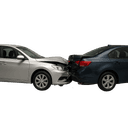
Collision Coverage
Pays for damage to your vehicle in an accident

Comprehensive Coverage
Covers theft, vandalism, weather, and animal damage

Medical Payments
Covers medical costs for your drivers and passengers

Uninsured Motorist
Protection when the other driver lacks insurance
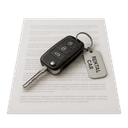
Hired & Non-Owned Auto
Covers rented or employee-owned vehicles used for work
Commercial Auto Insurance Cost in Cincinnati
Average Cost in Ohio
$120 - $340
per month
Businesses in Ohio typically see commercial auto insurance premiums of $120 - $340 per month, which tends to run 16% below the national range of $140 - $410 per month.
- Fleet size and vehicle types
- Driver records and experience
- Coverage limits and deductibles
- Business industry and use
- Annual mileage and operating radius
- Claims history
Rates based on small business averages. Your actual premium may vary.
Prices shown are general estimates, not guaranteed rates or quotes. Your actual premium will depend on the insurer, coverage selected, business details, location, claims history, and other underwriting factors. Learn about our pricing methodology.
Ohio pricing for this coverage reflects vehicle type, mileage, driver records, and claims history. The average premium range is $120 to $340 per month, while the product average is about $140 to $410 per vehicle per month and roughly $1,200 to $2,400 annually per vehicle for many small businesses. Ohio's premium index is 92, which means premiums here run about 8% below the national average, so your baseline cost may be lower than in many other states. Your final cost still varies by fleet size, vehicle type, driver records, coverage limits, deductibles, industry, annual mileage, operating radius, and claims history.
Ohio recorded 298,000 crashes in 2023, with common causes including lane departure, speeding, reckless driving, weather conditions, and following too closely. The average claim cost was $21,038, which can exceed what many small businesses keep in reserve for a single incident. The uninsured driver rate was 12.4%, so liability and uninsured motorist decisions can affect both price and protection. Severe storm and tornado exposure also matters because weather-related damage can push up the value of comprehensive coverage for vehicles parked outdoors or used across multiple counties.
Business mix also influences pricing. Ohio's economy includes 286,400 businesses, 99.6% of which are small businesses, so most quotes are for lean operations with a handful of vehicles. A local service company with one company car in Columbus may see a different quote than a delivery fleet running long daily mileage through Cleveland, Toledo, or the I-71 corridor. If your vehicles are newer, your drivers are experienced, and your limits and deductibles are balanced, the quote may look different than for a higher-mileage fleet with more complex use.
Industries & Insurance Needs in Cincinnati
Hamilton County has 21,080 business establishments, and the mix matters for vehicle use. Health care and social assistance accounts for 12.3% of establishments, retail trade 12%, and professional, scientific, and technical services 11.7%. So a local commercial auto policy often needs to fit short urban trips, frequent parking, client-site visits, and time-sensitive deliveries rather than long-haul mileage alone. If you operate in home health, retail distribution, field consulting, or any business where staff move between appointments, ask for a quote that separates owned autos, hired autos, and non-owned auto exposure. That structure can matter more than adding another vehicle class, especially if your team sometimes uses personal cars for errands, visits, or same-day runs.
What Makes Cincinnati Different
Route density is what changes the buying calculus here. Across Hamilton County, many businesses are not driving far, they are driving often, parking often, and moving between stops with little margin for delay. That pattern changes what you should review. A contractor with two pickups, a retailer with one delivery van, and a professional firm with employees using personal cars can all face very different loss scenarios even if annual mileage looks modest. Here, you should pay close attention to liability limits, hired and non-owned auto, rental reimbursement, and whether your policy setup matches how vehicles are actually dispatched during a normal week. If your operation depends on stacking several short trips into one day, a policy built only around vehicle count can miss the real exposure.
Our Recommendation for Cincinnati
Start your review with operations, not just the vehicle list. Map a normal week: who drives, how many stops each vehicle makes, where it parks, and whether employees ever carry tools, samples, or inventory. If your business serves households or small commercial clients, the local median household income of $51,707 is a useful reminder that customers may be quick to replace a vendor after a missed visit or disputed accident, so claims handling and downtime planning deserve attention alongside premium. Ask to compare deductible options against the cost of taking a vehicle out of service for several days. If staff use their own cars for banking, supply runs, or client meetings, request a clear review of non-owned auto exposure instead of assuming a personal policy solves it. Before renewing, verify garaging addresses, driver assignments, and any newly added vehicles or trailers.
Get Commercial Auto Insurance in Cincinnati
Enter your ZIP code to compare commercial auto insurance rates from carriers in Cincinnati, OH.
Business insurance starting at $25/mo
FAQ
Frequently Asked Questions
Cincinnati businesses with one work vehicle often still need a policy built around actual use. If that vehicle handles deliveries, service calls, or client visits across a dense local schedule, liability, downtime, and driver-use details can matter more than fleet size.
Cincinnati companies should ask specifically about non-owned auto exposure. If employees use personal cars for errands, appointments, or banking, the business should review whether that use is addressed instead of relying on assumptions from a personal auto policy.
Hamilton County business density can mean more short trips, more parking events, and more client-site driving, so buyers should ask for a quote that reflects route frequency, driver mix, and dispatch patterns, not just annual mileage.
Hamilton County's business mix, health care and social assistance at 12.3%, retail trade at 12%, and professional services at 11.7%, points to appointment driving, deliveries, and employee trips between sites, so hired and non-owned auto deserves a close review.
Cincinnati buyers should compare deductibles against downtime, not premium alone. With local households at a median income of $51,707, missed appointments or delayed deliveries can strain customer retention, so faster recovery may be worth more than a lower upfront cost.
In Ohio, it can cover liability for bodily injury and property damage, collision damage, comprehensive losses tied to theft or weather, medical payments, and uninsured and underinsured motorist protection. It can also be expanded with hired auto and non-owned auto coverage when your business rents vehicles or employees use personal cars for work.
The average range is $120 to $340 per month per vehicle, while the product average for small businesses is about $140 to $410 per vehicle per month. Your quote can move up or down based on vehicle type, driver records, limits, deductibles, mileage, operating radius, and claims history.
Any Ohio business using a car, van, truck, or fleet for work should review it, including companies with delivery routes, client visits, or transported materials. Businesses that rely on employees' personal vehicles should also look at hired and non-owned auto coverage because personal policies may not fully respond to business use.
Sources
- 1.U.S. Census Bureau, ACS 5-Year Estimates, table B19013(Cincinnati has a median household income of $51,707.)
- 2.U.S. Census Bureau, County Business Patterns, Hamilton County(Hamilton County has 21,080 business establishments.; Hamilton County's leading sectors by establishment share are health care and social assistance at 12.3%, retail trade at 12%, and professional, scientific, and technical services at 11.7%.)
Updated July 5, 2026