







































Updated July 16, 2026

Inland Marine Insurance in Cincinnati
Your equipment rarely stays in one place here. A contractor might load laser levels and saws at a warehouse near Queensgate, drive to a school renovation, then leave smaller tools at a temporary site overnight. The same goes for a medical supplier moving diagnostic devices between client locations or a retailer hauling display inventory to pop ups and offsite events. What matters is the handoff between your main premises, a vehicle, and a temporary location, because that is where property is most exposed. Your quote should reflect what you actually move, who owns it, where it sits during the workday, and whether you need protection for tools, installation materials, leased equipment, or customer property in your care. Start by listing what travels, what gets staged, and the highest single item value you cannot afford to replace quickly.
Inland Marine Insurance Risk Factors in Cincinnati
Cincinnati's top risk factors include Severe weather, Property crime, Flooding, and Vehicle accidents.
Ohio has a moderate climate risk rating. Top hazards: Severe Storm (High), Tornado (High), Flooding (Moderate), Winter Storm (Moderate). The state's expected annual loss from natural hazards is $1.4B, which influences inland marine insurance premiums and may affect coverage availability in high-risk areas.
What Inland Marine Insurance Covers
In Ohio, inland marine insurance is designed for business property that is mobile, installed offsite, or temporarily stored away from your main location. That can include tools and equipment, goods in transit, and mobile business property. The policy is meant to move with the property across job sites, customer locations, temporary storage areas, and transport routes statewide. Ohio does not set a special statewide mandate for this coverage, so the exact protection depends on the policy form, endorsements, limits, and deductible choices you select with the carrier.
Because Ohio is regulated by the Ohio Department of Insurance, policy language and underwriting can vary by insurer. Businesses should review what is covered while property is away from the scheduled premises. Standard coverage commonly addresses theft, damage, and vandalism for covered property in transit or at a temporary location, but exclusions and sublimits vary. A contractor's portable compressor, a plumber's inspection camera, or materials staged for an installation in a temporary storage unit may all be treated differently depending on how the policy is written. Builders risk is often used for materials and work in progress at a project site, while an installation floater is typically considered when materials are being installed at a customer location. Ohio businesses should confirm whether their policy is written for scheduled items, blanket coverage, or a mix of both. That affects how claims are measured when property moves across counties or is exposed to severe weather, theft, or damage during transport.
Coverage Included
Tools & Equipment
Can help repair or replace hand tools, power tools, and gear that are stolen or damaged on the job or in transit.

Goods in Transit
May cover products, materials, and merchandise while they are being shipped or hauled between locations in your care.
Contractors Equipment
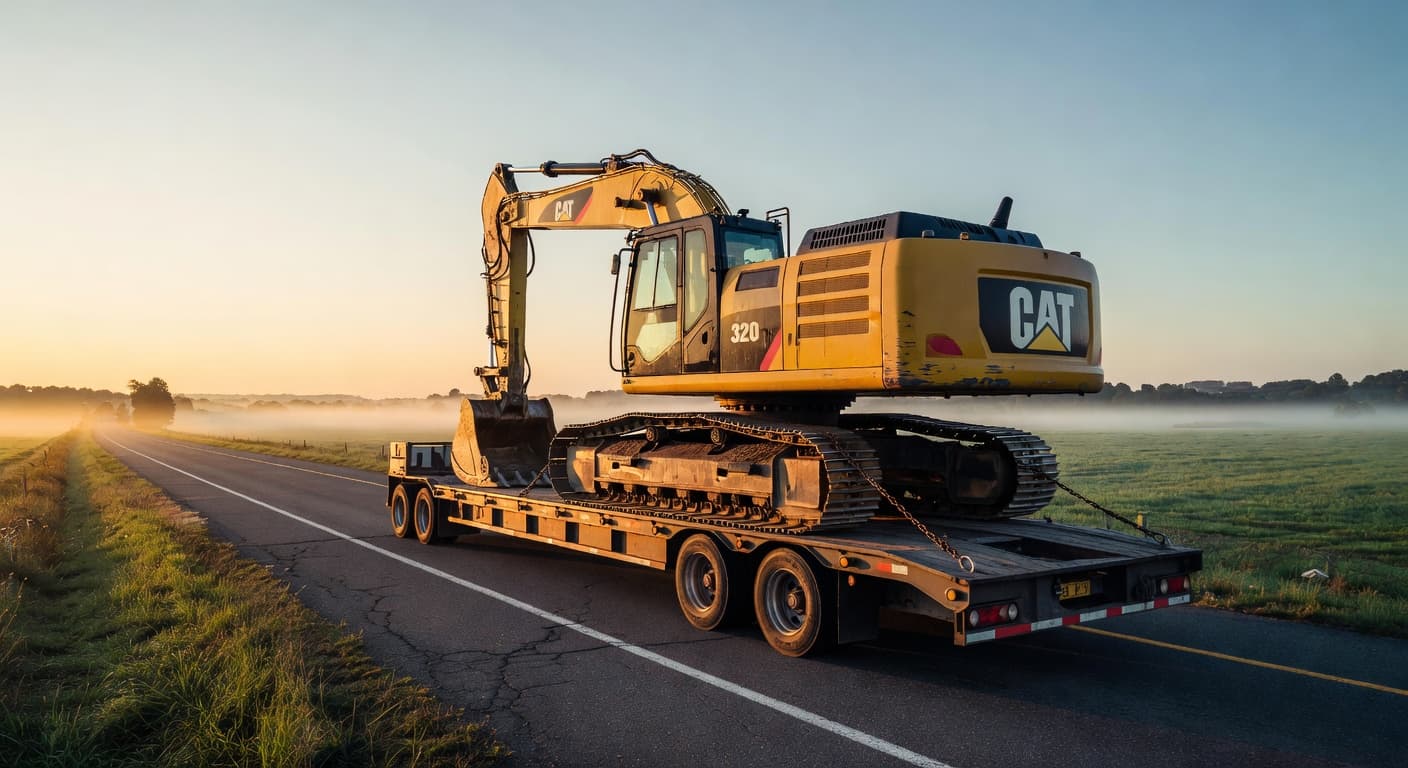
Typically covers heavy machinery like excavators, loaders, and generators against theft or damage at job sites and between them.

Installation Floater
Can help cover materials and fixtures from the moment you buy them until they are installed and accepted at a project.

Builders Risk
May cover a structure under construction, along with materials on site, against damage from fire, wind, theft, and vandalism.
Inland Marine Insurance Cost in Cincinnati
Average Cost in Ohio
$20 - $85
per month
Businesses in Ohio typically see inland marine insurance premiums of $20 - $85 per month, which tends to run 12% below the national range of $20 - $100 per month.
- Total insured value of the scheduled property
- Type and age of the equipment
- Where it is stored and how far it travels
- Jobsite security and theft prevention
- Per-item limits and deductibles
- Prior theft and in-transit losses
Contact CPK Insurance for a personalized quote.
Prices shown are general estimates, not guaranteed rates or quotes. Your actual premium will depend on the insurer, coverage selected, business details, location, claims history, and other underwriting factors. Learn about our pricing methodology.
The average premium range for inland marine insurance in Ohio varies based on the property being insured and the coverage structure. That spread reflects differences in limits, deductibles, endorsements, class of business, and how much mobile property is being insured. Ohio's competitive market may give you room to compare multiple quote paths.
Several Ohio factors can move pricing up or down. Coverage for high-value tools and equipment that travel frequently between job sites can cost more than a policy for light portable property. Businesses operating in areas exposed to severe storms, tornadoes, winter storms, or flooding may see higher rates because those hazards are material in the state's risk profile. Your claims history, coverage limits, deductible choices, location, and industry risk all factor into the final price. Ohio's crime data also plays a role in mobile property planning. Property crime remains a practical concern, and carriers may give underwriting attention to stored equipment and materials in areas with higher incident rates.
For a business in a lower-risk class with modest limits, the monthly cost may sit near the lower end of the Ohio range. For a contractor insuring expensive equipment, materials in transit, and installation exposures across multiple counties, the cost can move toward the higher end. The best way to understand your quote is to request pricing based on your actual equipment list, route patterns, storage practices, and project schedule.
Industries & Insurance Needs in Cincinnati
Hamilton County's business mix changes what inland marine claims can look like. Health care and social assistance account for 12.3% of establishments, retail trade 12%, and professional, scientific, and technical services 11.7%, so local buyers often are not just moving basic hand tools. They may be transporting diagnostic devices, event inventory, survey gear, testing equipment, laptops, or specialized instruments that are harder to replace on short notice. That matters because a policy review should focus on valuation, item scheduling, and whether customer property or borrowed equipment needs to be included, not just a broad blanket limit. If your operation serves clinics, offices, storefronts, or temporary installations across the county, ask how the policy treats property in transit, at unnamed locations, and in the custody of employees. A simple inventory with serial numbers, replacement cost, and usual destinations will make the quote more accurate and reduce disputes after a loss.
What Makes Cincinnati Different
Hamilton County's business density creates real pressure on mobile property. With 21,080 business establishments in the county, your gear is more likely to sit in a shared area or travel with someone else's crew before the day is over. In practical terms, that means more moments where responsibility gets blurry, whether a tool is left in a shared work area, materials are staged before installation, or a customer's equipment travels with your crew for service and calibration. For inland marine, the main question is not whether property moves, but how many custody changes happen in a normal week and whether your policy language follows them. If your business works through subcontractors, offsite storage, or recurring service calls, review who is carrying the property, where it sits between appointments, and whether any single item needs to be specifically scheduled. The right next step is to map your property flow from pickup to return, then compare that map against the categories and limits on your quote.
Our Recommendation for Cincinnati
Build your quote from the property outward, not from a generic class code. Separate owned tools and equipment from leased items, installation materials, and customer property, because each can trigger a different coverage discussion. If you move higher value devices or instruments between appointments, ask whether a blanket limit is enough or whether certain items should be scheduled individually. When crews leave equipment at temporary sites, confirm how the policy treats property away from your main premises and whether theft controls, locking practices, or vehicle storage habits affect underwriting. Cincinnati buyers should also tighten their documentation before they shop. Pull together current equipment lists, serial numbers, photos, replacement values, and the addresses or types of places where property is usually kept. If a loss would interrupt contracts or force you to rent substitute equipment, raise that during the quote review so limits and endorsements are considered before the job calendar gets busy.
Get Inland Marine Insurance in Cincinnati
Enter your ZIP code to compare inland marine insurance rates from carriers in Cincinnati, OH.
Business insurance starting at $25/mo
FAQ
Frequently Asked Questions
Start with the property that travels most often and would be hardest to replace quickly, such as tools, instruments, leased equipment, installation materials, or customer items in your care. That list usually drives the most useful limit and valuation discussion.
Hamilton County has a dense business base, so many local firms work through frequent deliveries, site access rules, subcontractors, and temporary storage arrangements. Your policy needs to follow property through every custody change, not just cover it at a fixed address.
Cincinnati area demand is broader than construction. In Hamilton County, health care and social assistance represent 12.3% of establishments, retail trade 12%, and professional, scientific, and technical services 11.7%. Those sectors rely on mobile devices, display inventory, and specialized instruments that deserve the same attention contractors give their tools.
That decision usually comes down to item value and how specialized the property is. A blanket limit can fit smaller, similar equipment, while individually scheduled items may make more sense for expensive devices, instruments, or leased property.
Service, repair, and delivery work can put customer property in your custody away from your premises, so it is worth reviewing carefully. Ask whether the quote contemplates customer items, temporary locations, and transit between appointments.
In Ohio, it may help cover tools, equipment, materials, and goods that move between job sites, customer locations, and temporary storage. The policy is meant to follow the property during transport and while it is away from your fixed premises, but the exact covered items depend on the carrier form and any endorsements.
It may help cover mobile property while it is away from your main business address, including at job sites, offsite storage, or customer locations, if the policy is written that way. Ohio businesses should confirm whether the carrier treats temporary storage, installation sites, and overnight vehicle storage differently.
Contractors, electricians, plumbers, landscapers, builders, installers, and other businesses that move property regularly are common buyers in Ohio. It can also fit manufacturers, retailers, and service businesses that ship goods or store valuable portable property offsite.
Sources
- 1.U.S. Census Bureau, County Business Patterns, Hamilton County(In a market tied into a county with 21,080 business establishments, mobile property changes hands constantly between suppliers, job sites, tenants, venues, and client locations.; Health care and social assistance account for 12.3% of establishments, retail trade 12%, and professional, scientific, and technical services 11.7%, so local buyers often are not just moving basic hand tools.)
Updated July 16, 2026





