CPK Insurance
Liquor Liability Insurance in Cincinnati, Ohio

Cincinnati, OH Liquor Liability Insurance

Liquor Liability Insurance in Cincinnati, OH

Coverage for businesses that sell, serve, or distribute alcohol against alcohol-related liability claims.

No obligationTakes under 5 minutes100% free

Updated March 31, 2026

CPK Insurance

CPK Insurance Editorial Team

Reviewed by Licensed Insurance Agents

Fact-Checked

Liquor Liability Insurance in Cincinnati

For owners comparing liquor liability insurance in Cincinnati, the local question is not whether alcohol service creates exposure, but how your venue’s setup changes it. A bar in Over-the-Rhine, a restaurant near The Banks, a banquet room in downtown Cincinnati, or a private-event space in Mount Adams may all face different serving patterns, crowd sizes, and late-night traffic. That matters because claims tied to intoxication, overserving, serving liability, assault, or a liquor license issue can look very different from one business to the next. Cincinnati’s 2024 crime index of 117, along with a violent crime rate of 403.9 and aggravated assault trending upward, makes it especially important to think about alcohol-related altercations after last call. The city also had 10,301 annual crashes in 2023, so businesses hosting guests who leave on foot, by rideshare, or after a long evening should review how their liquor liability policy in Cincinnati responds to covered incidents. If you operate in downtown Cincinnati and surrounding areas, the right policy should match how often you serve alcohol, how late you stay open, and whether your business needs liquor license insurance in Cincinnati for permitting or renewal.

Liquor Liability Insurance Risk Factors in Cincinnati

Cincinnati’s risk profile makes alcohol-related claims more sensitive in busy nightlife and event corridors. The city’s overall crime index is 117, with violent crime at 403.9 and aggravated assault increasing, which raises the importance of assault & battery protection in a liquor liability policy in Cincinnati for venues where alcohol service can lead to conflict. Property crime is still a concern at 2065.5, but for this coverage the bigger issue is how intoxication and overserving can escalate into bodily injury claims or serving-liability allegations. Cincinnati also reported 10,301 crashes in 2023, including weather-related and lane-departure incidents, so businesses that host patrons late at night should think about the handoff from service to departure. With 7% of the city in flood zones and severe weather listed as a top risk, event timing and crowd control can also affect how smoothly alcohol service ends when conditions change. For bars, restaurants, and event venues, the local risk picture makes defense costs and clear liquor license documentation especially important.

Ohio has a moderate climate risk rating. Top hazards: Severe Storm (High), Tornado (High), Flooding (Moderate), Winter Storm (Moderate). The state's expected annual loss from natural hazards is $1.4B, which influences liquor liability insurance premiums and may affect coverage availability in high-risk areas.

What Liquor Liability Insurance Covers

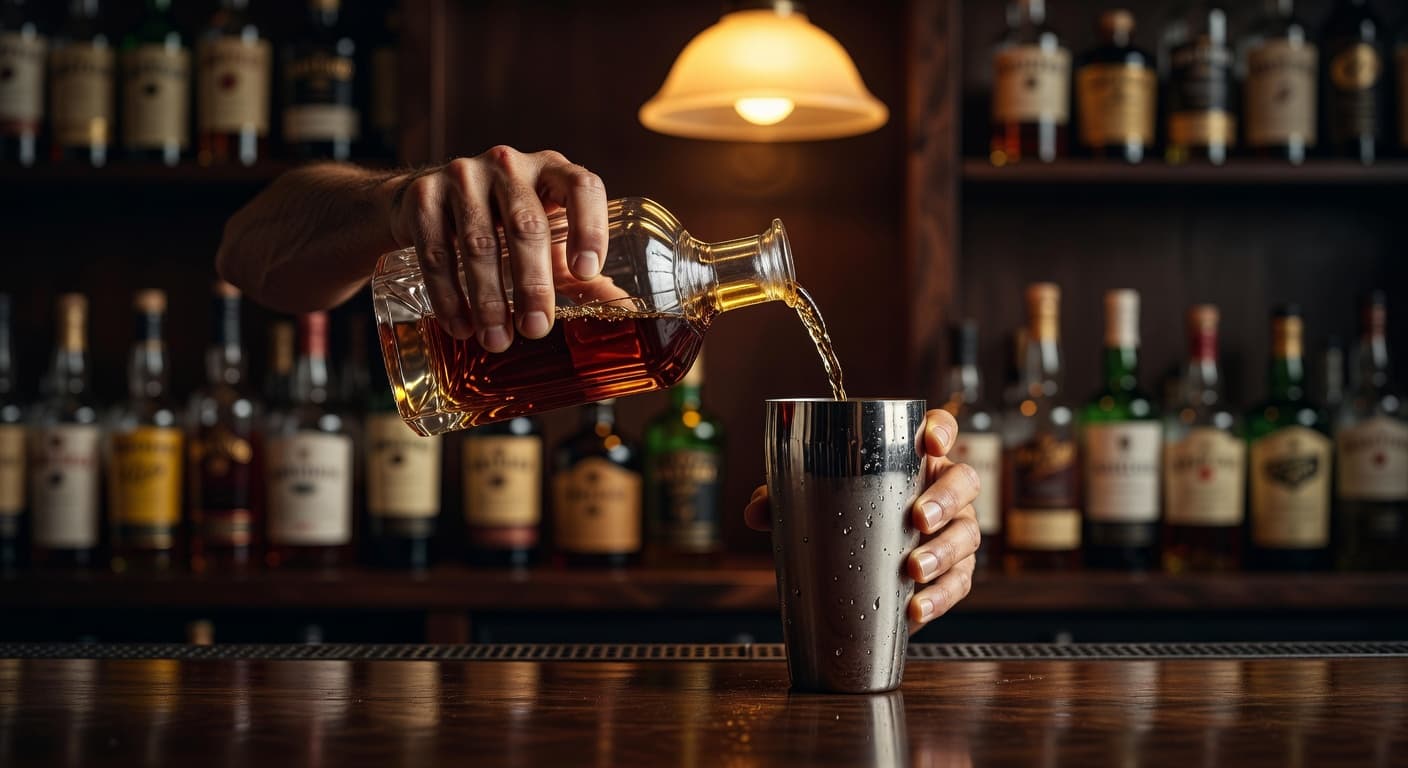
Liquor liability insurance coverage in Ohio is designed for alcohol-related claims tied to serving, selling, manufacturing, or distributing alcoholic beverages. For Ohio businesses, that usually means protection for bodily injury liability, property damage liability, assault and battery claims, defense costs, and host liquor liability coverage when alcohol is served in a limited or special-event setting. The policy is built for claims that can arise after intoxication, overserving, or a dram shop allegation, rather than ordinary business disputes. In Ohio, where coverage requirements may vary by industry and business size, the exact liquor liability policy in Ohio depends on how alcohol is handled and whether a liquor license is part of the operation. Standard general liability policies often exclude alcohol-related claims for businesses that regularly serve alcohol, so a separate liquor liability policy is commonly needed for bars, restaurants, nightclubs, breweries, wineries, liquor stores, caterers, event venues, and hotels. Ohio businesses should also compare endorsements carefully, because policy terms can vary by carrier and risk profile. If you only host alcohol occasionally, host liquor liability coverage in Ohio may be relevant, but it is not the same as full liquor liability insurance coverage in Ohio for a business that sells or serves alcohol as a regular part of operations.

Coverage Included
Bodily Injury Liability

Protection for bodily injury liability-related losses and claims

Property Damage Liability

Protection for property damage liability-related losses and claims

Assault & Battery

Protection for assault & battery-related losses and claims

Defense Costs

Protection for defense costs-related losses and claims

Host Liquor Liability

Protection for host liquor liability-related losses and claims

Liquor Liability Insurance Cost in Cincinnati

In Ohio, liquor liability insurance premiums are 8% below the national average. This means competitive rates are available.

Average Cost in Ohio

$38 – $268 per month

per month

  • Coverage limits and deductibles
  • Claims history
  • Location
  • Industry or risk profile
  • Policy endorsements

Contact CPK Insurance for a personalized quote.

National average: $167 – $625 per month

* Estimates based on industry averages. Actual premiums depend on your specific business details, claims history, and coverage selections. Rates shown are for informational purposes only and do not constitute a quote.

Liquor liability insurance cost in Ohio typically falls within the state average range of $38 to $268 per month, while the broader product benchmark shown for this coverage is $167 to $625 per month. Where your quote lands depends on your alcohol exposure, coverage limits, deductibles, claims history, location, industry class, and endorsements. Ohio’s premium index of 92 suggests insurance pricing is below the national average overall, but liquor liability insurance pricing still moves up or down based on the specifics of the business. A downtown Columbus bar with late-night service, a Cleveland restaurant with a busy weekend crowd, or a Cincinnati event venue with frequent alcohol service may see different pricing than a small operation with limited hours and lower volume. Ohio’s market also matters: 520 insurers are active in the state, and carriers such as State Farm, Progressive, Nationwide, and Erie Insurance are part of the competitive landscape. That competition can help when you request a liquor liability insurance quote in Ohio, but it does not create fixed pricing. Ohio’s moderate overall risk profile, plus local concerns around severe storms, tornadoes, and winter weather, can influence broader commercial underwriting and how carriers evaluate your business profile. For the most accurate liquor liability insurance cost in Ohio, carriers usually want revenue, serving hours, venue type, claims history, and policy limit details before they bind coverage.

Industries & Insurance Needs in Cincinnati

Cincinnati’s industry mix helps explain why demand for alcohol-related coverage stays steady. Healthcare & Social Assistance leads at 17.8%, followed by Manufacturing at 14.4%, Retail Trade at 9.6%, Accommodation & Food Services at 9.4%, and Professional & Technical Services at 9.2%. That combination creates a broad base of employers, but the direct demand for liquor liability insurance coverage in Cincinnati is strongest in hospitality, retail-adjacent venues, and event spaces that serve alcohol to the public or to private groups. Restaurants near office districts, hotels hosting business travelers, and event venues tied to corporate functions often need a liquor liability policy in Cincinnati that reflects both daytime and evening use. The city’s sizable professional services presence can also support catered meetings, receptions, and client events where host liquor liability coverage in Cincinnati may be considered for occasional service. Meanwhile, the 9.4% Accommodation & Food Services share means bar insurance coverage in Cincinnati and restaurant liquor liability insurance in Cincinnati are practical concerns for a meaningful slice of local businesses, not niche add-ons.

Liquor Liability Insurance Costs in Cincinnati

Cincinnati’s cost context is shaped by a median household income of $69,733 and a cost of living index of 90, which is below average. That does not create a fixed liquor liability insurance cost in Cincinnati, but it can influence how owners structure limits, deductibles, and endorsements. Businesses in a lower-cost market often compare more carriers before binding, especially when they want a liquor liability quote in Cincinnati that matches a neighborhood bar, a downtown restaurant, or a private-event venue. Premiums still depend more on alcohol exposure than on general operating costs, so late-night service, larger guest counts, and frequent events can matter more than the city’s overall affordability. Cincinnati’s economy also includes a mix of established hospitality and service businesses, which means insurers may look closely at revenue, hours, and serving patterns when setting terms. If your operation is small and your alcohol service is occasional, host liquor liability coverage in Cincinnati may fit differently than a full liquor liability policy in Cincinnati for a venue with regular service.

What Makes Cincinnati Different

The single biggest Cincinnati difference is the mix of dense nightlife, event traffic, and measurable public-safety pressure around alcohol service. A venue in Over-the-Rhine, downtown, or near The Banks may have a very different exposure profile than a quieter neighborhood operation because guest volume, late hours, and post-service movement all increase the chance that intoxication turns into a claim. Cincinnati’s elevated crime index and increasing aggravated assault trend make assault-related allegations more relevant here than in a lower-traffic market. At the same time, the city’s 10,301 crashes in 2023 mean the end of the evening matters almost as much as the serving window itself. That combination changes the insurance calculus: carriers may ask more detailed questions about hours, event size, and service style before issuing a liquor liability quote in Cincinnati. For owners, the practical takeaway is that the right liquor liability insurance in Cincinnati should be built around how alcohol is actually served in your specific neighborhood and venue type, not just around the fact that you serve alcohol at all.

Our Recommendation for Cincinnati

Start by mapping your actual alcohol service in Cincinnati: regular bar service, restaurant table service, private events, or occasional hosted gatherings. Then ask for a liquor liability insurance quote in Cincinnati that reflects those details, because a downtown banquet space, an OTR bar, and a hotel event room do not carry the same exposure. Pay close attention to whether the form includes defense costs, assault & battery, and the limits needed for your guest volume. If your alcohol service is occasional, compare host liquor liability coverage in Cincinnati against a broader liquor liability policy in Cincinnati so you are not paying for features you do not use. I would also confirm any liquor liability insurance requirements in Cincinnati tied to your permit or renewal process, since liquor license insurance in Cincinnati can be a practical documentation issue as well as a coverage issue. Finally, review hours, event calendars, and security procedures before binding, because those operational details can affect how an underwriter views serving liability and intoxication risk.

Get Liquor Liability Insurance in Cincinnati

Enter your ZIP code to compare liquor liability insurance rates from carriers in Cincinnati, OH.

Business insurance starting at $25/mo

FAQ

Frequently Asked Questions

If a Cincinnati bar serves alcohol late into the night, the exposure to intoxication, overserving, and assault-related claims generally becomes more important, so a liquor liability policy in Cincinnati should be reviewed carefully.

Downtown Cincinnati venues may see different pricing questions because of guest volume, event traffic, and late-hour service, so underwriters often want more detail before issuing a liquor liability quote in Cincinnati.

It may be appropriate for occasional hosted alcohol service, but the right fit depends on how often you serve, where events happen, and whether your operations look more like a venue or a one-time host.

Restaurants should ask whether the policy includes defense costs, assault & battery, and the liquor liability insurance requirements in Cincinnati that may relate to their license or renewal process.

Neighborhoods with heavier nightlife or event traffic can change how insurers view intoxication, overserving, and post-service incidents, so a venue in Cincinnati and surrounding areas should be quoted based on its actual location and hours.

It typically covers alcohol-related claims tied to intoxication, overserving, and dram shop allegations, including bodily injury liability, property damage liability, assault and battery, defense costs, and host liquor liability coverage when that endorsement applies.

Often yes for businesses that sell or serve alcohol, but the exact liquor license insurance in Ohio requirement varies by carrier, industry, and business size, so you should confirm the proof-of-insurance details before renewal or application.

The Ohio average range shown is $38 to $268 per month, while the broader product benchmark is $167 to $625 per month, and your final price depends on limits, deductibles, claims history, location, and endorsements.

Carriers look at your industry classification, serving hours, claims history, coverage limits, deductible choices, geographic location, and policy endorsements, so a downtown nightlife venue may price differently from a low-volume neighborhood operation.

Host liquor liability coverage in Ohio is generally for occasional alcohol service, while full liquor liability insurance is for businesses that regularly sell, serve, manufacture, or distribute alcoholic beverages as part of normal operations.

Yes, the coverage is designed to pay defense costs and may respond to settlements and judgments from alcohol-related claims, subject to the policy terms, limits, and exclusions.

Submit your business details, Ohio locations, alcohol service model, revenue, staff count, and claims history to compare quotes from multiple carriers, then review limits, exclusions, and certificates before binding.

Review the limits that match your exposure, then ask about defense costs, assault and battery, host liquor liability, and any endorsements tied to your venue type, liquor license, or serving pattern.

Any business that sells, serves, manufactures, or distributes alcoholic beverages needs liquor liability insurance. This includes bars, restaurants, nightclubs, breweries, wineries, liquor stores, caterers, event venues, and hotels. Many states require liquor liability coverage as a condition of holding a liquor license.

Standard general liability policies contain a liquor liability exclusion for businesses in the business of selling, serving, or distributing alcohol. If alcohol sales are a part of your regular operations, you need a separate liquor liability policy. Businesses that only occasionally serve alcohol (such as at a company holiday party) may have limited coverage under their general liability policy.

Dram shop laws hold alcohol-serving establishments legally responsible for injuries or damages caused by intoxicated patrons. Most states have some form of dram shop law, and penalties can include significant financial judgments. Liquor liability insurance protects your business from these claims and provides the legal defense you need.

Most liquor liability insurance policies can be quoted and bound within 24-48 hours for standard risks. An independent agent like CPK Insurance can compare options from multiple carriers and have your policy in place quickly. Certificates of insurance are typically available the same day the policy is bound.

Yes. Bundling liquor liability insurance with your other business insurance policies — such as general liability, commercial property, and workers compensation — typically saves 10-20% through multi-policy discounts. An independent agent can help you find the best bundle pricing across multiple carriers.

Key factors include your industry classification, annual revenue, number of employees, claims history, coverage limits, deductible choices, and geographic location. Coverage limits and deductibles, Claims history, Location, Industry or risk profile, Policy endorsements are all considered in pricing.

Yes. Liquor liability insurance covers claims arising from the actions of your employees who serve, sell, or furnish alcohol — including bartenders, servers, and event staff. The policy protects the business when an employee over-serves a patron who then causes injury or property damage. All employees involved in alcohol service are typically covered.

Contact your insurance carrier's claims department immediately — most have 24/7 claims hotlines. Document the incident thoroughly with photos, written descriptions, and witness information. Notify your insurance agent as well. Prompt reporting is important, as delays can complicate or jeopardize your claim.

Updated March 31, 2026

CPK Insurance

CPK Insurance Editorial Team

Reviewed by Licensed Insurance Agents

Fact-Checked

Free & Fast

Compare Quotes from Top Carriers

Enter your ZIP code and compare rates from A-rated carriers in minutes. Free, no obligations.

Compare Quotes NowNo obligation required