








































Updated July 5, 2026

Inland Marine Insurance in Cleveland
Your equipment rarely stays in one place here. A contractor may load laser levels and compact tools in a warehouse near the Flats before heading to a rehab on the West Side, while an event vendor moves lighting, staging, or rented gear between downtown venues and suburban stops in the same week. If that sounds familiar, inland marine insurance in Cleveland is less about a generic property form and more about matching coverage to how your property actually travels, gets staged, and is handed off. You want the schedule, valuation method, and transit language reviewed against your real workflow: owned tools, leased equipment, customer property in your care, and items left at temporary sites between jobs. Cuyahoga County has 31,728 business establishments, so certificates, contract terms, and proof of responsibility often show up early in bids, leases, and vendor agreements. That makes it worth reviewing whether your policy descriptions are specific enough for the property you move every week, not just the property sitting at your main address. Before you request a quote, list what moves, who transports it, where it is stored overnight, and which items would be hardest to replace fast.
Inland Marine Insurance Risk Factors in Cleveland
Local risk here often comes from movement and temporary staging, not just distance. Equipment may sit in a van during multiple stops, stay overnight at a renovation site, or be unloaded into older commercial buildings with shared access and changing crews. That creates a different review than property kept inside one controlled location. You should look closely at where losses could happen in your operation: during loading, while property is in transit, at a customer site, or while materials and tools are stored off premises for a short period. Cleveland buyers also need to think about mixed-use neighborhoods and dense job routing. If your team works several stops in one day, small handoffs and short-term storage become routine, and routine is where uninsured gaps can hide. Ask for a quote built around the property classes you actually move, whether items are scheduled individually or covered on a broader basis, and how **temporary locations** are treated under the form.
Ohio has a moderate climate risk rating. Top hazards: Severe Storm (High), Tornado (High), Flooding (Moderate), Winter Storm (Moderate). The state's expected annual loss from natural hazards is $1.4B, which influences inland marine insurance premiums and may affect coverage availability in high-risk areas.
What Inland Marine Insurance Covers
In Ohio, inland marine insurance is designed for business property that is mobile, installed offsite, or temporarily stored away from your main location. That can include tools and equipment, goods in transit, and mobile business property. The policy is meant to move with the property across job sites, customer locations, temporary storage areas, and transport routes statewide. Ohio does not set a special statewide mandate for this coverage, so the exact protection depends on the policy form, endorsements, limits, and deductible choices you select with the carrier.
Because Ohio is regulated by the Ohio Department of Insurance, policy language and underwriting can vary by insurer. Businesses should review what is covered while property is away from the scheduled premises. Standard coverage commonly addresses theft, damage, and vandalism for covered property in transit or at a temporary location, but exclusions and sublimits vary. A contractor's portable compressor, a plumber's inspection camera, or materials staged for an installation in a temporary storage unit may all be treated differently depending on how the policy is written. Builders risk is often used for materials and work in progress at a project site, while an installation floater is typically considered when materials are being installed at a customer location. Ohio businesses should confirm whether their policy is written for scheduled items, blanket coverage, or a mix of both. That affects how claims are measured when property moves across counties or is exposed to severe weather, theft, or damage during transport.
Coverage Included
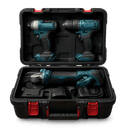
Tools & Equipment
Can help repair or replace hand tools, power tools, and gear that are stolen or damaged on the job or in transit.

Goods in Transit
May cover products, materials, and merchandise while they are being shipped or hauled between locations in your care.
Contractors Equipment
Typically covers heavy machinery like excavators, loaders, and generators against theft or damage at job sites and between them.

Installation Floater
Can help cover materials and fixtures from the moment you buy them until they are installed and accepted at a project.

Builders Risk
May cover a structure under construction, along with materials on site, against damage from fire, wind, theft, and vandalism.
Inland Marine Insurance Cost in Cleveland
Average Cost in Ohio
$20 - $85
per month
Businesses in Ohio typically see inland marine insurance premiums of $20 - $85 per month, which tends to run 12% below the national range of $20 - $100 per month.
- Total insured value of the scheduled property
- Type and age of the equipment
- Where it is stored and how far it travels
- Jobsite security and theft prevention
- Per-item limits and deductibles
- Prior theft and in-transit losses
Contact CPK Insurance for a personalized quote.
Prices shown are general estimates, not guaranteed rates or quotes. Your actual premium will depend on the insurer, coverage selected, business details, location, claims history, and other underwriting factors. Learn about our pricing methodology.
The average premium range for inland marine insurance in Ohio varies based on the property being insured and the coverage structure. That spread reflects differences in limits, deductibles, endorsements, class of business, and how much mobile property is being insured. Ohio's competitive market may give you room to compare multiple quote paths.
Several Ohio factors can move pricing up or down. Coverage for high-value tools and equipment that travel frequently between job sites can cost more than a policy for light portable property. Businesses operating in areas exposed to severe storms, tornadoes, winter storms, or flooding may see higher rates because those hazards are material in the state's risk profile. Your claims history, coverage limits, deductible choices, location, and industry risk all factor into the final price. Ohio's crime data also plays a role in mobile property planning. Property crime remains a practical concern, and carriers may give underwriting attention to stored equipment and materials in areas with higher incident rates.
For a business in a lower-risk class with modest limits, the monthly cost may sit near the lower end of the Ohio range. For a contractor insuring expensive equipment, materials in transit, and installation exposures across multiple counties, the cost can move toward the higher end. The best way to understand your quote is to request pricing based on your actual equipment list, route patterns, storage practices, and project schedule.
Industries & Insurance Needs in Cleveland
County industry mix is the useful clue here. In Cuyahoga County, retail trade accounts for 12.3% of establishments, health care and social assistance 12%, and professional, scientific, and technical services 11.8%. That matters because local inland marine demand is not limited to contractors hauling tools. Retail operations may move inventory, display units, or point of sale equipment between locations and events. Health care businesses may need to review mobile diagnostic, therapy, or service equipment that leaves a primary premises. Professional and technical firms may carry specialized instruments, testing gear, or high value electronics to client sites. The practical takeaway is to avoid asking for a one-size-fits-all quote. Start with the property category that creates the largest interruption if it is stolen, damaged, or delayed, then have the form reviewed around transit, temporary storage, and customer-site use.
What Makes Cleveland Different
Operational density is what changes the calculus here. In this market, many businesses do not simply ship property from one fixed point to another. They move it through a tight network of jobs, venues, client sites, and temporary storage points, often with different employees touching the same equipment over the course of a week. That pattern raises a practical coverage question: is your policy built for repeated handoff and staging, or only for a simpler transit story? The local pace of contracting and subcontracting reinforces that pattern, so property often moves under purchase orders, work orders, and venue requirements before a loss ever happens. The city difference is not that inland marine works differently under Ohio law. It is that your schedule of property, descriptions of use, and documentation habits matter more when gear is constantly moving through dense commercial activity. Review serial-numbered items, rented equipment responsibilities, and any customer property you sign for before the next busy stretch.
Our Recommendation for Cleveland
Start with an inventory that reflects movement, not accounting categories. Separate owned tools, leased or rented equipment, installation materials, mobile electronics, and customer property in your care, because each can trigger a different coverage conversation. If an item regularly leaves your main location, mark who transports it, where it is left overnight, and whether it is used by one crew or several. That helps you decide whether scheduled coverage, broader unscheduled protection, or a mix makes more sense. If you bid work for commercial landlords, venues, or larger organizations, keep your property descriptions plain and specific so certificates and contract reviews go faster. Cleveland's median household income is $39,187, so many local buyers are balancing replacement-cost concerns against tight operating cash flow. That is a reason to prioritize the equipment that would stop revenue first, not a reason to understate values. When you request a quote, bring your equipment list, recent rental agreements, and any contract language that shifts responsibility for property in transit or at temporary sites.
Get Inland Marine Insurance in Cleveland
Enter your ZIP code to compare inland marine insurance rates from carriers in Cleveland, OH.
Business insurance starting at $25/mo
FAQ
Frequently Asked Questions
Cleveland businesses that stage property at temporary job sites should review how the form treats tools, materials, and equipment between transit and overnight storage. Ask whether customer-site property, leased gear, and items left off premises are described the way your crews actually operate.
Cuyahoga County companies often move property through a dense commercial network. That pace makes inland marine worth reviewing for repeated loading, unloading, handoff, and short-term staging, not just long-haul transit.
Cleveland-area buyers in county sectors like retail trade at 12.3%, health care and social assistance at 12%, and professional, scientific, and technical services at 11.8% often use inland marine for mobile inventory, instruments, electronics, and specialized equipment.
Cleveland businesses using rented equipment should ask who is responsible for loss under the rental contract, whether the item needs to be scheduled, and how transit and temporary storage are handled. Bring the agreement so the quote can match those obligations.
Cleveland buyers often need to balance protection with operating cash flow, and the city's median household income is $39,187. A practical approach is to insure the equipment that would interrupt revenue first, then review lower-priority items and deductibles.
In Ohio, it may help cover tools, equipment, materials, and goods that move between job sites, customer locations, and temporary storage. The policy is meant to follow the property during transport and while it is away from your fixed premises, but the exact covered items depend on the carrier form and any endorsements.
It may help cover mobile property while it is away from your main business address, including at job sites, offsite storage, or customer locations, if the policy is written that way. Ohio businesses should confirm whether the carrier treats temporary storage, installation sites, and overnight vehicle storage differently.
Contractors, electricians, plumbers, landscapers, builders, installers, and other businesses that move property regularly are common buyers in Ohio. It can also fit manufacturers, retailers, and service businesses that ship goods or store valuable portable property offsite.
Sources
- 1.U.S. Census Bureau, County Business Patterns, Cuyahoga County(Cuyahoga County has 31,728 business establishments, so certificates, contract terms, and proof of responsibility often show up early in bids, leases, and vendor agreements.; In Cuyahoga County, retail trade accounts for 12.3% of establishments, health care and social assistance 12%, and professional, scientific, and technical services 11.8%.)
- 2.U.S. Census Bureau, ACS 5-Year Estimates, table B19013(Cleveland's median household income is $39,187, so many local buyers are balancing replacement-cost concerns against tight operating cash flow.)
Updated July 5, 2026





