








































Updated July 16, 2026

Commercial Truck Insurance in Columbus
Operating costs in Columbus push a practical insurance question to the forefront. You need to know how much downtime, substitute trucking, and out-of-pocket repair expense your business can absorb before cash flow tightens. With a local median household income of $65,327, payroll costs run high enough that a single week of downtime can erase a month of margin. For that reason, your policy is often less about chasing the lowest premium and more about setting deductibles and physical damage limits your operation can actually carry. That matters if you run box trucks on dense delivery schedules near Downtown, service medical offices around Upper Arlington, or move supplies between warehouses and retail stops across the outer belt.
A local quote should account for where your trucks are garaged each night and whether any units are financed. It should also factor in how often drivers swap vehicles and how quickly you would need a rental after a loss. Before you bind coverage, review stated value versus actual cash value. Ask how downtime is handled, and make sure certificate turnaround fits the contracts you sign.
Commercial Truck Insurance Risk Factors in Columbus
Columbus's top risk factors include Severe weather, Property crime, Flooding, and Vehicle accidents.
Ohio has a moderate climate risk rating. Top hazards: Severe Storm (High), Tornado (High), Flooding (Moderate), Winter Storm (Moderate). The state's expected annual loss from natural hazards is $1.4B, which influences commercial truck insurance premiums and may affect coverage availability in high-risk areas.
What Commercial Truck Insurance Covers
Your policy is built around the exposures that come with hauling freight on state highways, local delivery routes, and interstate lanes. The core coverages are motor carrier liability, physical damage, cargo coverage, trailer interchange, bobtail coverage, and non-trucking liability.
For interstate freight, the liability structure still has to align with FMCSA expectations. Federal minimum liability requirements apply to general freight carriers, while hazardous materials may require higher limits. Ohio's commercial auto minimum applies to vehicles subject to state auto rules, but shipper and broker contracts can exceed those minimums.
Endorsements let you tailor your policy to Ohio-specific route exposure, which changes quickly with seasonal weather. Physical damage may help address repair or replacement costs after a collision or other covered loss, while cargo insurance may cover freight in transit. Bobtail coverage and non-trucking liability may apply to owner-operators who lease on but are not always under dispatch. Trailer interchange may apply when you handle borrowed or exchanged trailers under contract.
Coverage Included

Motor Carrier Liability
Can help cover injuries and property damage your truck causes to others, a coverage federal regulators require most for-hire carriers to maintain.

Physical Damage
Can help pay to repair or replace your own truck after an accident, fire, theft, or vandalism.
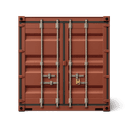
Cargo Coverage
May pay for damage to or theft of the freight you are hauling while it is in your care.
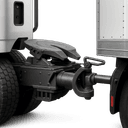
Trailer Interchange
Can help cover damage to trailers you haul under an interchange agreement but do not own.

Bobtail Coverage
May provide liability protection when you drive your tractor without a trailer attached, such as after dropping off a load.

Non-Trucking Liability
Can help cover accidents that happen when you use your truck for personal errands rather than dispatched work.
Commercial Truck Insurance Cost in Columbus
Average Cost in Ohio
$340 - $850
per month
Businesses in Ohio typically see commercial truck insurance premiums of $340 - $850 per month, which tends to run 22% below the national range of $400 - $1,125 per month.
- Radius of operation
- Commodities hauled and cargo value
- Number and value of power units
- Driver motor vehicle records and CDL experience
- DOT safety record, inspections, and FMCSA scores
- Liability limits and physical damage deductibles
Contact CPK Insurance for a personalized quote.
Prices shown are general estimates, not guaranteed rates or quotes. Your actual premium will depend on the insurer, coverage selected, business details, location, claims history, and other underwriting factors. Learn about our pricing methodology.
Ohio's competitive market can create meaningful differences between quotes for the same operation.
Several Ohio-specific factors can move pricing up or down. The state has a moderate overall risk profile, but weather events can create loss potential. Carriers think carefully about route and garage exposure when assessing risk. Dense traffic conditions can feed into liability and physical damage pricing. The state also has uninsured drivers on the road, which raises the odds of an accident where the other party cannot pay.
Your quote will also reflect claims history, coverage limits, deductibles, endorsements, and the type of freight you haul. Carriers will usually want unit details, VINs, garaging locations, driver records, and hauling radius before quoting.
Industries & Insurance Needs in Columbus
Franklin County's business mix changes what many truck operators here are asked to do. The county has 30,441 business establishments, and its largest establishment shares are health care and social assistance at 14%, professional, scientific, and technical services at 12.3%, and retail trade at 12%, so a lot of local trucking work centers on time sensitive deliveries, service calls, and recurring vendor relationships rather than only long haul freight. That usually means more certificate requests, tighter delivery windows, and more stops where backing, loading, and unloading exposures matter. If your book includes medical supply runs, retail replenishment, or scheduled service routes, ask for liability, cargo, and physical damage terms to be reviewed against the contracts you actually sign. It is also worth checking hired and non-owned auto exposure if dispatchers, sales staff, or technicians sometimes use personal vehicles for business errands tied to your trucking operation.
What Makes Columbus Different
Columbus has a high concentration of service-driven commercial demand, and that shapes how you should think about exposure. In a market anchored by health care, professional services, and retail activity, insurance decisions often turn on how often your vehicles enter customer-facing properties. They also depend on how quickly certificates must be issued and how much revenue depends on keeping a route running without interruption. Highway mileage alone does not capture that exposure.
A Columbus area operator may need to think harder about loading dock incidents and claims that start during unloading. One disabled unit can disrupt several scheduled stops in the same day. Build coverage around route structure and client expectations, not just truck type. If your accounts require additional insured status, waiver language, or fast proof of insurance before work starts, bring those documents into the quote process. That way endorsements and limits are reviewed before a job is delayed.
Our Recommendation for Columbus
Begin with the contracts and dispatch pattern you have today, because last year's routes may no longer reflect where your revenue comes from. If most revenue comes from repeat local accounts, ask your agent to review liability limits, cargo terms, and physical damage deductibles against the cost of missing a route for several days. If a lender holds title to any unit, confirm the loss payee information is correct before certificates go out.
For fleets with mixed use, separate which trucks stay on fixed delivery loops and which take broader regional runs. Garaging, radius, and driver assignment can affect how underwriters view the account. When you have current vehicle schedules, VINs, driver lists, and loss runs ready, the quote reflects the operation accurately. If customers regularly request proof of coverage on short notice, test certificate turnaround before renewal. Ask whether any requested wording needs endorsement review rather than a simple certificate issue.
Get Commercial Truck Insurance in Columbus
Enter your ZIP code to compare commercial truck insurance rates from carriers in Columbus, OH.
Business insurance starting at $25/mo
FAQ
Frequently Asked Questions
A local review focuses on route density, customer sites, and downtime tolerance rather than statewide mileage averages. With local median household income at $65,327, many operators would need to tap reserves to cover even a single unpaid week. Deductibles and replacement planning deserve close attention as a result.
Franklin County has 30,441 business establishments, so your drivers are likely pulling into a new customer's lot every few miles. Many of those landlords, vendors, clinics, and retailers want proof of coverage before work starts. Bring contract insurance requirements into the quote process early.
Franklin County's largest establishment shares are health care and social assistance at 14%, professional services at 12.3%, and retail trade at 12%. Together those sectors account for roughly one in three local businesses, and each runs on scheduled deliveries with tight appointment windows. You will likely face more certificate and unloading-related insurance questions.
Choose a deductible your cash flow can absorb without sidelining the truck. If one loss would delay repairs, rentals, or contract performance, a lower deductible may be worth reviewing even if premium rises. A deductible that forces your truck off the road costs more than it saves.
Ohio handles insurer oversight through the Ohio Department of Insurance. If you need to verify licensing, understand a complaint process, or confirm a regulatory contact point, start there. Organized policy and claim documents can speed up any official inquiry.
In Ohio, it can be structured around motor carrier liability, physical damage, cargo coverage, trailer interchange, bobtail coverage, and non-trucking liability insurance, depending on how you haul and where you operate.
Ohio commercial auto minimums are listed at $25,000/$50,000/$25,000, but interstate freight may also need FMCSA-aligned liability limits, and coverage needs can vary by industry and business size.
Your actual price depends on limits, deductibles, claims history, location, endorsements, and what you haul.
Sources
- 1.U.S. Census Bureau, ACS 5-Year Estimates, table B19013(Columbus median household income is $65,327.)
- 2.U.S. Census Bureau, County Business Patterns, Franklin County(Franklin County has 30,441 business establishments.; Franklin County's leading business sectors by establishment share are health care and social assistance 14%, professional, scientific, and technical services 12.3%, and retail trade 12%.)
- 3.Ohio Department of Insurance(Ohio's insurance regulator is the Ohio Department of Insurance.)
Updated July 16, 2026





