







































Updated July 5, 2026

On-Hook Towing Insurance in Columbus
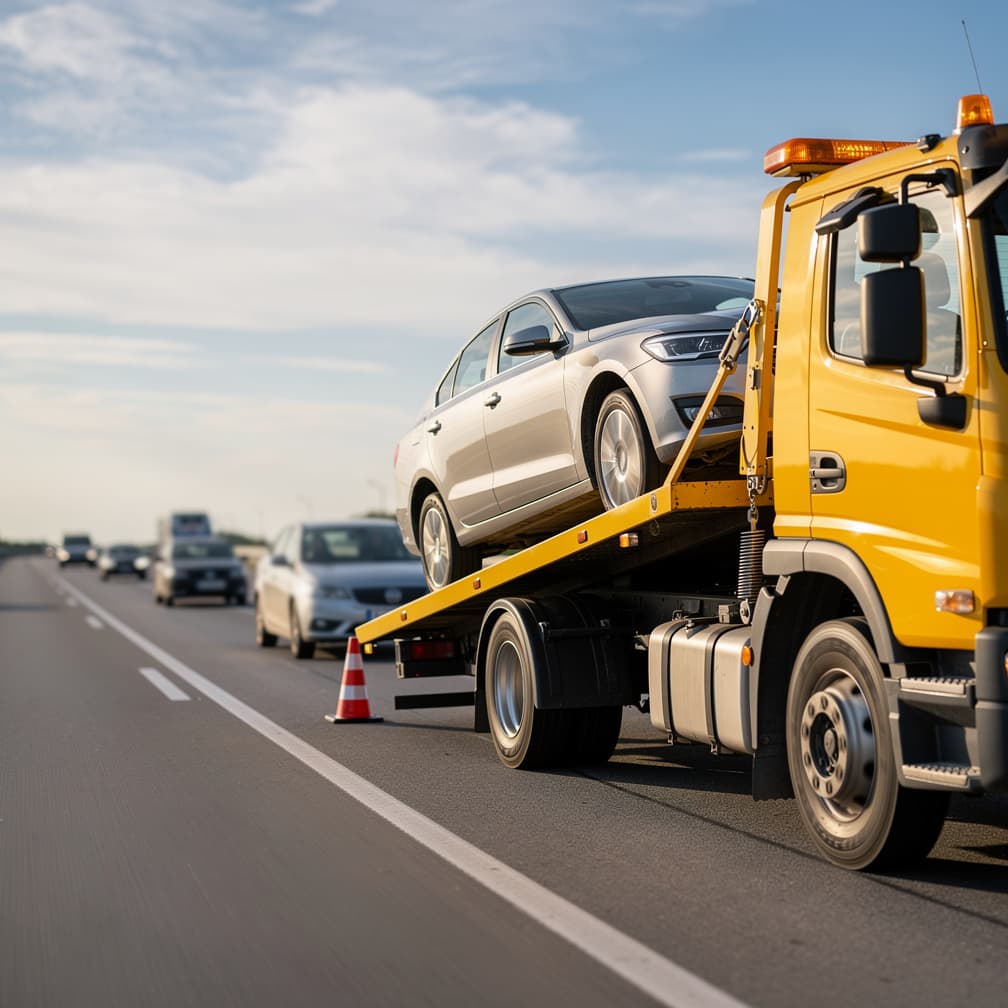
Columbus operating costs shape how you set on-hook limits and deductibles, because the vehicles you move often belong to households with a median income of $65,327, and repair expectations usually follow the value and condition of those cars. If you are shopping for on-hook towing insurance in Columbus, that matters most when your work includes dealer transfers, shop-to-shop moves, apartment complex tows, or roadside recoveries where a minor loading mistake can turn into a larger customer-vehicle claim. Here, you are often handling late-model daily drivers for commuters, families, and office workers moving between dense commercial corridors and residential neighborhoods in the same day. That makes it worth reviewing whether your deductible fits your cash flow, and whether your per-vehicle limit matches the kinds of units you actually hook, winch, and transport. A lower premium can look attractive until one damaged SUV or pickup leaves you funding too much of the loss out of pocket. Before you bind coverage, line up your dispatch mix, typical vehicle values, storage arrangements, and handoff procedures so the quote matches real operations.
On-Hook Towing Insurance Risk Factors in Columbus
Columbus towing losses often come down to transition points, not just road time. The local assignment mix can include apartment and retail property removals, dealer and repair-facility transfers, and short urban hauls with frequent loading, unloading, backing, and tight-lot maneuvering. Those are the moments when mirrors, bumpers, undercarriages, wheels, and driveline components are most likely to be damaged. State-level hazard patterns in Ohio also support a practical review of how weather changes your handling procedures, especially for winching, securing, and documenting vehicle condition before transport. The city difference is not that weather exists, it is that many jobs here are short, frequent, and concentrated around busy commercial properties, where a rushed hookup or incomplete photo record can create a harder claim dispute. Ask for a quote built around your actual unit types, whether you use wheel-lifts or flatbeds more often, and how often your drivers work private property, dealer, or shop-transfer assignments.
Ohio has a moderate climate risk rating. Top hazards: Severe Storm (High), Tornado (High), Flooding (Moderate), Winter Storm (Moderate). The state's expected annual loss from natural hazards is $1.4B, which influences on-hook towing insurance premiums and may affect coverage availability in high-risk areas.
What On-Hook Towing Insurance Covers
In Ohio, the useful question is not the basic definition of on-hook coverage. It is where your operation creates the most realistic claim scenario once a vehicle is in your care during the tow. For many towers, that exposure begins with loading and unloading on uneven pavement, narrow residential streets, parking decks, gravel lots, and crowded commercial properties. If a vehicle has low ground clearance, prior body damage, modified suspension, or limited rolling ability, the way your drivers document condition and choose equipment matters as much as the limit itself.
You should review how your policy terms respond to the kinds of vehicles and assignments you actually accept. A flatbed handling dealer or auction moves may need a different conversation than a wheel-lift unit taking disabled vehicles from apartment complexes, accident scenes, or private lots. If your drivers regularly winch vehicles out of ditches, mud, snow, or tight spaces, ask where the line sits between ordinary towing activity and higher-hazard recovery work. That means jobs involving steep embankments, water, heavy extrication, or unstable ground where the risk of vehicle damage or personal injury rises sharply. Crossing that line can affect whether a loss is treated as contemplated operations, meaning work the insurer understood you would be doing when the policy was issued.
Ohio weather and road conditions can also change the exposure during the same route. Rain, snow, ice, and debris increase the chance of shifting, scraping, or contact during loading and transport, especially when a vehicle already arrives damaged or inoperable. Review whether your procedures require photos before hookup, written condition notes, signed releases when available, and clear destination instructions. Those details help you match coverage to the work and defend the file if a customer later disputes when the damage happened.
Coverage Included

Collision on Hook
Covers damage to towed vehicles from collisions during transport.

Comprehensive on Hook
Covers theft, fire, and weather damage to vehicles being towed.
Loading & Unloading
Covers damage during the process of loading and unloading vehicles.
Winching Coverage
Covers damage to vehicles during winching and recovery operations.

Multiple Vehicle
Covers all vehicles on multi-car carriers and rollback flatbeds.
Industries & Insurance Needs in Columbus
Franklin County has 30,441 business establishments, and its largest establishment shares are health care and social assistance at 14%, professional, scientific, and technical services at 12.3%, and retail trade at 12%. For a towing operator, that matters because a large local base of offices, clinics, stores, and service businesses can translate into more parking management, vendor access, customer-vehicle movement, and time-sensitive relocations around commercial properties. Those assignments tend to create documentation-heavy handoffs: who authorized the tow, where the vehicle was picked up, what condition it was in, and when custody changed. They can also increase the number of short moves where loading damage matters more than highway exposure. If your book includes property managers, medical campuses, retailers, or service businesses, ask the insurer to rate the operation around that dispatch mix instead of treating every job like a long-distance recovery. That usually leads to a more useful conversation about limits, deductibles, and claim controls.
What Makes Columbus Different
Commercial density is the main thing that changes the buying decision here. In a market tied to a large county business base, many towing claims are shaped by where custody begins and ends: crowded lots, service entrances, apartment complexes, dealer lanes, repair facilities, and retail properties where space is tight and authorizations need to be clear. That pushes on-hook coverage from a simple box to check into a limit-and-procedure decision. You need enough per-vehicle protection for the kinds of cars, SUVs, and pickups you actually move, but you also need claim discipline that fits frequent short-haul work. A local operator with mostly commercial-property and transfer assignments may face more exposure from loading angles, key handling, and condition disputes than from long road miles. That is why the best review starts with your dispatch pattern, not a generic towing class code. Separate police, private property, dealer, repair-shop, and roadside work, then match limits and deductibles to the assignments that create the largest customer-vehicle severity.
Our Recommendation for Columbus
Start your review with a simple loss map. List the jobs you do most often, where the vehicle is picked up, who signs it over, how photos are taken, and whether the unit is usually loaded by wheel-lift or flatbed. In Columbus, that exercise often shows that the biggest exposure sits in short commercial moves and handoff disputes, not just in miles traveled. If you tow for dealers or repair shops, ask whether your per-vehicle limit still makes sense for newer inventory and customer vehicles now moving through your schedule. If you handle apartment or retail removals, review how drivers document pre-existing damage before hookup and after drop-off. Keep deductibles at a level your business can absorb without delaying repairs or straining payroll. If your operation mixes roadside calls with transfer work, ask for the quote to reflect that split instead of blending everything into one vague description. A cleaner submission usually produces a more accurate offer and fewer surprises after a claim.
Get On-Hook Towing Insurance in Columbus
Enter your ZIP code to compare on-hook towing insurance rates from carriers in Columbus, OH.
Business insurance starting at $25/mo
FAQ
Frequently Asked Questions
Columbus operators should compare their per-vehicle limit against the kinds of cars, SUVs, and pickups they actually move. With a local median household income of $65,327, many customer vehicles may justify higher repair expectations, so review limits and deductibles together.
Franklin County has 30,441 business establishments, so many towers handle commercial-property, dealer, retail, and service-related moves. That assignment mix can increase loading, unloading, and custody-transfer exposure, which is why your quote should reflect where jobs start and end.
Columbus private property and retail operators should show dispatch records, tow authorizations, driver procedures, photo documentation steps, and the share of jobs done by flatbed versus wheel-lift. That helps the insurer evaluate claim controls around the handoff points where disputes often start.
Columbus short transfers are not automatically lower risk. Many losses happen during hookup, winching, backing, and unloading, so a short route can still produce a meaningful claim if your procedures, photos, or vehicle-condition notes are inconsistent.
Columbus buyers comparing policies can use the Ohio Department of Insurance as the state's insurance regulator when they need carrier or policy information. For the quote itself, focus first on your dispatch mix, vehicle types, and documentation controls.
Both settings carry the same core risk: once a vehicle is loaded and moving, any scratch or dent can come back to your business. Dealer transfers often involve newer cars where even minor damage draws scrutiny. Private impounds frequently involve vehicles that already have wear or prior issues, which makes pre-tow documentation especially important. Review your policy terms against each service type before taking on mixed dispatch work.
Snow, ice, rain, and poor loading surfaces can trigger more underwriting questions because those conditions raise the likelihood of shifting, scraping, or contact during hookup. Be ready to explain how your drivers handle weather-related calls, what equipment adjustments they make, and whether you decline certain jobs in bad conditions.
Provide a truck list, service breakdown, operating territory, driver information, and examples of your pickup and drop-off documentation. The more specific you are, the more accurately the quote can reflect your actual towing mix instead of a broad assumption about the whole fleet.
Sources
- 1.U.S. Census Bureau, ACS 5-Year Estimates, table B19013(The vehicles you move often belong to households with a median income of $65,327)
- 2.U.S. Census Bureau, County Business Patterns, Franklin County(Franklin County has 30,441 business establishments; Its largest establishment shares are health care and social assistance at 14%, professional, scientific, and technical services at 12.3%, and retail trade at 12%)
- 3.Ohio Department of Insurance(The Ohio Department of Insurance is the state's insurance regulator)
Updated July 5, 2026





