Updated July 5, 2026

Commercial Auto Insurance in Toledo
Lucas County supports 9,413 business establishments, so buyers, landlords, and contract partners often expect clean certificates, hired and non-owned auto details when needed, and vehicle schedules that match how work is actually done. For commercial auto insurance in Toledo, that matters because many local fleets are not long haul operations. They are service vans, delivery cars, catering vehicles, retail pickups, and employee-driven units moving between short stops, customer sites, and supplier runs across the county in the same day. That operating pattern changes what you should review. A policy built around occasional commuting can miss the way your drivers park at job sites, load tools or inventory, or switch between owned, leased, and personal vehicles used for business errands. If you are bidding work or adding drivers, ask for a quote that matches vehicle type, radius of operation, driver assignments, and whether employees ever use their own cars for company tasks. That is usually where local buyers find gaps before a claim, not after one.
Commercial Auto Insurance Risk Factors in Toledo
Toledo's top risk factors include Severe weather, Property crime, Flooding, and Vehicle accidents. Flooding can cause significant vehicle damage, make sure comprehensive coverage is included.
Ohio has a moderate climate risk rating. Top hazards: Severe Storm (High), Tornado (High), Flooding (Moderate), Winter Storm (Moderate). The state's expected annual loss from natural hazards is $1.4B, which influences commercial auto insurance premiums and may affect coverage availability in high-risk areas.
What Commercial Auto Insurance Covers
Commercial auto insurance in Ohio is built around business use, so the policy is meant to respond when a company car, van, truck, or specialty vehicle is being driven for work. The Ohio minimum liability requirement for commercial vehicles applies, and that baseline is important because it can help address bodily injury and property damage claims after a vehicle accident. Many Ohio businesses also add collision coverage for physical damage from crashes and comprehensive coverage for losses tied to severe weather, theft, or other non-collision events. That is especially relevant in a state that has faced tornado outbreaks, derecho events, river flooding, and winter storms in recent years.
Ohio's market also makes endorsements worth reviewing. Hired auto coverage can extend protection to vehicles your business rents, and non-owned auto coverage can help when employees use personal vehicles for errands, client visits, or deliveries. Medical payments and uninsured motorist protection matter here, and uninsured and underinsured motorist coverage may be required, so those details should be confirmed on the quote. Policy setup should line up with registration and business use from the start.
Coverage Included

Bodily Injury Liability
Covers injuries you cause to others in an accident

Property Damage Liability
Covers damage you cause to others' property
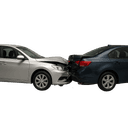
Collision Coverage
Pays for damage to your vehicle in an accident

Comprehensive Coverage
Covers theft, vandalism, weather, and animal damage

Medical Payments
Covers medical costs for your drivers and passengers

Uninsured Motorist
Protection when the other driver lacks insurance
Hired & Non-Owned Auto
Covers rented or employee-owned vehicles used for work
Commercial Auto Insurance Cost in Toledo
Average Cost in Ohio
$120 - $340
per month
Businesses in Ohio typically see commercial auto insurance premiums of $120 - $340 per month, which tends to run 16% below the national range of $140 - $410 per month.
- Fleet size and vehicle types
- Driver records and experience
- Coverage limits and deductibles
- Business industry and use
- Annual mileage and operating radius
- Claims history
Rates based on small business averages. Your actual premium may vary.
Prices shown are general estimates, not guaranteed rates or quotes. Your actual premium will depend on the insurer, coverage selected, business details, location, claims history, and other underwriting factors. Learn about our pricing methodology.
Ohio pricing for this coverage reflects vehicle type, mileage, driver records, and claims history. The average premium range is $120 to $340 per month, while the product average is about $140 to $410 per vehicle per month and roughly $1,200 to $2,400 annually per vehicle for many small businesses. Ohio's premium index is 92, which means premiums here run about 8% below the national average, so your baseline cost may be lower than in many other states. Your final cost still varies by fleet size, vehicle type, driver records, coverage limits, deductibles, industry, annual mileage, operating radius, and claims history.
Ohio recorded 298,000 crashes in 2023, with common causes including lane departure, speeding, reckless driving, weather conditions, and following too closely. The average claim cost was $21,038, which can exceed what many small businesses keep in reserve for a single incident. The uninsured driver rate was 12.4%, so liability and uninsured motorist decisions can affect both price and protection. Severe storm and tornado exposure also matters because weather-related damage can push up the value of comprehensive coverage for vehicles parked outdoors or used across multiple counties.
Business mix also influences pricing. Ohio's economy includes 286,400 businesses, 99.6% of which are small businesses, so most quotes are for lean operations with a handful of vehicles. A local service company with one company car in Columbus may see a different quote than a delivery fleet running long daily mileage through Cleveland, Toledo, or the I-71 corridor. If your vehicles are newer, your drivers are experienced, and your limits and deductibles are balanced, the quote may look different than for a higher-mileage fleet with more complex use.
Industries & Insurance Needs in Toledo
Lucas County's business mix helps explain which commercial auto questions come up most often here. Health care and social assistance account for 14.9% of establishments, retail trade 14.2%, and accommodation and food services 11.6%, so a large share of local vehicle use involves patient visits, store transfers, deliveries, catering runs, and manager trips between locations. Those are not identical exposures. A home health operation may need closer review of driver rosters and territory. A retailer may need limits that fit frequent loading, unloading, and parking at customer-facing locations. A restaurant group may need to separate company-owned vehicles from employee cars used for errands or deliveries. If your business fits one of these county-heavy sectors, ask for a quote built around trip frequency, cargo or equipment carried, after-hours use, and who is actually behind the wheel on a normal week.
What Makes Toledo Different
Short-route, multi-stop driving is the main thing that changes the buying calculus here. Many local businesses are not insuring vehicles that disappear onto interstate routes for days at a time. They are insuring units that start, stop, park, back up, unload, and re-enter traffic repeatedly through a normal workday. That pattern can create more decision points than mileage alone suggests. It also means the vehicle list on your policy needs to stay current as operations change. If one van becomes a spare, a manager starts using a personal SUV for bank deposits, or a leased pickup is added for seasonal work, your insurance review should catch it quickly. The practical question is not just how many vehicles you own. It is how each one is used, who drives it, what it carries, and whether any non-owned auto exposure has crept into the business. That is the part worth tightening before renewal.
Our Recommendation for Toledo
Start with a vehicle-by-vehicle review instead of asking for a generic fleet quote. List each unit's use, where it parks, typical cargo or equipment, expected driving radius, and every employee who may drive it. Then separate owned autos from leased, rented, and employee-owned vehicles used for work, because those categories can call for different policy treatment. If your operation makes frequent short stops, ask your agent to review physical damage deductibles, liability limits, and whether loading and unloading activity creates any adjacent coverage questions. If you are growing, update the policy as soon as vehicles or drivers change rather than waiting for the next renewal cycle. Local buyers also benefit from checking certificate requests from customers or landlords against the actual policy language before signing a contract. That step can prevent a last-minute scramble when a job is ready to start.
Get Commercial Auto Insurance in Toledo
Enter your ZIP code to compare commercial auto insurance rates from carriers in Toledo, OH.
Business insurance starting at $25/mo
FAQ
Frequently Asked Questions
Toledo businesses often do, because one vehicle can still create business-use liability that a personal policy may not be designed for. If that car handles deliveries, service calls, or client visits, ask for a business-use review before renewal.
Lucas County has 9,413 business establishments, so certificate requests and contract insurance requirements can surface early. Ask your quote to match actual vehicle use, listed drivers, and any hired or non-owned auto exposure before you bid or sign.
Lucas County's leading sectors include health care and social assistance at 14.9%, retail trade at 14.2%, and accommodation and food services at 11.6%. If you operate in those fields, review stop frequency, delivery activity, and who drives each vehicle.
Toledo employers should treat employee car use for deposits, pickups, deliveries, or site visits as a coverage review point. If staff use personal vehicles for business tasks, ask whether hired and non-owned auto should be considered.
Toledo small businesses should compare deductibles, liability limits, and vehicle schedules carefully instead of trimming coverage blindly. If cash flow is tight, ask for quote options that show what changes with each deductible or limit adjustment.
In Ohio, it can cover liability for bodily injury and property damage, collision damage, comprehensive losses tied to theft or weather, medical payments, and uninsured and underinsured motorist protection. It can also be expanded with hired auto and non-owned auto coverage when your business rents vehicles or employees use personal cars for work.
The average range is $120 to $340 per month per vehicle, while the product average for small businesses is about $140 to $410 per vehicle per month. Your quote can move up or down based on vehicle type, driver records, limits, deductibles, mileage, operating radius, and claims history.
Any Ohio business using a car, van, truck, or fleet for work should review it, including companies with delivery routes, client visits, or transported materials. Businesses that rely on employees' personal vehicles should also look at hired and non-owned auto coverage because personal policies may not fully respond to business use.
Sources
- 1.U.S. Census Bureau, County Business Patterns, Lucas County(Lucas County supports 9,413 business establishments.; Health care and social assistance account for 14.9% of establishments, retail trade 14.2%, and accommodation and food services 11.6% in Lucas County.)
Updated July 5, 2026