







































Updated July 16, 2026

Inland Marine Insurance in Toledo
Property managers, lenders, venue operators, and general contractors around Toledo often want proof that your mobile property is insured before they hand over keys, approve a draw, or let equipment onto a site. For many local businesses, this coverage is about showing a certificate that lines up with how tools, leased equipment, installation materials, or customer property actually move between a shop, a van, and temporary work locations. You are regularly dealing with counterparties who bring their own contract language, vendor onboarding, and insurance requirements before work starts. If you install, repair, deliver, stage, or temporarily store valuable property off premises, your quote should track what travels, where it sits between stops, who owns it, and how quickly you could replace it after a loss. Bring a current equipment list, your largest job values, and any lease or subcontract terms to the quote request so the policy can be reviewed against the way you operate here.
Inland Marine Insurance Risk Factors in Toledo
Toledo's top risk factors include Severe weather, Property crime, Flooding, and Vehicle accidents.
Ohio has a moderate climate risk rating. Top hazards: Severe Storm (High), Tornado (High), Flooding (Moderate), Winter Storm (Moderate). The state's expected annual loss from natural hazards is $1.4B, which influences inland marine insurance premiums and may affect coverage availability in high-risk areas.
What Inland Marine Insurance Covers
In Ohio, inland marine insurance is designed for business property that is mobile, installed offsite, or temporarily stored away from your main location. That can include tools and equipment, goods in transit, and mobile business property. The policy is meant to move with the property across job sites, customer locations, temporary storage areas, and transport routes statewide. Ohio does not set a special statewide mandate for this coverage, so the exact protection depends on the policy form, endorsements, limits, and deductible choices you select with the carrier.
Because Ohio is regulated by the Ohio Department of Insurance, policy language and underwriting can vary by insurer. Businesses should review what is covered while property is away from the scheduled premises. Standard coverage commonly addresses theft, damage, and vandalism for covered property in transit or at a temporary location, but exclusions and sublimits vary. A contractor's portable compressor, a plumber's inspection camera, or materials staged for an installation in a temporary storage unit may all be treated differently depending on how the policy is written. Builders risk is often used for materials and work in progress at a project site, while an installation floater is typically considered when materials are being installed at a customer location. Ohio businesses should confirm whether their policy is written for scheduled items, blanket coverage, or a mix of both. That affects how claims are measured when property moves across counties or is exposed to severe weather, theft, or damage during transport.
Coverage Included
Tools & Equipment
Can help repair or replace hand tools, power tools, and gear that are stolen or damaged on the job or in transit.

Goods in Transit
May cover products, materials, and merchandise while they are being shipped or hauled between locations in your care.
Contractors Equipment
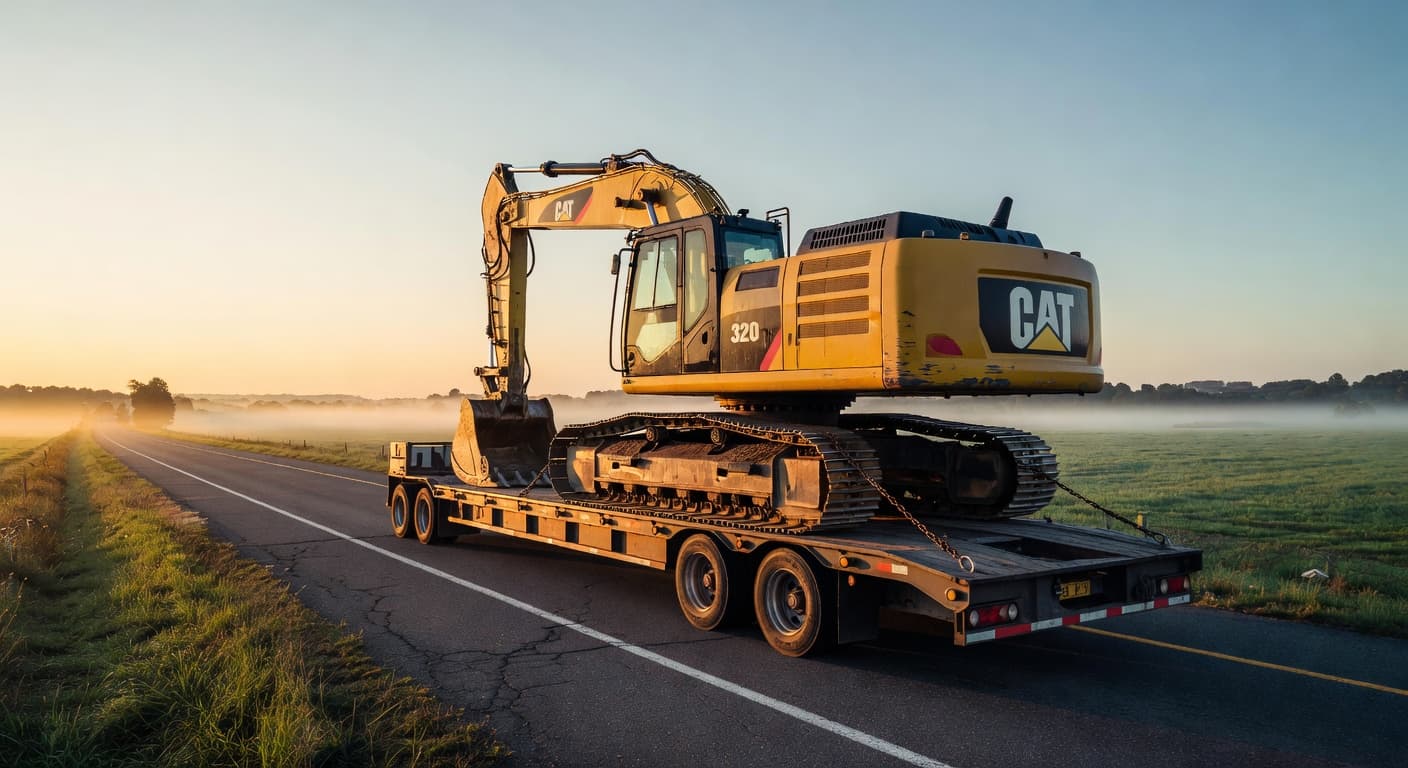
Typically covers heavy machinery like excavators, loaders, and generators against theft or damage at job sites and between them.

Installation Floater
Can help cover materials and fixtures from the moment you buy them until they are installed and accepted at a project.

Builders Risk
May cover a structure under construction, along with materials on site, against damage from fire, wind, theft, and vandalism.
Inland Marine Insurance Cost in Toledo
Average Cost in Ohio
$20 - $85
per month
Businesses in Ohio typically see inland marine insurance premiums of $20 - $85 per month, which tends to run 12% below the national range of $20 - $100 per month.
- Total insured value of the scheduled property
- Type and age of the equipment
- Where it is stored and how far it travels
- Jobsite security and theft prevention
- Per-item limits and deductibles
- Prior theft and in-transit losses
Contact CPK Insurance for a personalized quote.
Prices shown are general estimates, not guaranteed rates or quotes. Your actual premium will depend on the insurer, coverage selected, business details, location, claims history, and other underwriting factors. Learn about our pricing methodology.
The average premium range for inland marine insurance in Ohio varies based on the property being insured and the coverage structure. That spread reflects differences in limits, deductibles, endorsements, class of business, and how much mobile property is being insured. Ohio's competitive market may give you room to compare multiple quote paths.
Several Ohio factors can move pricing up or down. Coverage for high-value tools and equipment that travel frequently between job sites can cost more than a policy for light portable property. Businesses operating in areas exposed to severe storms, tornadoes, winter storms, or flooding may see higher rates because those hazards are material in the state's risk profile. Your claims history, coverage limits, deductible choices, location, and industry risk all factor into the final price. Ohio's crime data also plays a role in mobile property planning. Property crime remains a practical concern, and carriers may give underwriting attention to stored equipment and materials in areas with higher incident rates.
For a business in a lower-risk class with modest limits, the monthly cost may sit near the lower end of the Ohio range. For a contractor insuring expensive equipment, materials in transit, and installation exposures across multiple counties, the cost can move toward the higher end. The best way to understand your quote is to request pricing based on your actual equipment list, route patterns, storage practices, and project schedule.
Industries & Insurance Needs in Toledo
Lucas County's business mix changes the inland marine conversation because the leading establishment shares are health care and social assistance at 14.9%, retail trade at 14.2%, and accommodation and food services at 11.6%. That mix means a lot of local vendors and contractors handle property that is portable, time-sensitive, or owned by someone else, such as diagnostic devices, point-of-sale hardware, refrigeration service tools, event equipment, or installation materials moving between locations. If your work supports clinics, stores, restaurants, or hospitality spaces, you may be asked to show coverage not just for your own gear but for property in transit, at a temporary site, or in your care. Review who owns the property, where handoffs happen, and whether contract terms push responsibility onto you before you assume a limit that is too low for a single delivery, service call, or build-out.
What Makes Toledo Different
Contract-driven proof of coverage tends to drive the urgency here. Inland marine often becomes pressing when a landlord, lender, venue, or project partner asks for evidence that mobile property is insured before access or payment moves forward. If you rely on a few high-value items to keep jobs moving, ask for a quote built around your peak values at any one vehicle, job site, or temporary location, rather than a generic limit that only looks adequate on paper.
Our Recommendation for Toledo
Build the property schedule before you think about premium, because the tools, equipment, materials, and customer items leaving your main location each carry different replacement costs and risk profiles. Note the highest total value you carry in one vehicle or leave at one temporary site. If you work under contracts, pull the insurance clauses before you request terms, because the wording around leased equipment, installation materials, or property of others can change what should be reviewed. Ask whether your operations create short periods of concentrated value, such as a delivery day, a tenant improvement project, or a multi-stop service route. If they do, your limit should be tested against that peak, not your average day. Check whether certificates need to be issued quickly for property managers or general contractors, since administrative delays can hold up access even when the coverage itself is acceptable. Sending schedules, contracts, and job details together helps a free quote reflect your actual exposure.
Get Inland Marine Insurance in Toledo
Enter your ZIP code to compare inland marine insurance rates from carriers in Toledo, OH.
Business insurance starting at $25/mo
FAQ
Frequently Asked Questions
Property managers, lenders, venues, and contractors around Toledo commonly ask for proof before site access, funding, or vendor approval. With roughly 9,400 business establishments in Lucas County, you are likely to encounter formal onboarding and contract requirements as standard practice rather than an occasional hurdle.
Contractors usually want the limit to reflect the highest value that travels or sits at one temporary location at a time. That approach is more useful than insuring every item equally if your exposure concentrates in one truck or one active project.
Lucas County's leading sectors include health care and social assistance, retail trade, and accommodation and food services, which means many local vendors routinely move portable medical devices, retail fixtures, or catering equipment between locations. That pattern creates exposure that a standard property policy may not address.
Businesses here often need limits that reflect replacement cost and contract obligations, not just a basic certificate. Replacing major equipment out of pocket after a loss can strain cash flow enough to interrupt payroll or delay a job, which is why matching your limit to real replacement costs matters before you sign.
In Ohio, it may help cover tools, equipment, materials, and goods that move between job sites, customer locations, and temporary storage. The policy is meant to follow the property during transport and while it is away from your fixed premises, but the exact covered items depend on the carrier form and any endorsements.
It may help cover mobile property while it is away from your main business address, including at job sites, offsite storage, or customer locations, if the policy is written that way. Ohio businesses should confirm whether the carrier treats temporary storage, installation sites, and overnight vehicle storage differently.
Contractors, electricians, plumbers, landscapers, builders, installers, and other businesses that move property regularly are common buyers in Ohio. It can also fit manufacturers, retailers, and service businesses that ship goods or store valuable portable property offsite.
Ohio's severe storm and tornado exposure, along with the value and mobility of your equipment, can influence the quote you receive. Your claims history, coverage limits, and deductible choices also play a role.
Sources
- 1.U.S. Census Bureau, County Business Patterns, Lucas County(Lucas County has 9,413 business establishments, so you are often dealing with counterparties that have their own contract language, vendor onboarding, and insurance requirements before work starts.; Lucas County's leading establishment shares are health care and social assistance at 14.9%, retail trade at 14.2%, and accommodation and food services at 11.6%, so many local vendors and contractors handle portable, time-sensitive, or third-party property.)
- 2.U.S. Census Bureau, ACS 5-Year Estimates, table B19013(Toledo's median household income is $47,532, so many small businesses cannot easily absorb the cost of replacing stolen tools, damaged equipment, or customer property out of operating cash while a job is already underway.)
Updated July 16, 2026





