







































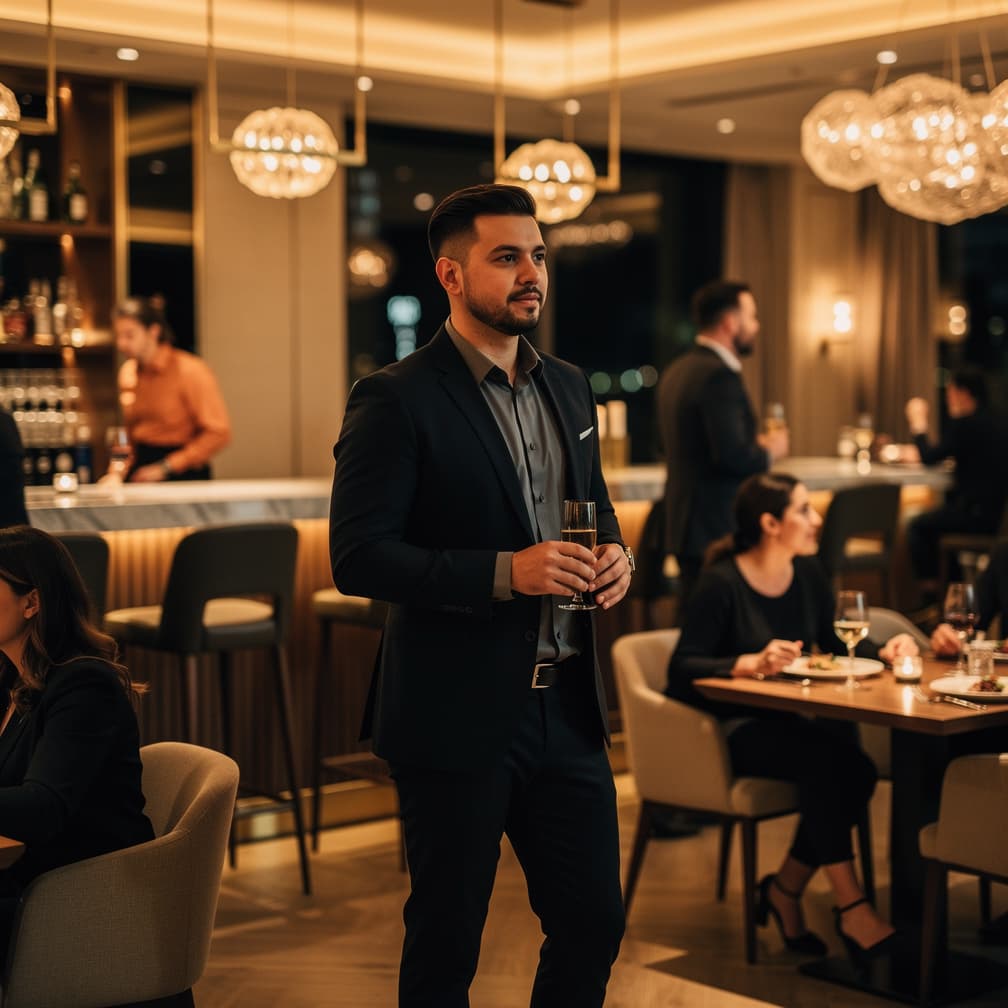

As a nightclub in Broken Arrow, the hardest claim to see coming starts after the guest leaves, when an intoxication allegation ties a crash on the road back to your bar. Nothing happened in your building. Your staff did nothing anyone photographed. The argument is entirely about what was poured, to whom, and how obvious it should have been, and it gets litigated years later from records you either kept or did not. Liquor Liability is the line built for that fight, and its limit is what a plaintiff's lawyer reads before anything else. Nightclub insurance in Broken Arrow without that line is a package with a hole where the main exposure lives. Price the alcohol piece first, since the rest of the package tends to follow it, and forms filed in Oklahoma draft the definition of who was served differently.
What Makes Broken Arrow Different
Deductibles are where a storm actually costs you, and owners read them last or never. Wind deductibles are often written as a percentage of building value rather than a flat figure. A percentage on a large building is a number with commas, applied before anything gets paid. The cheap property quote is usually cheap for that reason and for no other reason. Flood damage sits outside a standard property policy, and it gets priced as its own decision. A venue in Broken Arrow can ask how its deductible is calculated before a storm answers instead. Carriers writing in Oklahoma differ on every part of this, so similar prices hide different documents. Read the deductible page first, since that is where the real cost of weather lives.
Local Risk Factors in Broken Arrow
Tornado damage is sudden and total along a narrow line, and a nightclub is mostly one large open room with a roof over it. If that roof lifts in Broken Arrow, the rig, the bar stock, and the sound system go with it. Rebuilding to current code can run past rebuilding what was there, and debris removal is its own line item before the first stud goes up. Commercial Property may respond to the structural loss and the contents you scheduled inside, subject to your deductible. Whether ordinance and code costs sit inside that number is a separate question with a separate price. Ask a carrier in Oklahoma how ordinance coverage is written on your form.
What Coverage Does a Nightclub in Broken Arrow Need?
Liquor Liability
Alcohol is what separates a nightclub from any other room with a stage. Liquor Liability is generally written for claims alleging a venue served someone who then hurt themselves or somebody else, including a crash hours after last call. Landlords and promoters often demand proof of it by name. It does nothing for your own property, and assault and battery may be sublimited or excluded, so the endorsement pages matter more than the coverage name.
Example: A guest leaves a Broken Arrow club after a long night and is hurt in a crash on the way home; the venue gets named in the suit, and whether Liquor Liability answers may turn on what the service records show.
General Liability
If a promoter or a landlord wants to be named on something before the doors open, this is usually the policy they mean. General Liability is aimed at third-party harm: a guest who slips at the bar rail, a fall on a dark stair, damage to somebody else's property. It generally steps aside where alcohol is alleged to be the cause, and assault and battery treatment varies from form to form.
Example: A guest catches a heel on an unlit step and breaks a wrist. The medical bill is modest; the defense costs behind it are generally the part General Liability earns its premium on.
Commercial Property
Everything you own inside the building lives here: the bar, the sound rig, the lighting, the coolers, the stock. Commercial Property is generally written around named perils such as fire, theft, vandalism, and wind, and the limits come from a schedule you have to write yourself. Flood is typically excluded and priced separately. Business interruption usually attaches here too, turning on a covered physical loss rather than on an empty room.
Example: A fire in the back of house closes the room for two months. Commercial Property might answer for the rebuild, though it is the business interruption clause that decides whether rent gets paid meanwhile.
Workers Compensation
Bartenders, door staff, and cleanup crews get hurt, and Workers Compensation is the policy built for their medical costs and lost wages. It is rated per hundred dollars of payroll rather than charged flat, so headcount and job class drive the number directly. Requirements vary by state. It generally does nothing for a guest's injury, which belongs to the liability side of the package.
Example: A door supervisor separating two guests at a Broken Arrow club tears a shoulder and misses six weeks; the medical bills and a share of lost wages typically run through Workers Compensation rather than your own account.
Commercial Umbrella
Primary limits are a number somebody chose in advance, and a jury is under no obligation to respect it. A Commercial Umbrella sits above those limits for the claim that blows past them, which for a nightclub is usually a liquor claim with a serious injury behind it. It follows the underlying policies, so a gap below tends to stay a gap above.
Example: One bad night produces a liquor claim that settles above the primary limit. With no umbrella underneath that number, the difference is simply a bill the venue could end up paying itself.
How Much Does Nightclub Insurance Cost in Broken Arrow?
Nightclub Insurance is a bundle of separate policies, priced separately. The ranges below are typical figures for Broken Arrow for each line, except workers compensation, which is rated per $100 of payroll; a quote prices each one against your own operations.
| Coverage | Typical range | What moves your price |
|---|---|---|
| Liquor Liability Insurance | $340 - $1,525 per month | Share of sales that comes from alcohol, type of venue and how late you serve, server training and service procedures |
| General Liability Insurance | $340 - $1,375 per month | Industry and risk classification, annual revenue, number of employees |
| Commercial Property Insurance | $210 - $825 per month | Building value and construction type, roof age and condition, fire protection class |
| Workers Compensation Insurance | $0.75 - $2.74 per $100 of payroll | Employee classification codes, total annual payroll, experience modification rate |
| Commercial Umbrella Insurance | $270 - $1,325 per month | Umbrella limit requested, limits carried on the underlying policies, loss history on those underlying policies |
Prices shown are general estimates, not guaranteed rates or quotes. Your actual premium will depend on the insurer, coverage selected, business details, location, claims history, and other underwriting factors. Learn about our pricing methodology.
What Are the Insurance Requirements for a Nightclub in Broken Arrow?
Workers' comp is generally required once you have your first employee. Oklahoma generally requires employers to carry workers' compensation at that point. Common exemptions include sole proprietors, partners, and members of LLCs. Confirm current thresholds with your state's workers' compensation agency before you hire.
Where to verify licensing and coverage rules. The Oklahoma Insurance Department publishes consumer guidance and current insurance requirements for Oklahoma businesses. When a contract or lease demands specific wording, the Oklahoma Insurance Department's guidance is the authoritative place to check.
Get Your Nightclub Quote in Broken Arrow
Compare rates from multiple carriers. Free quotes, no obligation.
Operating in Broken Arrow
- Security contractors let policies lapse quietly, so ask for their renewal date and diary it, because you inherit the gap the night they cannot produce a certificate.
- Live acts arrive with riders demanding limits and additional insured status, and a Broken Arrow booking can die over a wording request that takes a carrier a week to answer.
- Power failures empty a room without touching it, and business interruption usually turns on physical damage, so a dark night can cost everything and trigger nothing; utility-service wording varies between forms filed in Oklahoma.
- Renting the room out for a private party turns a stranger into a certificate holder overnight, and their broker can ask a Broken Arrow venue for wording its policy does not carry.
How to Buy: Advice for Broken Arrow Owners
Additional insured is the phrase that costs money, and it usually gets agreed to before anyone prices it. When a promoter or a landlord asks to be named, a carrier is being asked to defend somebody else on your policy, and that request has terms. Primary and non-contributory wording goes further still, pushing your policy ahead of theirs in line. Both usually attach to General Liability, sometimes to Liquor Liability, which is where a nightclub's real severity sits. Before agreeing, ask what the endorsement costs and whether the carrier grants it at all for a venue in Broken Arrow. Check the Oklahoma Insurance Department's guidance before deciding what wording you are willing to accept. Then take the exact language to each participating carrier on CPK, so every quote you compare reflects promises you have actually made.
FAQ
Nightclub Insurance in Broken Arrow: FAQ
No, and that surprises owners every year. General Liability is aimed at third-party claims: a guest's injury, damage to someone else's property. Your own gear falls to Commercial Property, and only up to the schedule and limits you set. Borrowed or rented equipment may need specific wording, and forms filed in Oklahoma differ on how they treat it. A room that never itemized its rig can spend weeks arguing about value after a theft. Build the schedule while the gear is still in the building.
The carrier compares the payroll you estimated against what you actually paid, then bills or refunds the difference. Job classifications matter as much as totals, because a bartender and a door supervisor are not rated the same way. Contractors you paid without certificates can be reclassified as employees, which is where surprise bills come from. Keeping clean records by class is what avoids the worst audit surprises.
Carriers control that timing rather than a website, so treat any promise of a specific turnaround with suspicion. What you control is having the policy bound and the entity name correct before the request arrives. A certificate naming a trade name that does not match the named insured on a Broken Arrow lease gets rejected, and then the process starts over. Keep a master list of who needs certificates and when each one renews.
Usually yes on Commercial Property, and the trade is a real one: you pay less every month and more on the single night that goes wrong. Liability lines often work differently, with retentions that behave in ways worth reading closely rather than assuming. Model a realistic claim at each option before choosing, since the arithmetic is rarely close once you write it down. A venue with thin cash reserves may find the lower deductible is the honest answer.
Alcohol is alcohol as far as a claim goes, and an overserving allegation does not check the proof on the bottle. Liquor Liability is generally written for any venue that serves, sells, or furnishes drinks, so a beer-and-wine room can still face an intoxication suit. General Liability usually excludes that exposure outright, which is why the two lines exist separately. Ask a carrier to show you the liquor exclusion on the liability form before you assume you are fine.
Published ranges give you a floor, though a quote turns on details a range cannot see: closing time, capacity, alcohol as a share of sales, payroll by job class, and three years of loss history. A room with documented door procedures and clean loss runs reads better than one with an open file. Workers Compensation is rated on payroll rather than charged flat, so headcount moves it directly. Expect the liquor line to be the heaviest single piece.
Sources
- 1.Oklahoma Insurance Department(Oklahoma Insurance Department publishes consumer guidance for insurance buyers.)


