







































Updated July 16, 2026

Candle Store Insurance in Oklahoma
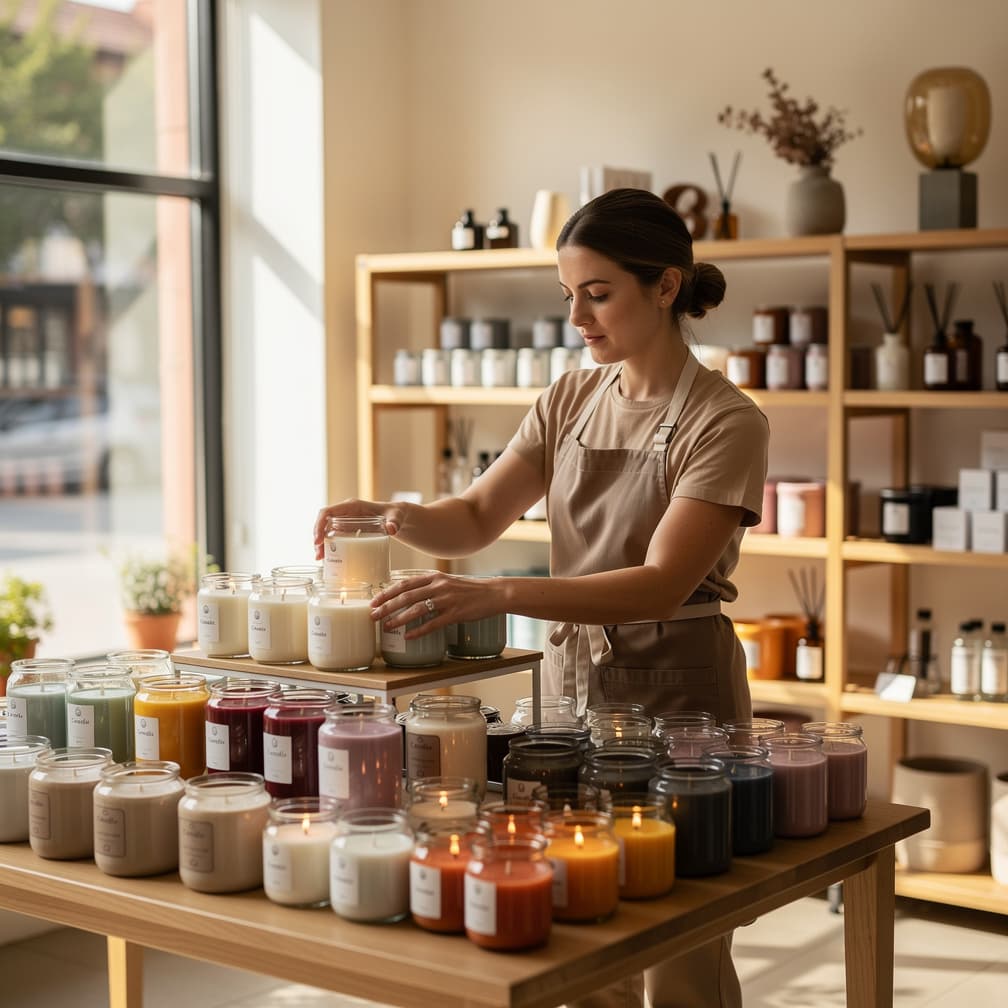
Running a candle shop in Oklahoma means your property values matter, because your premium often moves with how much wax, fragrance oil, packaging, and display equipment sits inside one location. An underwriter sees a real difference between a boutique with light backstock and wide aisles and a store that stacks cases in a rear room while rotating holiday collections quickly. Oklahoma weather raises the stakes further, since a single storm can ruin inventory and interrupt your busiest selling weeks. Shopping for coverage works better when the quote reflects your actual layout rather than a generic retail class.
If you hire staff, workers compensation insurance matters early. Oklahoma generally requires it once you have one employee, with limited exemptions for certain business owners. Before you compare quotes, map your sales floor, stockroom, offsite storage, and staffing setup so the policy review matches how your store actually runs.
Climate Risk Profile
Natural Disaster Risk in Oklahoma
Understanding climate-related risks helps determine appropriate insurance coverage levels.
Tornado
Very High
Hailstorm
Very High
Severe Storm
Very High
Earthquake
Moderate
Expected Annual Loss from Natural Hazards
$2.4B
estimated economic loss per year across Oklahoma
Source: FEMA National Risk Index
How Much Does Candle Store Insurance Cost in Oklahoma?
Candle Store Insurance is a bundle of separate policies, priced separately. The ranges below are typical figures for Oklahoma for each line, except workers compensation, which is rated per $100 of payroll; a quote prices each one against your own operations.
| Coverage | Typical range | What moves your price |
|---|---|---|
| General Liability Insurance | $40 - $130 per month | Industry and risk classification, annual revenue, number of employees |
| Commercial Property Insurance | $65 - $220 per month | Building value and construction type, roof age and condition, fire protection class |
| Workers Compensation Insurance | $0.75 - $2.74 per $100 of payroll | Employee classification codes, total annual payroll, experience modification rate |
| Business Owners Policy Insurance | $65 - $200 per month | Annual revenue and industry class, building and contents values, square footage and building age |
Prices shown are general estimates, not guaranteed rates or quotes. Your actual premium will depend on the insurer, coverage selected, business details, location, claims history, and other underwriting factors. Learn about our pricing methodology.
Common Claims for Candle Store Businesses in Oklahoma
A severe storm damages the roof over your retail unit and water reaches shelving and boxed inventory overnight, leaving you to sort ruined stock, damaged fixtures, and a temporary closure during a key seasonal push.
An employee carrying cases of jar candles from the stockroom slips while moving inventory around a crowded workspace, then needs medical care and time away from work while daily operations become harder to staff.
A power disruption or building issue could force you to close for several days after weather moves through, leaving unsold seasonal merchandise on hand and delaying restocking and normal customer traffic.
Operating a Candle Store Business in Oklahoma
- Seasonal selling cycles mean you bring in extra jars, melts, and gift sets all at once, concentrating stock value and raising property exposure inside the store.
- Oklahoma storms can bring roof leaks, broken glass, and temporary closures that hit during your busiest selling weeks.
- Tables, testers, and narrow customer paths affect your liability exposure, which means your layout itself needs to be part of the quoting conversation.
- A shop that pours, labels, or assembles products in the back room carries a different risk profile than one that only retails finished goods, especially around heat sources and employee tasks.
Get Your Candle Store Insurance Quote in Oklahoma
Compare rates from multiple carriers. Free quotes, no obligation.
Common Risks for Candle Store Businesses
- Customer injury from a slip and fall near candle displays, checkout lanes, or seasonal promotional tables
- Bodily injury or property damage claims tied to a candle or wax product after it leaves the store
- Fire risk from inventory, packaging, shelving, or storage areas in the sales floor or stockroom
- Building damage and inventory loss after a storm, vandalism, or other covered property event
- Equipment breakdown affecting point-of-sale systems, lighting, or display equipment used in the retail space
- Business interruption after a covered loss forces a temporary closure and interrupts sales
Coverage Considerations in Oklahoma
- Commercial property insurance matters when your store holds concentrated inventory value in wax, oils, jars, and display furniture that a single covered event could damage together.
- General liability insurance should be reviewed around your actual customer flow, including entrances, tester areas, checkout congestion, and any in-store demonstrations that change how shoppers interact with products.
- Workers compensation applies once you add staff for sales, stocking, or back-room production, because state law triggers coverage at one employee.
- A business owners policy can bundle property and liability in one review, which is worth considering when one location holds your retail floor, stockroom inventory, and core equipment.
Preparing for Your Candle Store Insurance Quote in Oklahoma
Prepare a current inventory estimate that separates candle stock, fragrance accessories, packaging supplies, shelving, and checkout equipment, so the property review reflects what is actually at risk inside the store.
List whether you only retail finished candles or also pour, label, repackage, or assemble products on site, since those operating details can change how the business is classified for quoting.
Gather your employee count and job duties before requesting a quote, as the state mandate kicks in at your first hire, with certain owner exemptions.
Note every place where business property is kept, including the sales floor, rear stockroom, and any separate storage area, and ask whether each location is contemplated in the quote review.
What Happens Without Proper Coverage?
A candle store can lose money in more than one direction at the same time. A customer can slip near the entrance during a rainy afternoon, a shelving unit can be damaged and take inventory with it, or a covered property loss can shut the doors during a key sales period. Insurance matters because retail claims rarely stay neatly in one lane. A single event can affect customers, stock, fixtures, payroll, and your ability to reopen quickly.
What makes this trade specific is how inventory behaves. Candle stock is dense, seasonal, and sensitive: heat, smoke, and moisture can ruin finished goods that look untouched, and a loss in late autumn can take the holiday season with it, because gift sets and seasonal collections cannot be reordered in time. Setting property limits against peak stock rather than an average month is the single most useful adjustment many owners can make.
The liability side rewards the same specificity. Testers, open fragrance displays, and tight seasonal resets put customers in close contact with breakable merchandise, and one dropped jar can put glass and wax on the floor of a busy aisle. Claims that start there are about your premises routine, so housekeeping practices and staffing during rushes belong in the underwriting conversation.
You may also need proof of coverage before a lease is finalized, a shopping center approves your tenancy, or an event organizer lets you sell at a temporary retail setup. Bring your lease terms, inventory estimates, payroll information, and store description to the quote review so coverage is built for your actual operation, not a rough guess.
Recommended Coverage for Candle Store Businesses
Based on the risks and requirements above, candle store businesses need these coverage types in Oklahoma:

General Liability
Essential coverage for every business, protect against third-party bodily injury, property damage, and advertising claims.

Commercial Property
Safeguard your business property, equipment, and inventory against damage and loss.

Workers Compensation
Help cover your employees' medical expenses and lost wages for work-related injuries and illnesses.

Business Owners Policy
Bundle property and liability coverage into one convenient, cost-effective policy for small businesses.
Candle Store Insurance by City in Oklahoma
Insurance needs and pricing for candle store businesses can vary across Oklahoma. Find coverage information for your city:
Insurance Tips for Candle Store Owners
Review inventory values at peak selling periods, because seasonal collections and gift sets can raise your stock exposure well above an average month.
Ask each quote to show how general liability insurance addresses customer injury claims tied to crowded aisles, floor displays, testers, and checkout congestion.
Compare commercial property terms for stockroom inventory, shelving, signage, and point of sale equipment, not just the visible merchandise on the sales floor.
If you operate from a mall kiosk or temporary retail setup, confirm how your policy treats limited storage, shared common areas, and landlord insurance requirements.
Describe employee duties accurately, including receiving shipments, ladder use, cleaning, and restocking, so workers compensation insurance matches the work actually performed.
If you move inventory between stores or keep overflow stock offsite, review each location and storage arrangement before binding coverage.
Read business interruption wording closely, because the real issue after a covered loss is often lost selling time, delayed reopening, and disrupted seasonal revenue.
Bring your lease, vendor requirements, and current equipment list to the quote process so liability limits and property values can be sized with fewer assumptions.
FAQ
Frequently Asked Questions About Candle Store Insurance in Oklahoma
Shops here often need a closer look at property values and storage practices because storm-driven building damage can hit inventory, shelving, and point of sale equipment at the same time. Ask for a quote that matches your stock concentration and where merchandise is kept.
You should disclose any back-room pouring, labeling, or repackaging because that is different from simple retail sales. The quote should reflect heat use, employee tasks, supplies on site, and how those operations share space with customer traffic.
The requirement typically applies once your business has one employee, although sole proprietors, partners, members of LLCs, and some agricultural workers may be exempt. If you are hiring even one store employee, confirm how your staffing setup is treated before binding coverage.
Shops often keep overflow stock in a rear room or separate storage area, and that should be discussed before you buy. A quote is more useful when it identifies each place where candles, packaging, and fixtures are stored.
The Oklahoma Insurance Department regulates insurance at the state level, which makes it a useful resource if you want to verify carrier or agent details while comparing policies.
General liability, commercial property, and workers compensation coverage are the usual core, often wrapped in a business owners policy. The right mix depends on your layout, employee duties, inventory levels, lease requirements, and whether you operate one location or several.
Browsing is exactly where the exposure comes from. Shoppers walk the sales floor, handle merchandise, and interact with displays and staff, and general liability is where third party injury and property damage claims from that traffic get addressed.
The property review should take in stock, shelving, signage, checkout equipment, and back-room supplies. Estimate peak inventory values, not just routine stock levels, before you compare limits and deductibles.
Sources
- 1.Oklahoma Insurance Department(Oklahoma generally requires workers compensation insurance when your business has 1 employee, although sole proprietors, partners, members of LLCs, and some agricultural workers may be exempt.; Oklahoma business insurance oversight runs through the Oklahoma Insurance Department.)
Updated July 16, 2026