Updated July 16, 2026

Key Takeaways
- Compare liquor liability quotes using the same limits and the same description of your alcohol operations, then read exclusions and defense wording before you choose a policy.
- Ask whether assault and battery is included, limited, or excluded, especially if you operate late hours, use security, host events, or manage crowded service areas.
- Document ID checks, server training, incident logs, and cut-off procedures so your application and your claim file both support how you actually operate.
- Review contracts from landlords, venues, and event partners early so you can match liquor liability limits and certificate requirements before binding coverage.
- Separate host liquor questions from true liquor liability needs if alcohol is only furnished occasionally and not part of your regular business revenue.
Liquor Liability Insurance in Oklahoma
Landlords, event venues, distributors, and some lenders often ask to see proof of liquor liability insurance before they hand over keys, approve a contract, or release funds for a build-out. In Oklahoma, they usually want a certificate that matches the named insured on the lease or license paperwork, shows effective dates with no gap, and carries limits that fit the alcohol sales you actually expect. If you are shopping for this coverage in Oklahoma, that proof step matters as much as the policy itself. A mismatch can delay an opening, a renewal, or a one-off event. Your quote should line up with how alcohol is sold on site. That might mean beer and wine only, full bar service, packaged sales, catered service, or a mixed operation with food, entertainment, and late hours. It also helps to review whether your lease shifts insurance obligations back to you, whether outside promoters need their own certificates, and whether your general liability program leaves any alcohol-related gap. When you request a quote, ask for specimen wording, confirm the insured names, and make sure the certificate holder language matches the contract you have to satisfy.
What Liquor Liability Insurance Covers
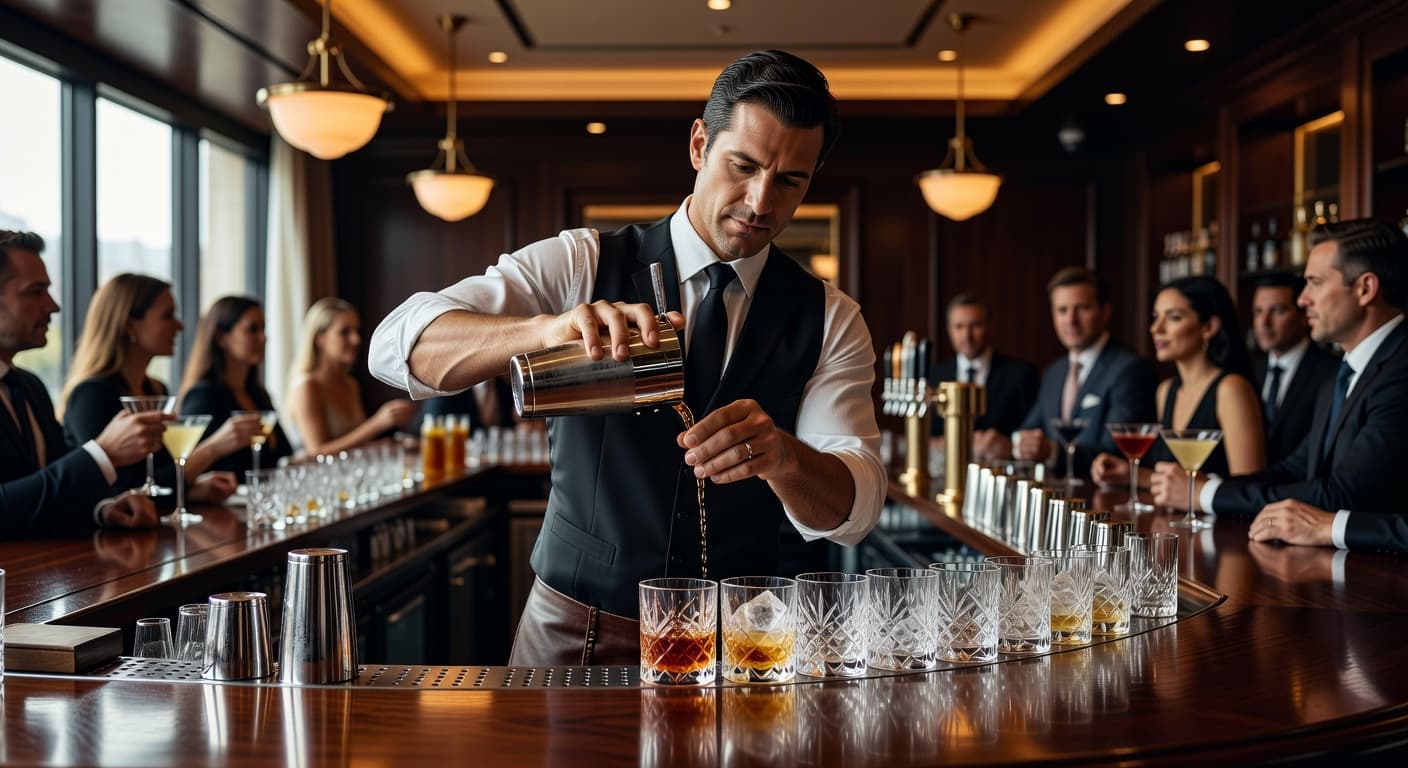
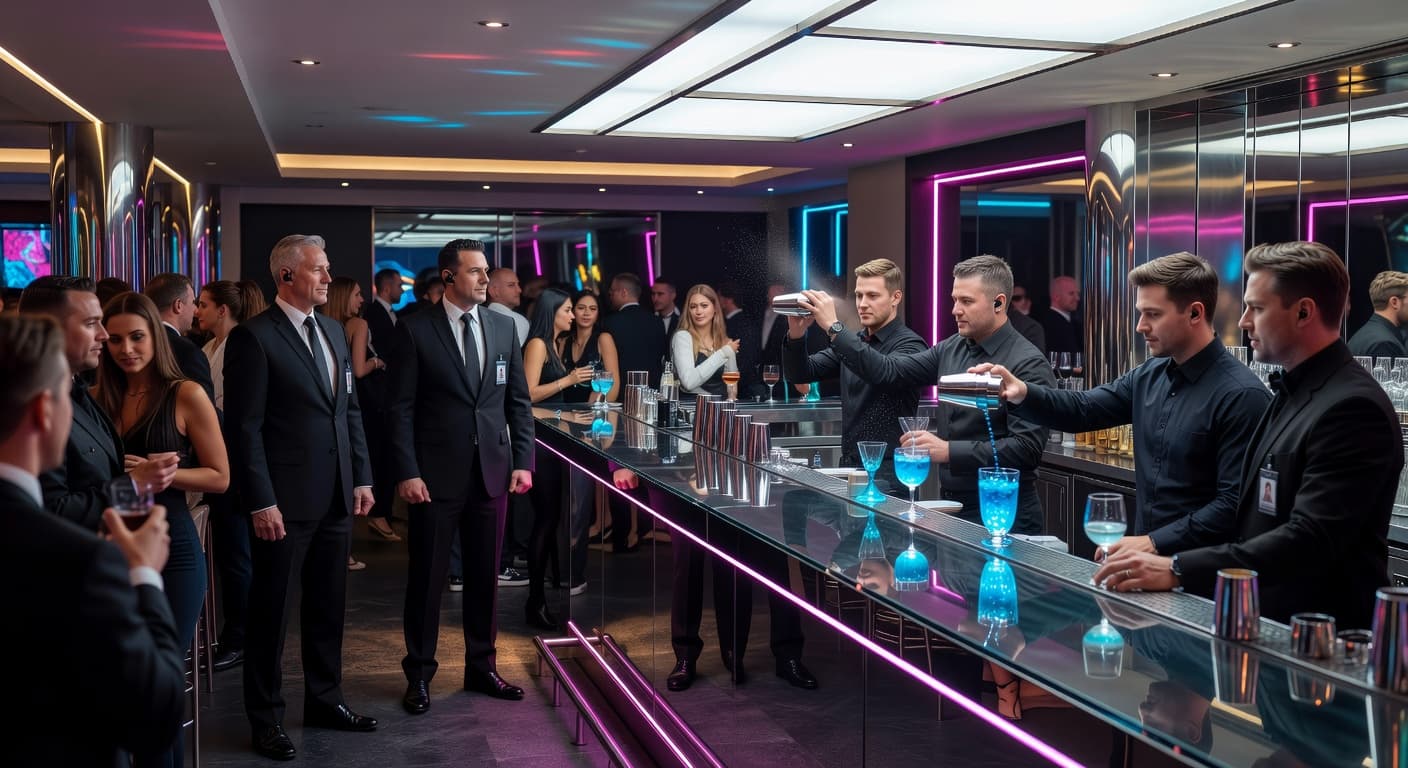
The practical coverage question is not the broad definition of the policy. It is where alcohol service touches the rest of your operation and where a claim may be pushed back onto your business. A bar with security at the door, a restaurant with table service, a wedding venue that allows outside bartenders, and a convenience store with packaged sales all create different handoff points. Those handoff points are where you should slow down and review exclusions, additional insured requests, and any separation between your liquor liability form and your general liability form.
Start with the service model. If your staff checks identification, pours drinks, closes tabs, and manages cutoffs, ask how the policy responds to allegations tied to overservice, service to a minor, or an incident that begins on premises and develops after a customer leaves. If you host private events, review whether the policy is written for your regular operations only or whether special events, off-site catering, temporary bars, and third-party promoters need to be scheduled or handled another way.
Then look at who is actually serving. Some venues require caterers or mobile bartenders to carry their own coverage, but the venue can still be named in a lawsuit. That is why certificate review matters. You want to know whether your contract requires primary and noncontributory wording, waiver language, or additional insured status, and whether the other party's policy can actually provide it. Finally, review defense handling and incident reporting. A policy may include defense costs, but the timing of notice, witness statements, surveillance retention, and point-of-sale records can affect how cleanly a claim is handled. Before buying, map out who reports an incident, where video is stored, how tabs are documented, and which manager has authority to preserve records the same day.
Bodily Injury Liability
Can help cover injuries an intoxicated patron causes to others after your business served or sold them alcohol.
Property Damage Liability
May pay for property damage caused by an intoxicated customer your establishment served, such as a car crash after leaving.
Assault & Battery
Can help cover claims arising from fights or physical altercations involving intoxicated patrons at your bar or restaurant.

Defense Costs
May pay for attorneys, court fees, and related legal expenses when your business is sued over an alcohol-related incident.

Host Liquor Liability
Can help cover alcohol-related claims from events where you host or serve drinks without selling them, like company parties.
Liquor Liability Insurance Requirements in Oklahoma
- If your lease requires additional insured status or specific certificate wording, confirm the policy may help satisfy that request before opening day.
- Businesses with mixed operations, such as restaurant service, private events, and occasional off-site catering, should ask for each alcohol exposure to be described in the submission.
- That detail helps underwriters price the account accurately and avoids a situation where a claim falls through a gap nobody flagged.
How Much Does Liquor Liability Insurance Cost in Oklahoma?
Average Cost in Oklahoma
$50 - $220
per month
Businesses in Oklahoma typically see liquor liability insurance premiums of $50 - $220 per month, which tends to run 7% below the national range of $50 - $240 per month.
- Share of sales that comes from alcohol
- Type of venue and how late you serve
- Server training and service procedures
- State dram shop law
- Liquor liability limits selected
- Prior over-service or assault claims
Contact CPK Insurance for a personalized quote.
For Oklahoma buyers, liquor liability pricing usually moves with operations, not with a single statewide average. Many businesses see premiums from $50 to $220 per month, depending on alcohol receipts, hours of service, prior claims, entertainment exposure, security procedures, and the limits you request. That means a quiet restaurant with beer and wine service can be rated very differently from a late-night bar, a package store, or a venue that mixes concerts, private events, and outside promoters. At the higher end, you are paying for the added exposure of late hours, crowds, and entertainment. Use that range to set a budget, then focus on finding a policy that satisfies your lease and certificate requirements within it. Underwriters usually want to understand how much of your revenue comes from alcohol, whether you have dance floors or live music, how often you run special events, and whether staff training is formal and documented. They may also ask about age-verification procedures, drink specials, security staffing, incident logs, and whether you use wristbands or other controls at large events.
If your business has multiple revenue streams, separate them clearly. A quote is easier to trust when food sales, cover charges, event income, and alcohol sales are broken out instead of blended together. Your location and premises setup also matter. Shared parking, limited lighting, crowding at closing time, and a history of police calls can change how an insurer views the account. So can the difference between on-premises consumption and packaged sales. If you are signing a lease, compare the insurance requirement in the lease against the quote before you bind. A lower premium does not help if the policy form or limit fails the landlord review. The cleanest way to shop is to send the same operating details to each market. Include your alcohol percentage, closing hours, security plan, event schedule, and any prior loss details. That gives you quotes you can compare on terms, exclusions, and certificate usability, not just on price.
Prices shown are general estimates, not guaranteed rates or quotes. Your actual premium will depend on the insurer, coverage selected, business details, location, claims history, and other underwriting factors. Learn about our pricing methodology.
Request a Quote Comparison
Enter your ZIP code to compare liquor liability insurance rates from top carriers.
Business insurance starting at $25/mo
Who Needs Liquor Liability Insurance?
The buyers who need to review this coverage most carefully are the ones whose alcohol exposure is easy to underestimate. Obvious examples include bars, taverns, restaurants, breweries, wineries, liquor stores, and event venues. Less obvious examples include wedding barns, music venues, golf facilities, casinos with food and beverage operations, country clubs, caterers, and businesses that host paid private events where alcohol service is part of the package. You should also look closely at your contracts. A venue that lets a third-party bartender serve alcohol may assume the bartender's policy solves the problem, but the venue can still be pulled into a claim because the incident happened on its premises or during its event. The same issue comes up with promoters, nonprofit fundraisers, and tenant events in mixed-use spaces. If your name appears on the event agreement, the lease, or the advertising, you may need your own policy review even when someone else is pouring.
Packaged sales create their own questions. Convenience stores, grocery operations with alcohol sales, and specialty retailers need to think about checkout procedures, age verification, staffing at busy times, and whether alcohol is a small sideline or a meaningful part of revenue. If another party asks for proof of coverage, treat that as a buying signal. Landlords want to see whether your limits satisfy the lease. Distributors may want evidence before extending terms or finalizing supply arrangements. Lenders and investors may ask for certificates before closing on a purchase or renovation. If any of those steps are on your timeline, start the quote process early enough to fix named insured issues, address endorsements, and avoid a last-minute scramble.
Liquor Liability Insurance by City in Oklahoma
Liquor Liability Insurance rates and coverage options can vary across Oklahoma. Select your city below for localized information:
How to Buy Liquor Liability Insurance
Buying this coverage in Oklahoma goes faster when you build the submission around the documents other parties will actually review. Start with your legal business name, any DBA, your premises address, and a short description of how alcohol is sold or served. Then gather the lease, event contracts, catering agreements, and any lender or venue insurance requirements. Those documents often reveal certificate wording, additional insured requests, and limit expectations that should be checked before the policy is bound. Next, prepare operating details the underwriter will ask for anyway. List your opening and closing hours, whether minors are ever allowed on premises, the share of revenue tied to alcohol, and whether you have security staff, scanners, wristbands, or written service policies. If you host live music, private parties, tastings, or off-site service, spell that out. If you have had prior incidents or claims, summarize what happened and what changed afterward.
Ask to review the quote package, not just the premium. Check the named insured, covered operations, exclusions, defense wording, and whether the policy may help satisfy the certificate requirements your landlord or venue manager expects. If your business has more than one location or more than one operating entity, confirm each one is handled correctly. A certificate cannot fix a policy that was issued to the wrong entity. If you are unsure which state office oversees insurance questions, the Oklahoma Insurance Department is the regulator to know, so keep policy documents and correspondence organized in one file. Before you pay, request the specimen certificate, verify effective dates, and confirm who will issue updated certificates when a landlord, distributor, or event host asks for them. Request a quote through CPK Insurance to compare your options with participating licensed providers.
How to Save on Liquor Liability Insurance
The safest way to lower your Oklahoma liquor liability cost is to make the account easier for an underwriter to understand and easier for a claims team to defend. Start by tightening your submission. Separate alcohol receipts from food and other revenue, describe your service model clearly, and disclose special events up front. Clean data can prevent a quote from being padded for uncertainty. Operational controls can also help your pricing conversation. Written age-verification procedures, documented staff training, incident logs, camera retention practices, and a clear cutoff policy show that management is not treating alcohol service casually. If you use security, explain when they are on site and what they do at entry, during service, and at closing. If you do not use security, explain what substitutes for it. Underwriters price ambiguity, so remove it where you can.
Review your contracts before renewal. Some Oklahoma businesses carry higher limits than a landlord or venue actually requires because no one compares the lease to the current policy. Others buy a policy that cannot satisfy additional insured or certificate requests, then pay to fix it midterm. Matching the policy to the contract can reduce waste and avoid endorsement charges later. You can also save by controlling event creep. If your restaurant occasionally hosts ticketed parties, late-night entertainment, or outside promoters, decide whether those activities are core operations or exceptions. A business that drifts into higher-hazard events without updating its insurance often pays more at renewal or faces tougher underwriting questions after a loss. Before you renew, ask for a line-by-line review of exposures that changed during the year, including alcohol percentage, hours, entertainment, security, and claims activity. The least expensive option can become the most expensive one if it fails a lease review or leaves an event uninsured.
Our Recommendation for Oklahoma
For Oklahoma buyers, the most useful approach is to treat liquor liability as a contract compliance purchase and a claims-handling purchase at the same time. First, line up the policy with the paperwork that controls your opening or event date. Review the lease, distributor agreement, and venue contract for named insured requirements, additional insured wording, and any limit language. If the certificate has to satisfy someone else before you can operate, solve that before you focus on premium. Second, underwrite your own operation honestly. Describe whether alcohol is incidental to food service, central to late-night traffic, or part of private events and off-site work. If your business changes character after a certain hour, say so. If outside bartenders, promoters, or caterers are involved, ask how their coverage and yours fit together.
Third, build a simple incident protocol before a claim happens. Decide who preserves video, who pulls point-of-sale records, who writes witness notes, and who reports the matter to the carrier. Fast, organized reporting can matter as much as the limit you buy.
FAQ
Frequently Asked Questions
Buyers should list the legal entity that actually operates the business, and they should match it to the lease or event agreement exactly. If a landlord or venue asks for a certificate, mismatched named insured details can delay approval and force a rewrite.
Wedding venues often cannot rely on a caterer's policy alone. If the claim names the venue because the incident happened on its premises or during its event, the venue may still need its own liquor liability review and certificate strategy.
Bar owners usually get better quotes by sending alcohol receipts, hours, entertainment details, security procedures, prior loss information, and lease requirements together. That gives underwriters a clearer picture of late-night exposure and reduces back-and-forth during review.
Package sales can change underwriting because checkout controls, age-verification procedures, staffing, and store traffic differ from table service or bar service. A retailer should describe how alcohol is sold, who checks identification, and when the busiest sales periods occur.
Businesses should gather the lease, event contracts, lender requirements, prior policy details, loss runs if available, and a summary of alcohol operations. Those documents help confirm limits, certificate wording, and whether endorsements are needed before binding.
Insurance questions are overseen by the Oklahoma Insurance Department. Keep your policy, endorsements, certificates, and correspondence organized so you can verify what was requested, what was issued, and whether the final documents match your contracts.
U.S. businesses that sell, serve, or distribute alcohol should review liquor liability insurance. That usually includes bars, restaurants, breweries, wineries, liquor stores, caterers, hotels, and event venues, especially when alcohol service is part of normal operations rather than an occasional event.
U.S. businesses in the alcohol trade should not assume general liability will handle alcohol-related claims. If alcohol is central to your operations, ask for a separate liquor liability review and compare exclusions, defense wording, and any host liquor language carefully.
Sources
- 1.Oklahoma Insurance Department(Oklahoma insurance questions are overseen by the Oklahoma Insurance Department.)
Updated July 16, 2026