Updated July 16, 2026

Dealer Open Lot Insurance in Norman
Space cost is the first practical issue you face here. With Norman median household income at $65,060, your buyers typically shop in a practical price range, which means your outdoor inventory likely skews toward mid-priced units rather than luxury stock. That matters for your policy because a lot full of $18,000 vehicles carries different replacement and repair exposure than one stocked with $40,000 units. Your lot setup, frontage, and monthly carrying costs can push you toward tighter deductibles or lower reported values than your inventory concentration really warrants. That means you should start with the maximum number of units and total value you keep outside at one time, not just the average week. A smaller footprint with tightly parked vehicles can turn one weather event into a stacked loss when trade-ins, auction buys, and recon units sit together behind the sales line. If you use overflow parking off the main display row, the policy review should match how vehicles are actually staged, secured, and counted at close of business. Before you request terms, pull a current inventory snapshot, note any secondary storage areas, and decide what deductible you can absorb without disrupting payroll, floorplan obligations, or your next buying cycle.
Dealer Open Lot Insurance Risk Factors in Norman
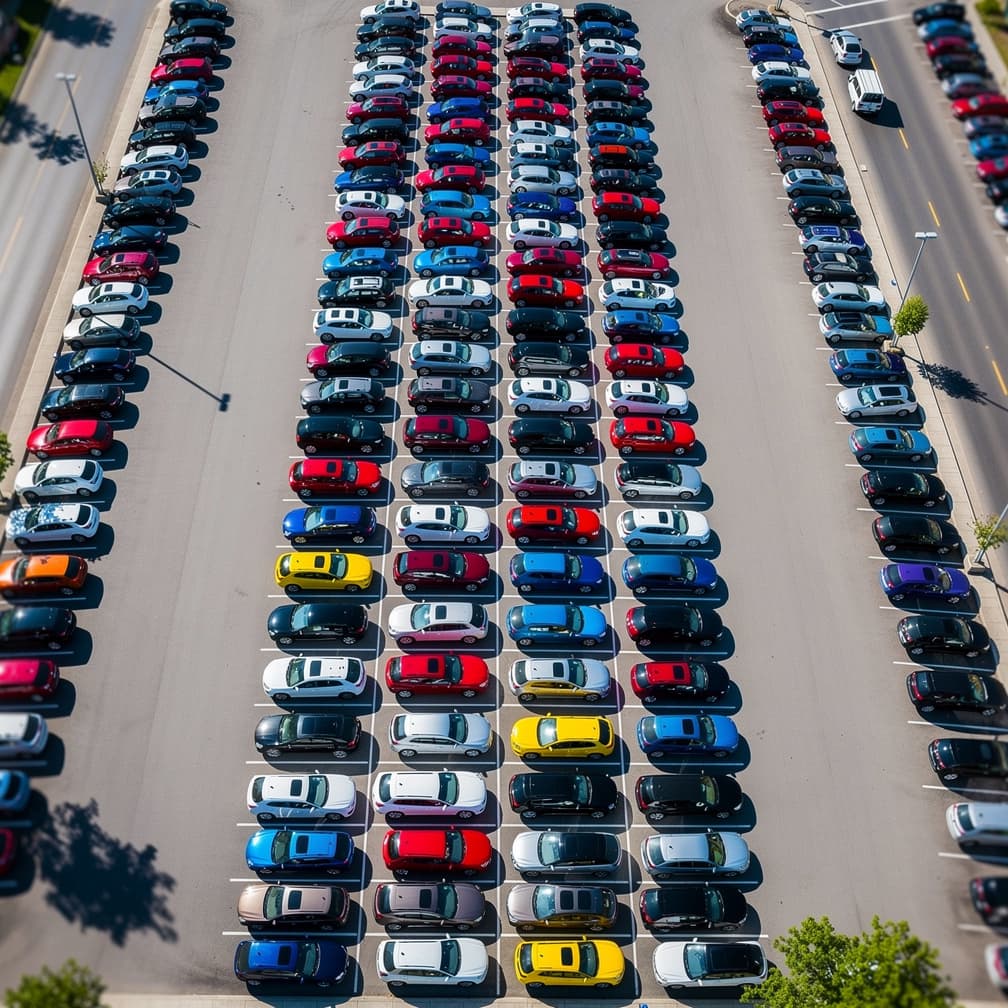
Norman sits inside the same broader Oklahoma weather pattern the state page already addresses, but the local buying decision is really about **concentration on limited space**. If your inventory is packed tightly on a compact lot, one incident can affect multiple units at once, so your limit review should focus on peak outdoor values rather than a rough monthly average. That matters even more if you rotate vehicles between front-line display, side parking, and overflow storage during the week. A policy review should test whether your reported locations, spacing assumptions, and peak counts still match current operations. If they do not, a claim can become harder to document and a deductible can feel larger than expected because several damaged units hit at once. Walk the property, map every place dealer inventory sits overnight, and compare that layout against the values you plan to insure.
Oklahoma has a very high climate risk rating. Top hazards: Tornado (Very High), Hailstorm (Very High), Severe Storm (Very High), Earthquake (Moderate). The state's expected annual loss from natural hazards is $2.4B, which influences dealer open lot insurance premiums and may affect coverage availability in high-risk areas.
What Dealer Open Lot Insurance Covers
In Oklahoma, the useful review is less about repeating the basic causes of loss and more about checking how the policy responds to the way your inventory is staged and handled. Many dealers keep sale units in more than one area, with front-line display spaces, overflow rows, service-adjacent parking, and occasional offsite storage. If your schedule, location descriptions, or reporting method do not match that setup, you can create avoidable disputes after a loss.
Start by looking closely at where covered vehicles are kept during business hours, overnight, and during severe weather alerts. If you rotate inventory between your main lot and another storage location, ask whether each location needs to be specifically shown and how temporary movement is treated. The same review matters if units are parked tightly for merchandising, spread out for customer access, or grouped by value.
You should also review how the policy treats vehicles during ordinary dealership handling. In practice, that means checking movement around the premises, transfers between nearby storage areas, and procedures around demonstrations or test drives if those exposures touch your inventory workflow. Oklahoma weather makes documentation especially important, because a storm loss can affect many units at once. A current inventory list, dated photos, key-control records, and a clear map of where vehicles are stored can make the difference between a straightforward claim and a long reconstruction exercise.
If you are comparing forms, endorsements, or claim handling language, keep your review grounded in Oklahoma-specific policy terms and filing standards rather than assuming another state form reads the same way.
Coverage Included

Weather Damage
Covers hail, wind, flood, and storm damage to lot inventory.
Theft Protection
Covers vehicles stolen from your lot.
Fire Damage
Covers fire and explosion damage to inventory vehicles.

Vandalism
Covers intentional damage to vehicles on your lot.
Test Drive Coverage
Covers vehicles during customer and employee test drives.
Transit Coverage
Covers vehicles being moved between lot locations.
Industries & Insurance Needs in Norman
Local demand is shaped by the county business base around Norman. Cleveland County has 6,142 business establishments, and the leading sectors by establishment share are health care and social assistance at 14.4%, retail trade at 12.8%, and professional, scientific, and technical services at 11.6%, so many buyers are commuting workers, service professionals, and households shopping for practical daily-use vehicles rather than purely discretionary inventory. That can change how a dealer here carries stock: more emphasis on dependable used units, faster turn expectations on affordable price bands, and regular trade-in flow that swells outdoor inventory before titles, photos, and recon are fully processed. For insurance, the point is operational, not demographic. If your mix changes quickly because local demand favors high-turn everyday vehicles, your dealer open lot review should be based on peak count and peak value periods, including trade-in spikes, not on a calm snapshot taken after weekend sales.
What Makes Norman Different
In a market where operating decisions can push you to use every available parking space, the real exposure is not simply how many vehicles you own but how much value is concentrated in a small outdoor area at one time. That affects both limits and deductibles, because a single event can hit several categories of vehicles at once when front-line inventory, recent trade-ins, and units waiting on recon share the same general footprint. It also affects documentation, since dealers who use side rows, back fencing, or informal overflow areas need those locations and counts to line up with how the policy is written and how inventory is tracked day to day. Start with your highest-value week of the year, then map where every unit sleeps overnight so your terms reflect that worst-case concentration instead of a broad annual average.
Our Recommendation for Norman
Begin by counting the most vehicles you have parked outside at one time during your busiest buying period. From there, separate front-line units from trade-ins and recon vehicles, then total the highest combined value you carry during those peak weeks. If you use any overflow area, document the address, fencing, lighting, and how often vehicles move in and out. Then test your deductible against a multi-unit loss, because a deductible that looks manageable on one damaged vehicle creates a much larger out-of-pocket cost if several units are affected in the same event. You should also confirm how inventory values are updated after auction purchases or sudden trade-in volume. If your layout, storage pattern, or peak count has shifted since the last renewal, ask for the policy structure to be reviewed before the next storm season or major buying cycle.
Get Dealer Open Lot Insurance in Norman
Enter your ZIP code to compare dealer open lot insurance rates from carriers in Norman, OK.
Business insurance starting at $25/mo
FAQ
Frequently Asked Questions
Norman buyers often work with limited outdoor space, so vehicles may be parked closer together than the application suggests. When units sit bumper to bumper, one hailstorm or fender bender can damage far more inventory than you accounted for. That is why your limit should track the worst night on your lot, not an average Tuesday.
Norman dealers should treat overflow parking as an underwriting issue, not an informal convenience. If vehicles regularly sit in a side yard, back row, or separate storage area, ask for that location and its use to be reviewed with the policy details.
Cleveland County has 6,142 business establishments. That many active employers means steady commuter demand for affordable, dependable vehicles, so your inventory may turn over faster than you expect during hiring surges or seasonal shifts. Your limit should reflect peak outdoor values during those busy trade-in and buying periods rather than a slow-season average.
Cleveland County's leading sectors are health care and social assistance at 14.4%, retail trade at 12.8%, and professional, scientific, and technical services at 11.6%. Those fields rely on shift workers and daily commuters who need reliable transportation, so trade-ins and affordable units may accumulate quickly on your lot. That turnover pattern can leave you with a different inventory profile mid-month than what your policy reflects.
Norman dealers should choose a deductible by stress-testing a multi-unit loss, not a single damaged vehicle. If several units are parked tightly together, one event can trigger a larger out-of-pocket cost than expected, especially during high-count inventory weeks.
Your policy may help cover vehicles you keep outdoors for sale, but the coverage depends on accurately listing storage locations, following reporting rules, and documenting inventory after a storm. That means reviewing policy terms for location scheduling, temporary movement, and post-storm documentation requirements, especially if your lot uses overflow space or frequent vehicle repositioning.
Yes. You should disclose every place sale units are regularly kept, including overflow and offsite storage. That helps the underwriter evaluate the real exposure and reduces the chance of a location dispute after a storm or theft claim.
Oklahoma lots often face fast-changing severe weather, so one event can affect many vehicles at once. That makes peak inventory values, row layout, drainage, and photo documentation important parts of the buying decision, not just operational details.
Sources
- 1.U.S. Census Bureau, ACS 5-Year Estimates, table B19013(Norman median household income is $65,060.)
- 2.U.S. Census Bureau, County Business Patterns, Cleveland County(Cleveland County has 6,142 business establishments.; Cleveland County's leading sectors by establishment share are health care and social assistance 14.4%, retail trade 12.8%, and professional, scientific, and technical services 11.6%.)
Updated July 16, 2026