







































Updated July 16, 2026

On-Hook Towing Insurance in Norman
Property managers, apartment operators, lenders, and commercial clients in Norman frequently need proof that a customer vehicle is protected while it is in your care. That is especially true before they let you work a private lot, handle repossession-related moves, or service a retail parking area after hours. Satisfying that request usually means showing limits that match the kinds of vehicles you actually tow, so a certificate that lists a round number without context can get your truck turned away from the lot. Your policy setup should fit private-property impounds, breakdown calls, and short local transports without vague descriptions that leave a property manager guessing whether you are covered for their situation.
On-Hook Towing Insurance Risk Factors in Norman
Norman's top risk factors include Tornado damage, Hail damage, Severe storm damage, and Wind damage.
Oklahoma has a very high climate risk rating. Top hazards: Tornado (Very High), Hailstorm (Very High), Severe Storm (Very High), Earthquake (Moderate). The state's expected annual loss from natural hazards is $2.4B, which influences on-hook towing insurance premiums and may affect coverage availability in high-risk areas.
What On-Hook Towing Insurance Covers
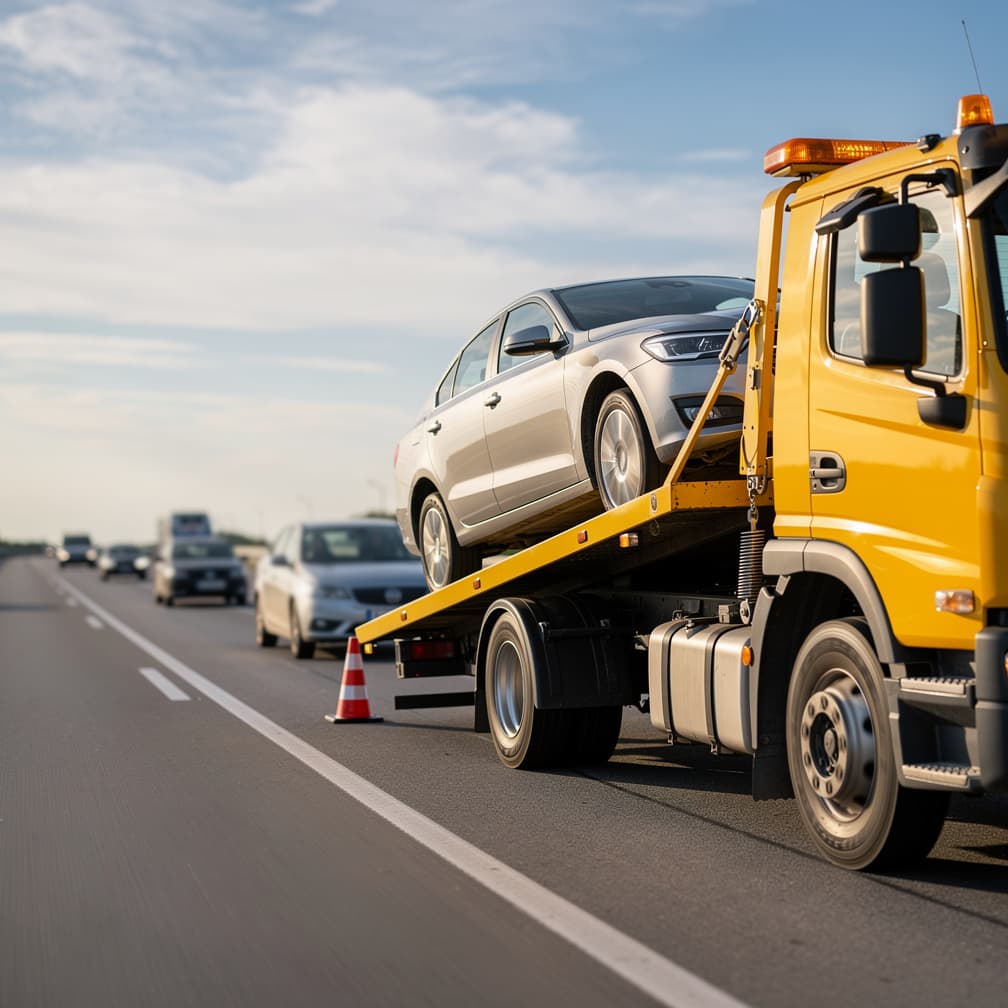
On-hook coverage can help pay for damage to a customer vehicle that happens while it is being handled by your truck during a tow. A wheel-lift call on a narrow shoulder, a flatbed load during heavy rain, a recovery after high wind, or a late-night impound from a crowded lot can all create different damage scenarios and different arguments about handling. Your policy terms and deductible selections shape how those damage claims are evaluated and what you pay out of pocket.
For many towing businesses in the state, the important coverage discussion starts with service mix. Your quote should separate those realities clearly enough that an underwriter can see what each truck is doing.
You should also review whether your contracts create stricter expectations than your policy language. Police rotation agreements, impound contracts, motor club work, and dealer relationships often require prompt certificates and clear evidence of the right coverage parts. If a customer vehicle is damaged and the paperwork around dispatch, photos, condition notes, or release forms is weak, the claim can become harder to defend. Ask for specimen forms and compare them against how your drivers document each pickup and drop-off.
Coverage Included
Collision on Hook
Covers damage to towed vehicles from collisions during transport.
Comprehensive on Hook
Covers theft, fire, and weather damage to vehicles being towed.
Loading & Unloading
Covers damage during the process of loading and unloading vehicles.
Winching Coverage
Covers damage to vehicles during winching and recovery operations.
Multiple Vehicle
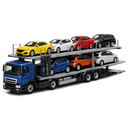
Covers all vehicles on multi-car carriers and rollback flatbeds.
What Makes Norman Different
Norman median household income is $65,060, which means many residents rely on a single vehicle to get to work and manage daily obligations. A damaged customer vehicle can quickly become a dispute over transportation, rental costs, and whether your operator documented the condition before hookup. If your work includes apartment complexes near campus, shopping corridors, or lender-directed recoveries, ask for a quote built around where vehicles are picked up, how they are inspected, and whether higher-value units ever enter your rotation.
Our Recommendation for Norman
A large share of your work can involve vehicles picked up from apartments, retail lots, medical offices, and other managed properties where the owner is not standing beside the truck when the hookup happens. Cleveland County has 6,142 business establishments, which means roughly one business for every 18 residents and a steady flow of lot-management calls for tow operators. Clear intake procedures, photo records, and on-hook limits that fit the vehicles you actually move become essential, not just a generic towing description. If part of your book comes from property managers or commercial accounts, review whether your quote distinguishes consensual towing from private-property and impound-related work.
Start your review with the jobs that create the least owner contact. If you regularly tow from apartment communities, retail centers, or lender-directed assignments, ask how the policy responds when a damage allegation starts with a vehicle that was unattended at pickup. Then line up your on-hook limit with the most expensive vehicle you are realistically willing to move, not the average car you see on a normal day. Cleveland County's leading sectors by establishment share are health care and social assistance at 14.4%, retail trade at 12.8%, and professional, scientific, and technical services at 11.6%. Those three fields alone account for nearly 39 percent of the county's business base, so a tow operator working account contracts here is far more likely to hook up in a clinic parking lot or retail strip than at a roadside breakdown. When you bring sample dispatch types, storage practices, and photos of your equipment to the quote conversation, you give the underwriter something concrete to price rather than a broad class description.
Get On-Hook Towing Insurance in Norman
Enter your ZIP code to compare on-hook towing insurance rates from carriers in Norman, OK.
Business insurance starting at $25/mo
FAQ
Frequently Asked Questions
Norman property managers, lenders, and commercial lot clients are common proof-of-coverage requesters because they want confirmation that a customer vehicle is addressed while your truck has it in tow. Make your certificate request process and clear vehicle-condition documentation part of your quote review.
Private-property towing changes the review because the vehicle owner often is not present at pickup, which can make pre-tow condition disputes harder. Request policy terms and limits that fit unattended pickups, relocations, and impound-related work.
With over 6,000 establishments across the county, account-driven towing is more common here than in many neighboring areas. That makes it worth reviewing whether your coverage matches those contracts and dispatch types rather than a generic roadside profile.
Towing tied to health care, retail, and office properties should be described by pickup type, owner presence, and vehicle mix. Nearly 39 percent of the county's establishments fall into those three sectors, so describing your account mix accurately can help the underwriter match terms to your real exposure.
Norman households have a median income of $65,060, and many residents depend on a single vehicle for commuting and household management. When that vehicle is damaged in tow, the owner's daily routine is disrupted immediately, which can turn a minor scrape into a formal demand within days.
If your drivers take physical custody of customer vehicles for towing or transport, on-hook coverage is the part of your policy that can help pay for damage to those vehicles while they are in your care. Without it, a damage claim during a tow may fall on your garagekeepers or general liability, which may not respond the same way.
Oklahoma operators should review storm-related dispatches carefully because severe weather can change loading conditions, visibility, and recovery difficulty. Ask how your policy terms, deductibles, and exclusions apply to the kinds of bad-weather calls your drivers actually accept.
Oklahoma submissions work better when they separate roadside towing, recovery, impounds, repossessions, and dealer transport instead of blending everything together. A clearer service description helps the underwriter match terms to your real dispatch pattern and may reduce avoidable coverage disputes.
Sources
- 1.U.S. Census Bureau, ACS 5-Year Estimates, table B19013(Norman median household income is $65,060, so a damaged customer vehicle can become a fast-moving dispute over transportation, rental costs, and whether your operator documented the vehicle condition before hookup.)
- 2.U.S. Census Bureau, County Business Patterns, Cleveland County(Cleveland County has 6,142 business establishments, so there are many parking lots, service locations, and commercial relationships where a tow operator may be asked to remove, relocate, or transport a vehicle under tight documentation expectations.; Cleveland County's leading sectors by establishment share are health care and social assistance at 14.4%, retail trade at 12.8%, and professional, scientific, and technical services at 11.6%, so local towing can involve employee lots, customer parking areas, and office properties where documentation standards are usually tighter than a roadside cash call.)
Updated July 16, 2026





