







































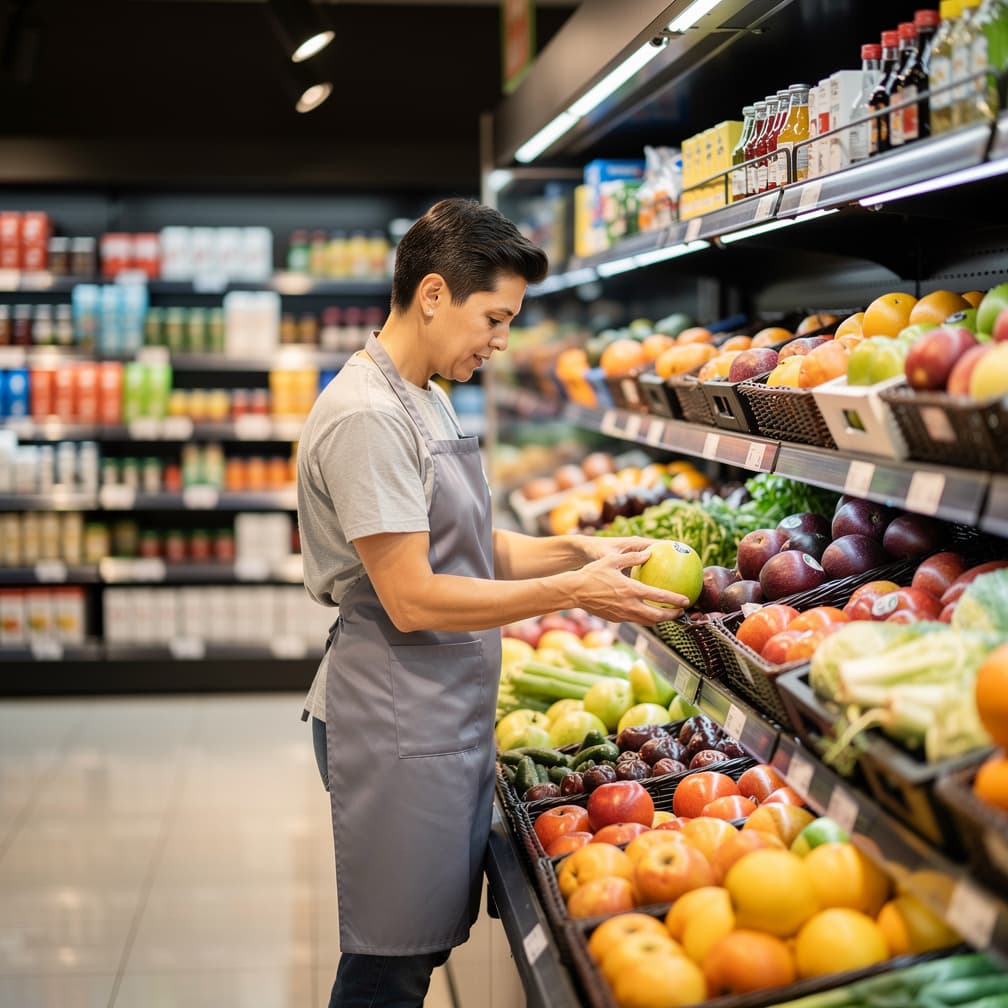

As a grocery store in Oklahoma City, you take delivery from vendors who back trucks to your door and walk stock through a room your staff uses all day. Injuries happen in that back room more quietly than they do on the sales floor, and they still land on your policy. A pallet jack, a wet dock, and a stacked case are enough to start one. Grocery store insurance in Oklahoma City has to account for the half of the building customers never see. Cold storage, the loading door, and the compressor room carry losses of their own. Ask how a quote treats employee injury against customer injury, because they sit on different lines with different rating bases. Knowing which one a given accident triggers is worth more than knowing the premium.
What Makes Oklahoma City Different
Deductibles are a financing decision most owners make in ninety seconds and then live with for a year. A store with cash in reserve can carry a high retention and pocket the difference every single month. A store running tight cannot, because the retention arrives on the worst possible morning of the year. Spoilage claims come with their own deductible logic, sometimes a waiting period measured in hours instead of dollars. Ask how many hours pass before a breakdown loss counts at all, because a short outage may sit on you. Limits, retentions, and waiting periods together decide what a policy is worth on a genuinely bad day. Price is what you pay for that structure, and the structure is what you have actually bought. Compare the structures across participating carriers in Oklahoma before you compare what an Oklahoma City store pays.
Local Risk Factors in Oklahoma City
Tornado damage is not gradual: a roof section leaves, the ceiling drops onto the aisles below, and the store becomes a debris field with refrigerated stock underneath it. Even a near miss can pull the power for a day and take the cooler bank along with it. Commercial Property is generally the line that looks at the building, the fixtures, and the stock, though the stock is only picked up where the cause of loss is one the form accepts. Debris removal usually carries its own sublimit, and it is smaller than owners expect once a roof is lying on the floor. Ask what an Oklahoma City quote sets for debris removal and for spoiled stock separately, since they are separate numbers. Ask what participating carriers in Oklahoma want photographed before they bind anything.
What Coverage Does a Grocery Store in Oklahoma City Need?
General Liability
A shopper goes down in a wet aisle and the store hears about it from a lawyer six weeks later. That is the claim General Liability is generally built for: third-party injury on your floor, damage you cause to someone else's property, and the defense costs arriving with either. It typically excludes injuries to your own staff, which sit with Workers' Compensation instead.
Example: A stack of cans shifts as a customer reaches for the bottom one, and a case lands on her foot. The medical bills and the demand that follows could fall to this line, subject to the limit.
Commercial Property
Coolers, shelving, registers, the fit-out, and the stock sitting on it are what this line puts a value on. A landlord may require it, and a lender holding a note on the building has its own reasons to ask. Commercial Property can help cover fire, storm damage, vandalism, and theft after a break-in, and it typically excludes flood and ordinary shoplifting, which sit outside the form entirely.
Example: A break-in takes the door, the till, and two shelves of stock in a single night. Repairing the frame and replacing the merchandise might be picked up here, once the deductible is gone.
Workers Compensation
Cashiers, stockers, and deli staff get hurt in ways customers never do: knives, pallet jacks, and lifting the same case four hundred times. Workers' Compensation is meant to answer for medical costs and lost wages after a work injury, and it is rated on payroll rather than on sales. Whether you must carry it depends on your state and your headcount.
Example: A stocker slips on a wet dock while pulling a pallet off a truck and tears a shoulder. Treatment and the wages lost while he heals may be handled here, depending on the claim.
Business Owners Policy
Buying property and liability as one package often prices better than buying them apart, and a Business Owners Policy is that package for a smaller store. It commonly bundles the building or fit-out, the stock, and third-party injury under a single form, sometimes with business interruption inside. Eligibility is the catch: revenue, size, and deli operations can push a store out of the class.
Example: A grease fire in the deli shuts an Oklahoma City store for two weeks. The repairs, the ruined stock, and the income lost while the doors stay closed could all sit under this one form.
Commercial Umbrella
When a shopper's fall turns into a demand with seven figures on it, the primary limit runs out and the rest keeps coming. Commercial Umbrella sits above General Liability and adds limit once the underlying one is exhausted. It follows the underlying form, so a claim excluded below is generally excluded above as well, and it is priced off the limits you already carry.
Example: An elderly customer falls near the checkout and the head injury changes her life. Once the primary limit is spent, an excess layer might carry what is left of the settlement.
How Much Does Grocery Store Insurance Cost in Oklahoma City?
Grocery Store Insurance is a bundle of separate policies, priced separately. The ranges below are typical figures for Oklahoma City for each line, except workers compensation, which is rated per $100 of payroll; a quote prices each one against your own operations.
| Coverage | Typical range | What moves your price |
|---|---|---|
| General Liability Insurance | $75 - $240 per month | Industry and risk classification, annual revenue, number of employees |
| Commercial Property Insurance | $120 - $500 per month | Building value and construction type, roof age and condition, fire protection class |
| Workers Compensation Insurance | $0.75 - $2.74 per $100 of payroll | Employee classification codes, total annual payroll, experience modification rate |
| Business Owners Policy Insurance | $120 - $370 per month | Annual revenue and industry class, building and contents values, square footage and building age |
| Commercial Umbrella Insurance | $65 - $200 per month | Umbrella limit requested, limits carried on the underlying policies, loss history on those underlying policies |
Prices shown are general estimates, not guaranteed rates or quotes. Your actual premium will depend on the insurer, coverage selected, business details, location, claims history, and other underwriting factors. Learn about our pricing methodology.
What Are the Insurance Requirements for a Grocery Store in Oklahoma City?
Workers' comp is generally required once you have your first employee. Oklahoma generally requires employers to carry workers' compensation at that point. Common exemptions include sole proprietors, partners, and members of LLCs. Confirm current thresholds with your state's workers' compensation agency before you hire.
Where to verify licensing and coverage rules. The Oklahoma Insurance Department publishes consumer guidance and current insurance requirements for Oklahoma businesses. When a contract or lease demands specific wording, the Oklahoma Insurance Department's guidance is the authoritative place to check.
Get Your Grocery Store Quote in Oklahoma City
Compare rates from multiple carriers. Free quotes, no obligation.
Operating in Oklahoma City
- Shrink gets counted twice a year and felt every week, and almost none of it is insurable. A break-in that pries a door is a claim; merchandise walking out at noon is a cost of trading.
- Your landlord in Oklahoma City may want the certificate to name an entity that is not the one on your rent invoice, and it has to match the lease exactly rather than approximately.
- Storm weeks stop the delivery truck long before they touch your roof. Empty shelves cost an Oklahoma City store a week of sales with nothing broken at its own address to show an adjuster.
- A slip claim in Oklahoma County can be investigated by an adjuster who covers every kind of business in the area, and the wait for that visit is time your aisle stays roped off.
How to Buy: Advice for Oklahoma City Owners
Order your loss runs before you shop anything. Five years of claim history is the first thing an underwriter reads, and you should have read it first. A wet-floor claim you forgot about is still on the record, and a surprise in the file costs you both credibility and money. If the run shows frequency, bring the fix along with it: a mat schedule, a spill log, a camera upgrade that actually happened. Underwriters price what they can see documented and discount nothing they have to take on faith. General Liability and Commercial Property both get repriced on that history. Check the Oklahoma Insurance Department's guidance before deciding how far back to pull records. Then hand the same corrected story to every participating carrier in Oklahoma, so nobody is pricing a version of your store that stopped existing two years ago.
FAQ
Grocery Store Insurance in Oklahoma City: FAQ
Generally each claim carries its own retention, and the property and liability sides can carry different ones. Spoilage and equipment breakdown wording sometimes uses a waiting period instead: nothing counts until an outage has run a set number of hours. That detail decides whether a short failure is a claim or just a lesson. Ask for the retention and the waiting period on the quote itself, in writing, rather than as a description.
More open hours mean more exposure hours: more people in the aisles, more carts moving, more chances for something to end up on the floor. Underwriters read hours as a rating driver, along with how many staff work them. Late trading can also change how a carrier views theft and the security you keep. If your Oklahoma City store extended its hours after the policy was written, say so now rather than at the claim.
Most commercial policies are estimated at binding and trued up afterward, so a year that lands below the estimate can produce a return premium rather than a bill. The reverse holds as well, and a store that grew quietly during the term should expect the correction to go the other way. Keep sales and payroll records in a form somebody else can follow. An audit you can document is an audit that ends quickly.
Before, in practice. The insurance exhibit becomes your obligation the moment you sign, and an endorsement nobody can actually issue is now your problem rather than the landlord's. Read the limits and the entity names first, then ask whether participating carriers in Oklahoma can produce that exact wording. A store in Oklahoma City that finds a wording problem after signing is negotiating from a much worse position than it needed to.
Landlords and many permit offices ask for proof of it before the doors open, so in practice the answer is usually yes. General Liability is the line that typically responds when a shopper slips in a wet aisle or a case falls off a shelf. It generally handles defense costs as well as any settlement, which matters because a lawyer's letter starts costing money long before fault is decided. Requirements differ, so read your lease first.
Several inputs, not one. Annual sales and foot traffic push the liability side. Payroll sets the workers compensation basis. The replacement value of coolers, shelving, and registers drives the property side. Claims history moves all of it, and an open claim moves it hardest. Hours and whether you run a deli counter matter too. That is why two stores on one street in Oklahoma City can be quoted very differently and both numbers can be honest.
Sources
- 1.Oklahoma Insurance Department(Oklahoma Insurance Department publishes consumer guidance for insurance buyers.)


