







































Updated July 5, 2026

Commercial Truck Insurance in Oklahoma City
A box truck clips a loading dock on a tight delivery schedule, then a fast-moving storm turns a minor repair into a longer downtime claim. That is the kind of day commercial truck insurance in Oklahoma City needs to be built around: frequent stops, mixed urban and suburban routes, and equipment that sits exposed between jobs. Here, a lot of trucking work is tied to local business density rather than long uninterrupted highway runs. Oklahoma County has 24,665 business establishments, so many operators are making repeated pickups, deliveries, service calls, or supply runs where backing, parking-lot contact, and schedule pressure matter as much as linehaul mileage. That changes what you should review on a quote. Look closely at liability limits, physical damage deductibles, hired and non-owned auto if staff use personal vehicles, and downtime planning if a truck is sidelined after a weather event or yard loss. If your routes support medical offices, retail locations, or professional tenants, ask for a quote built around stop frequency, garaging, trailer use, and who loads the vehicle, not just radius and unit count.
Commercial Truck Insurance Risk Factors in Oklahoma City
Weather exposure is the local risk factor that changes the buying decision here. Oklahoma’s leading natural hazards are a real backdrop for any truck parked outside overnight, staged in an open yard, or left at a job site between runs. For a local fleet, that means **physical damage** is not just about collision. It is also about what happens when wind or hail hits cabs, trailers, glass, roof panels, and parked units that are not moving when the loss occurs. The practical review is straightforward: match deductibles to what your cash flow can absorb, confirm stated amount or actual cash value treatment on older units, and check whether attached equipment is scheduled correctly. If you rotate vehicles in and out of service, keep values current before renewal. A lower premium can cost more later if the truck that takes the weather hit is the one your schedule depends on most.
Oklahoma has a very high climate risk rating. Top hazards: Tornado (Very High), Hailstorm (Very High), Severe Storm (Very High), Earthquake (Moderate). The state's expected annual loss from natural hazards is $2.4B, which influences commercial truck insurance premiums and may affect coverage availability in high-risk areas.
What Commercial Truck Insurance Covers
In Oklahoma, the useful coverage conversation usually starts with the gaps between a plated truck, a financed truck, and a truck that is actively under dispatch. Your policy review should separate what can help protect you for injury or property damage you cause to others, what may apply to damage to your own truck, and what may be needed because of the way you haul, park, or swap equipment during the week.
For many operators, liability is only the first checkpoint. Oklahoma's auto liability minimum is $25,000/$50,000/$25,000. That means if you injure one person in a crash, a $30,000 hospital bill leaves you personally responsible for the $5,000 your policy does not pay. A serious crash can run through those limits fast, leaving your business exposed to the remaining damages. If a shipper, broker, or terminal agreement expects higher limits, ask for those requirements to be reviewed early so the quote is built around the work you actually accept.
Physical damage deserves the same operational review. A truck parked outside, financed through a lender, or running through hail, wind, and storm-prone conditions can create a very different deductible discussion than a unit stored indoors and used on a tighter schedule. If you pull non-owned trailers, trailer interchange may need to be reviewed separately from your truck's own damage coverage. If you haul goods for others, cargo terms should be checked against the commodities you move, where losses are most likely to happen, and whether theft, spoilage, or load-specific exclusions matter to your operation.
The practical next step is to map each truck to its use. That means primary radius, commodity, trailer arrangement, garaging location, and whether the unit ever operates without a trailer or outside dispatch.
Coverage Included

Motor Carrier Liability
Can help cover injuries and property damage your truck causes to others, a coverage federal regulators require most for-hire carriers to maintain.
Physical Damage
Can help pay to repair or replace your own truck after an accident, fire, theft, or vandalism.
Cargo Coverage
May pay for damage to or theft of the freight you are hauling while it is in your care.
Trailer Interchange
Can help cover damage to trailers you haul under an interchange agreement but do not own.
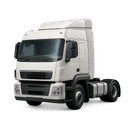
Bobtail Coverage
May provide liability protection when you drive your tractor without a trailer attached, such as after dropping off a load.

Non-Trucking Liability
Can help cover accidents that happen when you use your truck for personal errands rather than dispatched work.
Commercial Truck Insurance Cost in Oklahoma City
Average Cost in Oklahoma
$480 - $1,275
per month
Businesses in Oklahoma typically see commercial truck insurance premiums of $480 - $1,275 per month, which tends to run 15% above the national range of $400 - $1,125 per month.
- Radius of operation
- Commodities hauled and cargo value
- Number and value of power units
- Driver motor vehicle records and CDL experience
- DOT safety record, inspections, and FMCSA scores
- Liability limits and physical damage deductibles
Contact CPK Insurance for a personalized quote.
Prices shown are general estimates, not guaranteed rates or quotes. Your actual premium will depend on the insurer, coverage selected, business details, location, claims history, and other underwriting factors. Learn about our pricing methodology.
Cost in Oklahoma usually turns on exposure details, not a single statewide price. Your premium may depend on the truck type, driving radius, driver history, garaging setup, requested limits, deductibles, cargo profile, and whether the unit is owner-operated or part of a fleet. Your quote request should be built around the exact way each truck is used.
A local box truck with a short radius and predictable parking may rate very differently from a tractor that crosses state lines, changes trailers, or carries higher-value freight. The same is true if one unit is financed, another is owned outright, and a third is only used seasonally. Deductible choices also matter. A higher deductible can reduce premium, but only if your business can absorb that out-of-pocket cost after a storm loss, collision, or theft claim.
Driver mix is another major pricing lever. If you add inexperienced drivers, have recent violations, or rotate operators between units, ask for those details to be reviewed up front instead of corrected later in the process. Misstated mileage, garaging, or business use can create problems later if a claim file shows the truck operates differently than the application suggested.
To get a quote you can actually use, prepare the VINs, unit values, driver license information, years of experience, loss runs if available, and a clear description of commodities, territory, and trailer ownership. That gives you a cleaner comparison between options instead of a low initial number that changes once underwriting sees the full picture.
Industries & Insurance Needs in Oklahoma City
Service density is the local business pattern that can change truck exposure here. The leading sectors by establishment share are health care and social assistance at 13.1%, professional, scientific, and technical services at 13%, and retail trade at 12.1%. So a lot of truck use around the city is tied to recurring deliveries, supply replenishment, equipment moves, and service calls to customer locations with limited parking and tighter access. That usually means more low-speed maneuvering, more backing, and more time spent on premises where a property damage claim can start before the cargo door even opens. If that matches your operation, ask your agent to rate the policy around stop count, vehicle type, garaging, and driver routines. A quote built only around annual mileage can miss the exposures that actually produce claims on dense local routes.
What Makes Oklahoma City Different
Stop frequency is what changes the calculus here. In many markets, truck insurance decisions lean heavily on long-haul distance and interstate exposure. Around Oklahoma City, a lot of operators are instead running short, repeated trips to businesses, clinics, retail sites, offices, and mixed-use properties across the county. That creates a different claim pattern. You are more likely to care about backing losses, side-swipe damage in lots or alleys, loading and unloading responsibility, and whether one disabled unit disrupts several customer commitments in the same day. The county’s business base is broad enough that many trucks are working as part of a service operation, not just a freight operation. That is why the better buying move is to map how each unit is used: dedicated delivery, tools and materials, refrigerated product, or mixed service work. Then line up liability, physical damage, cargo, and any endorsements with that actual use before you compare quotes.
Our Recommendation for Oklahoma City
Start with a unit-by-unit review instead of treating the whole fleet as one exposure. If one truck handles retail deliveries, another carries tools to client sites, and a third is a spare, the same deductible and coverage structure may not fit all of them. Ask how garaging address, overnight parking, driver assignment, and radius are being classified, because small rating assumptions can change both premium and claim handling later. If your customers expect certificates before work starts, keep named insured details and vehicle schedules clean so documents can be issued without delays. Oklahoma City median household income is $66,702, so many local operators are balancing premium against cash flow and cannot easily absorb a major out-of-pocket repair after a storm or yard loss. That makes deductible selection a practical business decision, not just a price lever. Before binding, review exclusions, towing and rental reimbursement options, and whether your policy setup still works if you add a driver or replace a truck mid-term.
Get Commercial Truck Insurance in Oklahoma City
Enter your ZIP code to compare commercial truck insurance rates from carriers in Oklahoma City, OK.
Business insurance starting at $25/mo
FAQ
Frequently Asked Questions
Oklahoma City operators should review how the quote treats stop frequency, backing exposure, garaging, and who loads the vehicle. Repeated short trips can drive claims differently than a route built mostly around highway miles, so annual mileage alone may not tell the whole story.
Oklahoma City weather can change the deductible and valuation discussion because Oklahoma’s leading natural hazards affect parked units as well as trucks on the road. Review glass, body damage, attached equipment, and whether older vehicles are insured at values you could actually live with after a loss.
Oklahoma County business density matters because a large business base creates more delivery points, tighter parking situations, and more customer-premises exposure. That is a reason to check liability limits, loading and unloading responsibility, and whether your policy matches service work as well as freight movement.
Oklahoma City routes often support the county’s largest establishment groups, health care and social assistance at 13.1%, professional services at 13%, and retail trade at 12.1%. If you serve those accounts, ask for a quote that reflects recurring stops and property access constraints.
Oklahoma City owner-operators should choose a deductible they can absorb without disrupting payroll, repairs, or replacement plans. With median household income at $66,702, many small operators need to protect cash flow first, then compare premium savings against realistic out-of-pocket risk.
Oklahoma sets a basic auto liability minimum of $25,000/$50,000/$25,000, but a working truck often faces contract requirements and loss severity that go beyond that baseline. Review your limits against the loads you haul, the equipment you use, and any certificates you must provide.
Oklahoma operators often focus on premium first, but storm exposure can make deductible selection just as important. If your truck is parked outdoors or financed, review physical damage terms, unit value, and what out-of-pocket amount your business can handle after a covered loss.
Oklahoma owner-operators usually get a cleaner quote by bringing the truck VIN, stated value, garaging address, driver information, prior coverage details, and any lease or dispatch requirements. That helps the quote reflect how the tractor actually runs instead of relying on broad assumptions.
Sources
- 1.U.S. Census Bureau, County Business Patterns, Oklahoma County(Oklahoma County has 24,665 business establishments, so many operators are making repeated pickups, deliveries, service calls, or supply runs where backing, parking-lot contact, and schedule pressure matter as much as linehaul mileage.; The leading sectors by establishment share are health care and social assistance at 13.1%, professional, scientific, and technical services at 13%, and retail trade at 12.1%, so a lot of truck use around the city is tied to recurring deliveries, supply replenishment, equipment moves, and service calls to customer locations with limited parking and tighter access.)
- 2.U.S. Census Bureau, ACS 5-Year Estimates, table B19013(Oklahoma City median household income is $66,702, so many local operators are balancing premium against cash flow and cannot easily absorb a major out-of-pocket repair after a storm or yard loss.)
Updated July 5, 2026





